Textbooks often feature protests by white college students, ignoring the central role of African Americans in the South and of soldiers who published anti-war newspapers, joined marches, burned medals, and hosted informational coffeehouses.
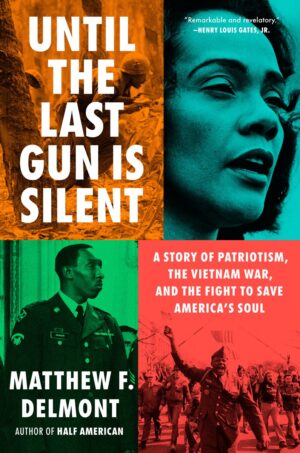
These are some of the stories Matt Delmont addresses in his new book, Until the Last Gun Is Silent, on the Vietnam War and the anti-war movement with a focus on African Americans.
What was the impact of veterans bravely speaking the truth about what they were asked to do in the name of the United States?
How did Vietnam’s struggle for independence from French colonial rule evolve into a U.S. Cold War intervention, and how was dissent at home often criminalized and stigmatized through McCarthyism and accusations of disloyalty?
Martin Luther King Jr. acknowledged that Coretta often educated him politically and morally. What was her stance on the war?
ASL interpretation and professional development certificates are provided.
We offer lessons, films, and this day in people’s history entries to teach about the Vietnam War and the anti-war movement.
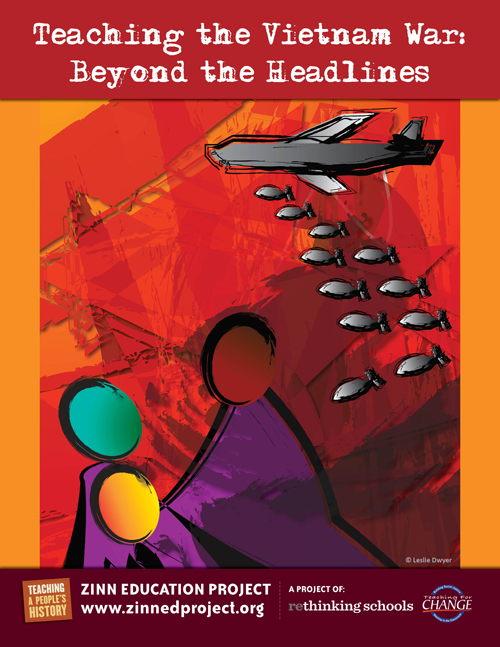
Teaching the Vietnam War Beyond the Headlines
The best part of the Teaching the Vietnam War lessons is at the end when students are challenged to think about how they too can advocate for social justice and add their voice to a cause worth fighting. — Chris Peterson, High School Social Studies Teacher, Minneapolis, Minnesota
In this collection of eight lessons, students learn about the roles of presidents, generals, journalists, whistleblowers, and grassroots activists in the Vietnam War. The Zinn Education Project prepared this guide for secondary schools as a companion to the award-winning film, The Most Dangerous Man in America: Daniel Ellsberg and the Pentagon Papers.
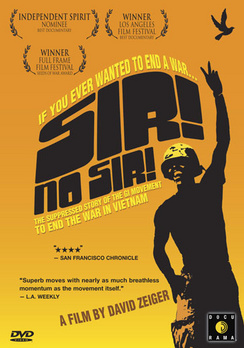
Sir! No Sir! is the most effective resource for showing the leadership role that defiant soldiers and veterans played in the anti-Vietnam war movement.
Even though it focuses on soldiers who resisted the war rather than the entire anti-war movement, it captures the ethos of the movement. This is a remarkable, classroom-friendly film that we highly recommend.
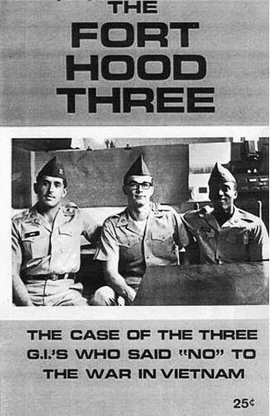
We have made our decision. We will not be a part of this unjust, immoral, and illegal war . . . .
We want no part of a war of extermination. We oppose the criminal waste of American lives and resources. We refuse to go to Vietnam!
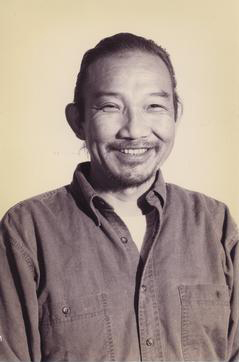
On April 26, 1968, Kiyoshi Kuromiya held a demonstration against the use of napalm in Vietnam by announcing that a dog would be burned alive with napalm in front of the university library. Thousands turned up to protest, only to be handed a leaflet reading:
Congratulations on your anti-napalm protest. You saved the life of a dog. Now, how about saving the lives of tens of thousands of people in Vietnam.
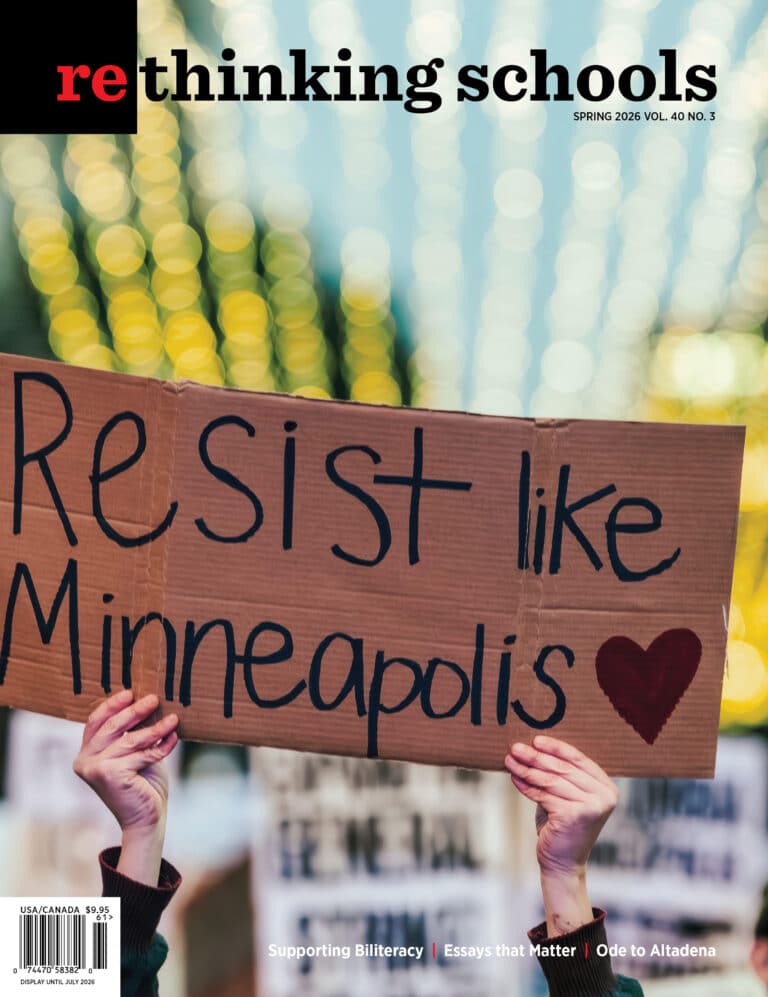
The spring 2026 issue of Rethinking Schools focuses on teacher organizing in Minneapolisthat sparked resistance to ICE’s Operation Metro Surge. Read firsthand accounts from local residents and insights from journalist Sarah Jaffe on social justice unionism in the Twin Cities.
Also inside: Linda Christensen on helping students write “unbound” essays, a Columbus trial unit, reflections on Dual Language & biliteracy, guides to children’s books on the autism spectrum, and more.
Rethinking Schools co-coordinates the Zinn Education Project and is the source for many of the lessons and articles on the site. Subscribe to the magazinefor new content quarterly.
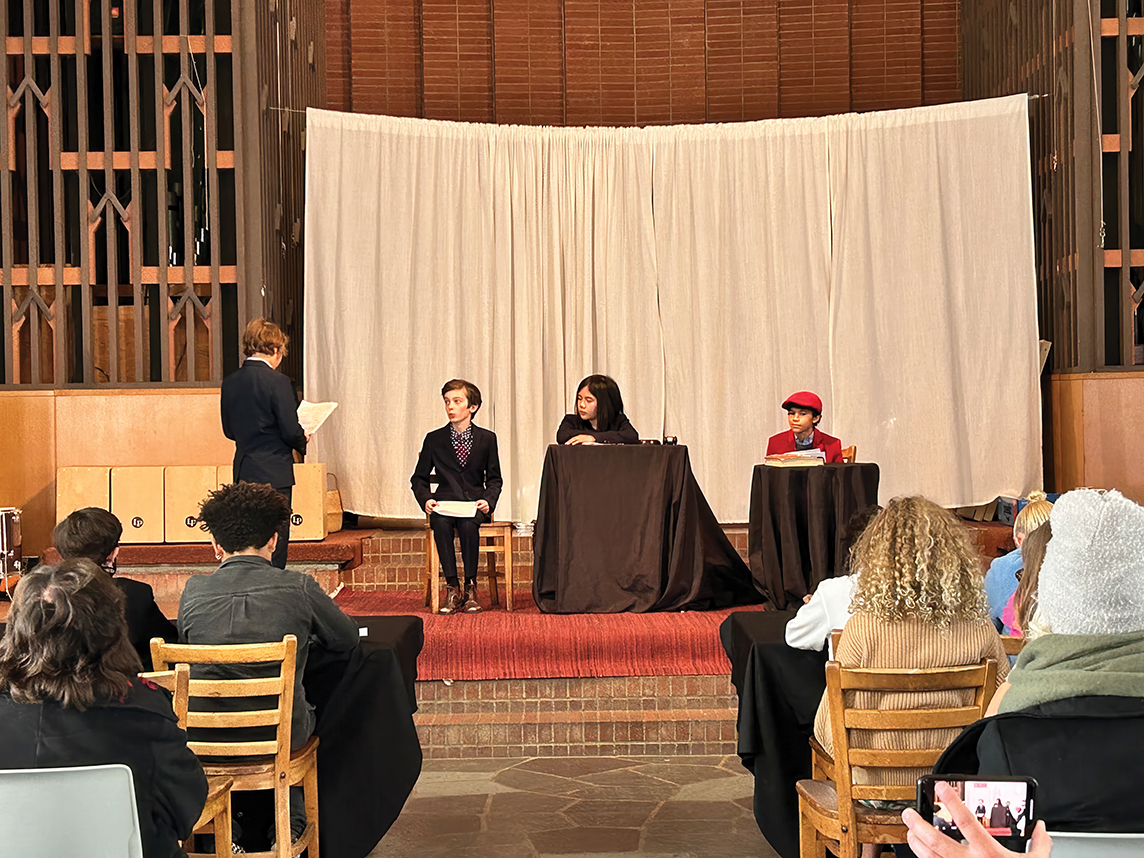
In the article “Rethinking Columbus to Help Students Find Their Voice in an Age of Villains,” 5th-grade teacher Kealy Jaynes describes how she adapted Bill Bigelow’s People vs. Columbus, et al.,lesson to help her students explore issues of colonialism and complicity.
Through a mock trial examining shared responsibility for the genocide of the Taíno people, students study systems of power, build argumentation skills, and consider how ordinary people can either uphold — or challenge — injustice. The lesson is timely as the White House champions Columbus as a hero, even installing his statue on its grounds.
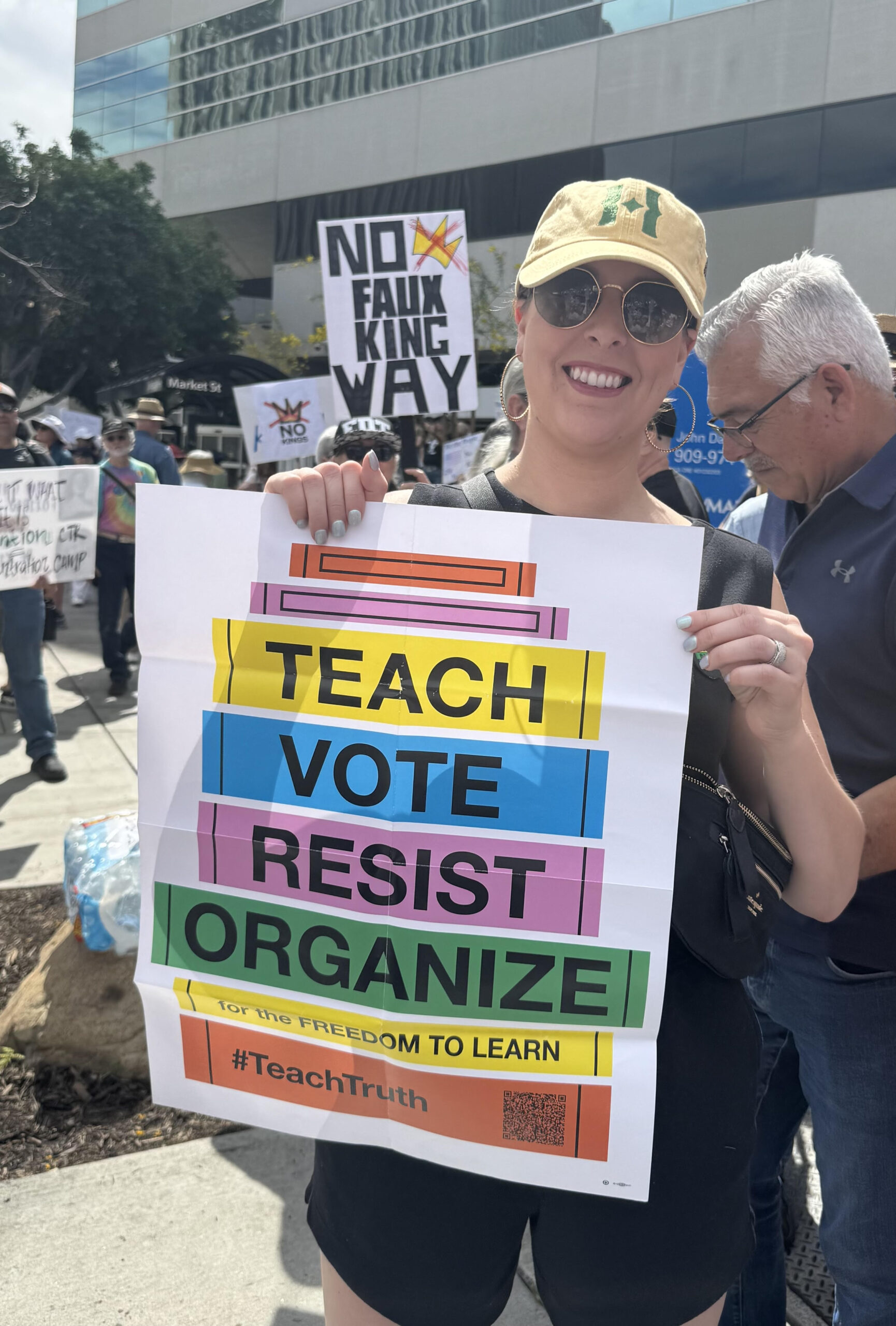
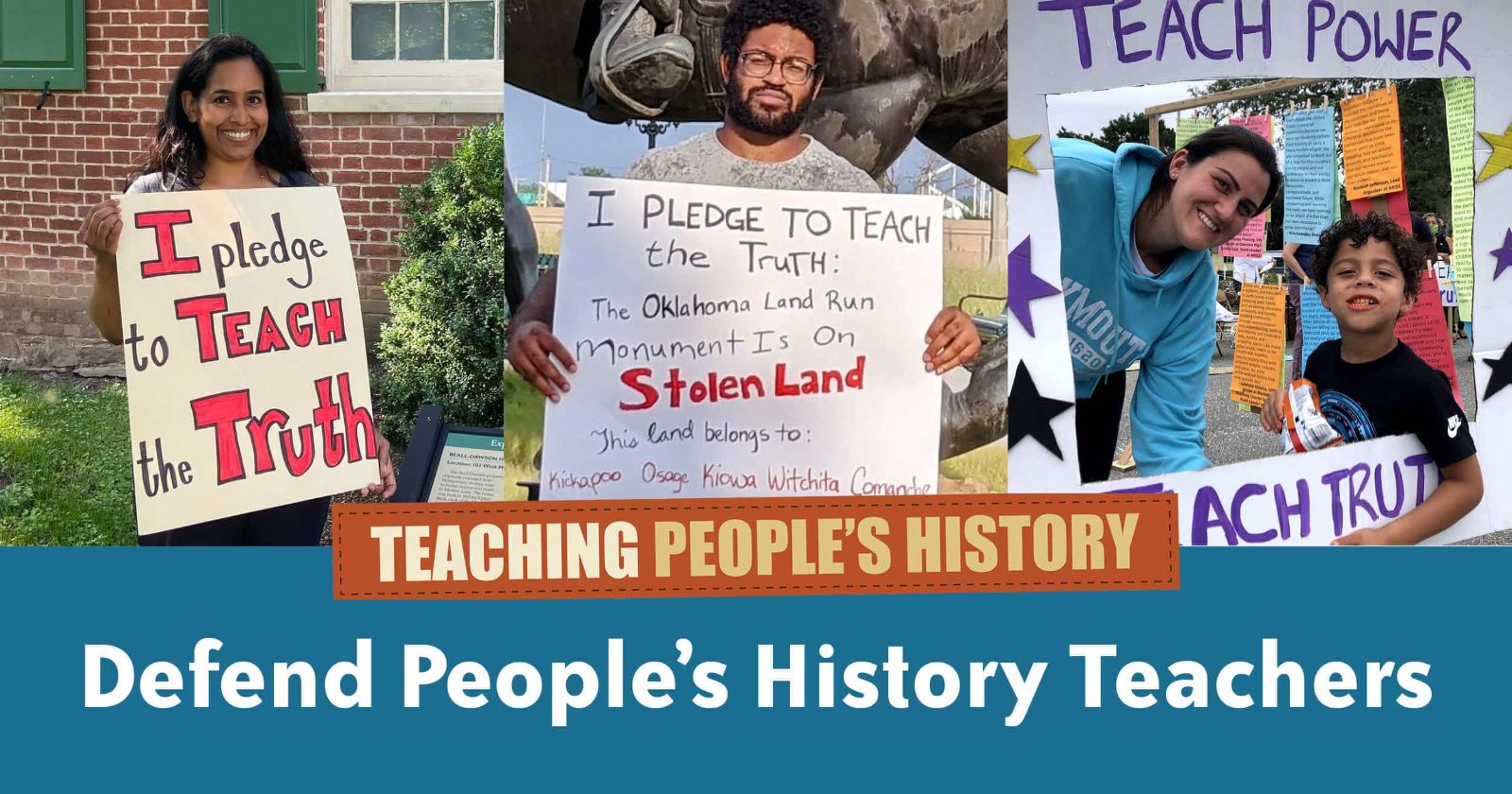
On top of bringing people′s history lessons to their students every day — teachers also showed up at #NoKings rallies to defend the right to teach truthfully.
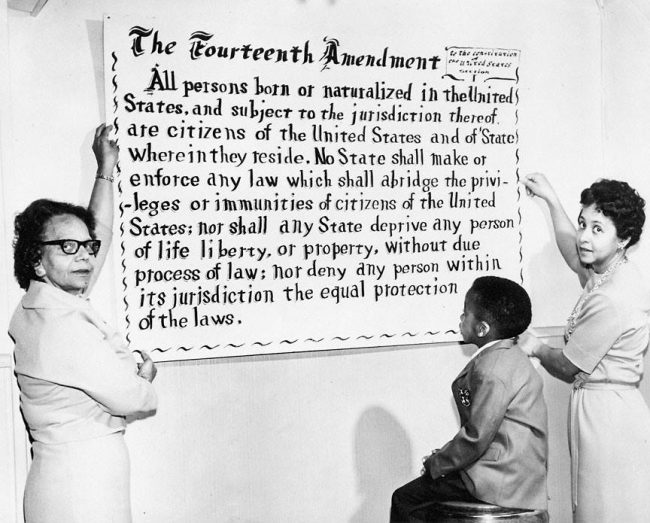
The brief is a great text for students studying the Reconstruction-era 14th Amendment.
Jones and Masur call the administration’s “historical” account “worse than middling” and provide the narrative and case law to back up their claim.
Events
Check out these events hosted by the Zinn Education Project and our colleagues. Online unless noted otherwise.
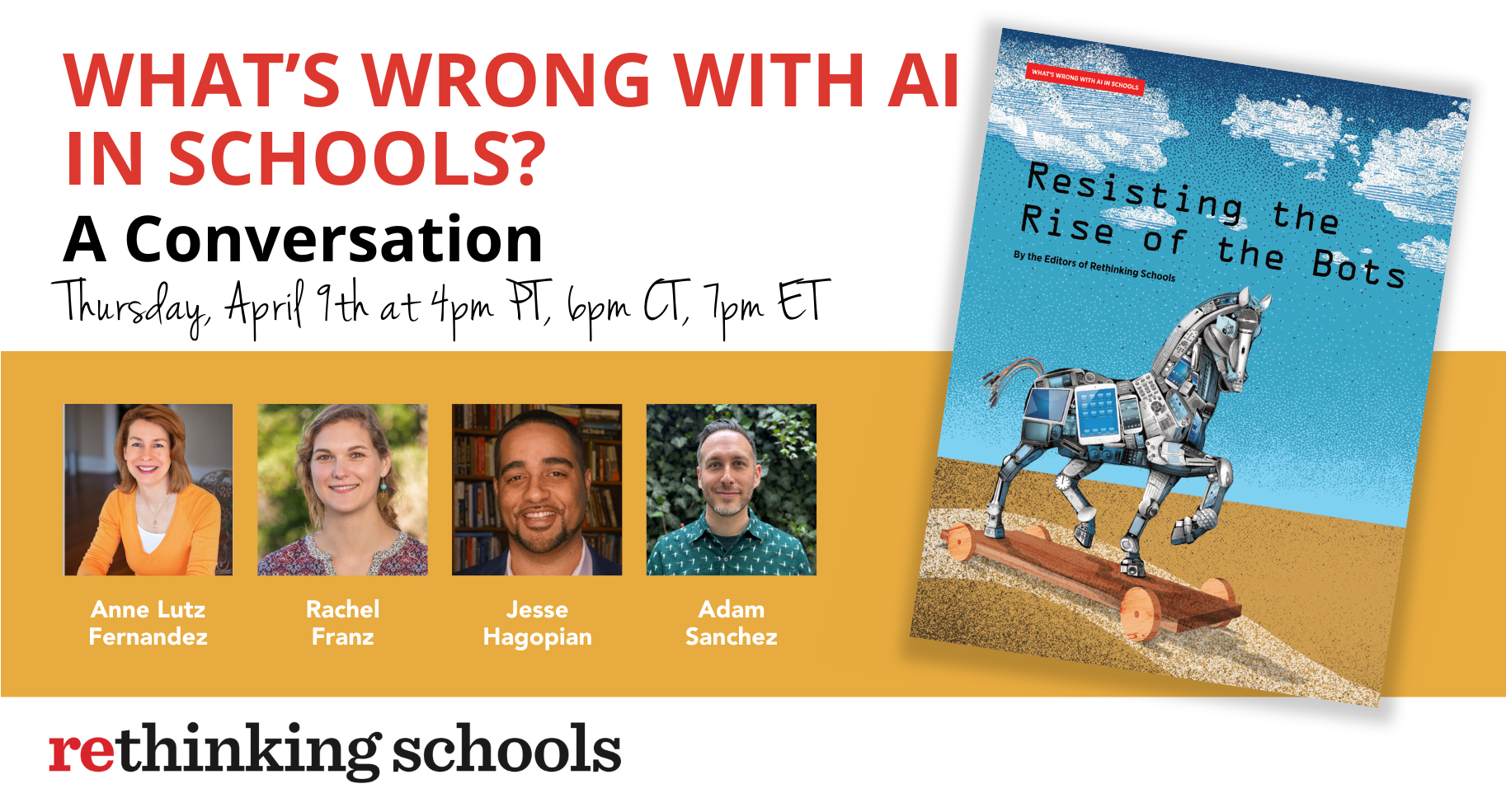
In the next decade, the AI education market is projected to top $112 billion — more than double the federal K–12 budget. Tech executives, administrators, and some union leaders are pushing AI for lesson planning, feedback, and “ethical” use.
On Thursday, April 9, join Rethinking Schools contributors and editors in conversation about what’s wrong with AI in schools and how we can teach and organize for human-centered learning.
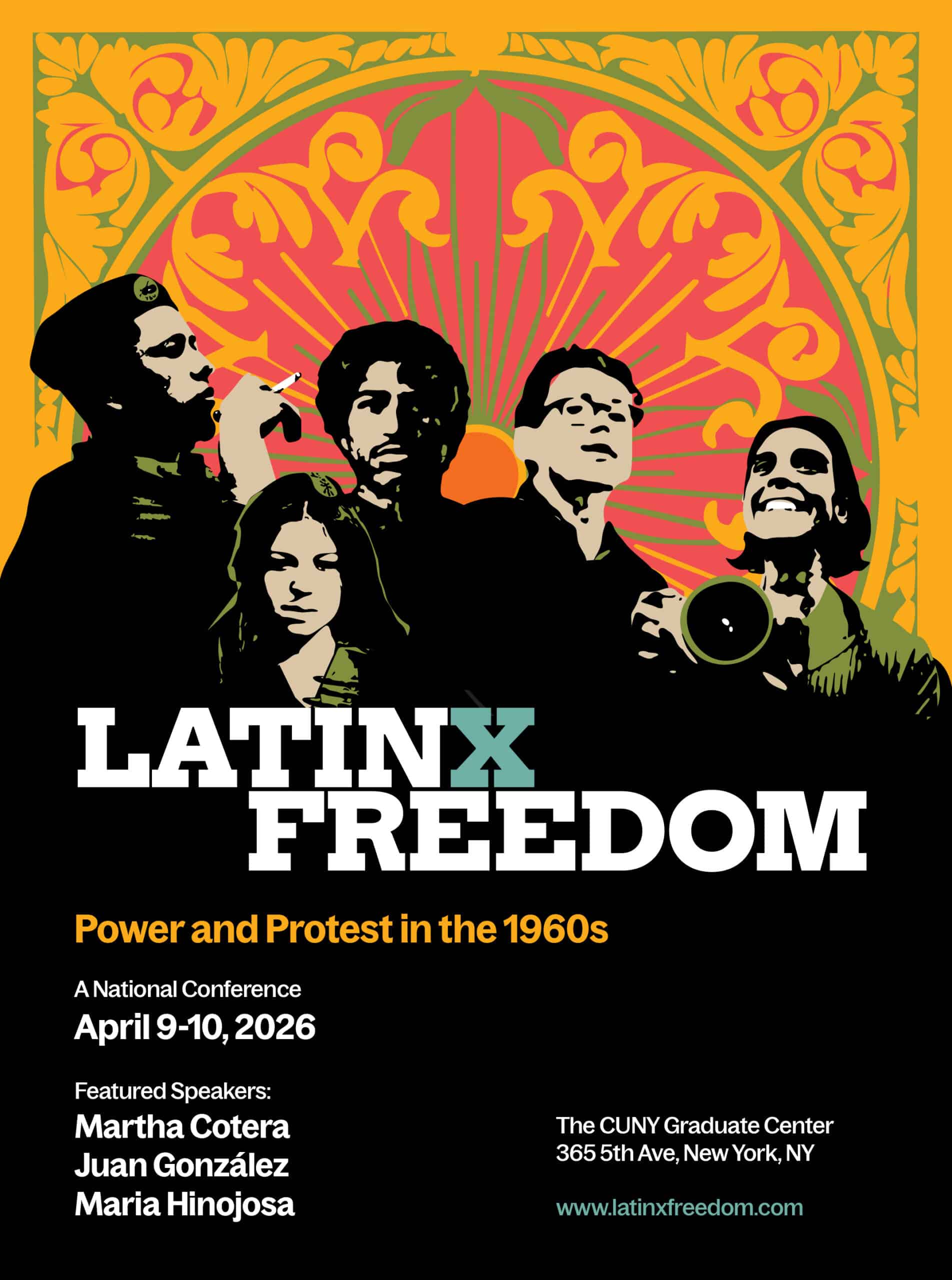
Latinx Freedom Conference, a rare and powerful gathering on Latinos in the civil rights movement, to be held in person at the CUNY Grad Center in New York onApril 9–10.Learn more and register.
The conference is part of the Latinx Freedom Movement Archive & Exhibition Project, a national initiative that will bring large-scale outdoor exhibitions to five cities as a public intervention marking the 250th anniversary of the Declaration of Independence.
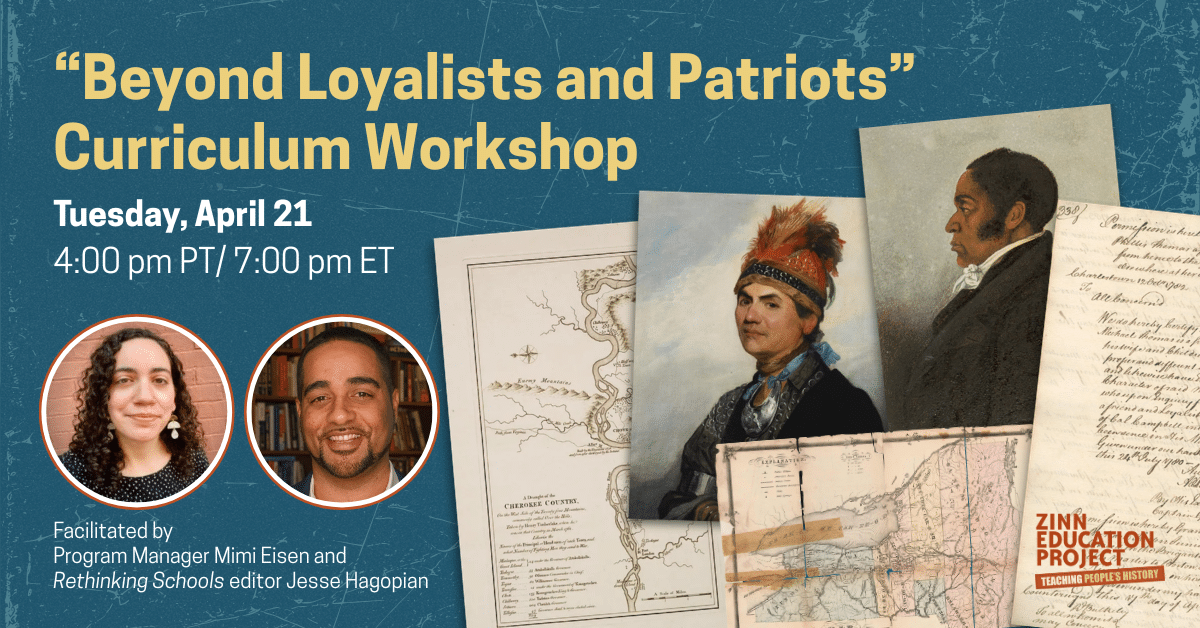
On Tuesday, April 21, join Zinn Education Project program manager Mimi Eisen and Rethinking Schools editor Jesse Hagopian to pilot a new high school lesson for teaching the people’s history of the American Revolution.
Through a mixer activity, participants will surface choices and outcomes navigated by an array of Indigenous and Black people in the Revolutionary period — and examine what freedom meant to those excluded from it at the U.S. founding.
Teachers are under attack for teaching truthfully about U.S. history. Please donate so we can continue to offer free people’s history lessons and resources, and defend teachers’ right to use them.