Lessons, Resources, Teach Truth activities, audiograms and more
If you're having trouble viewing this email, you cansee it online.
Coordinated by Rethinking Schools and Teaching for Change
Memorial Day
People’s History
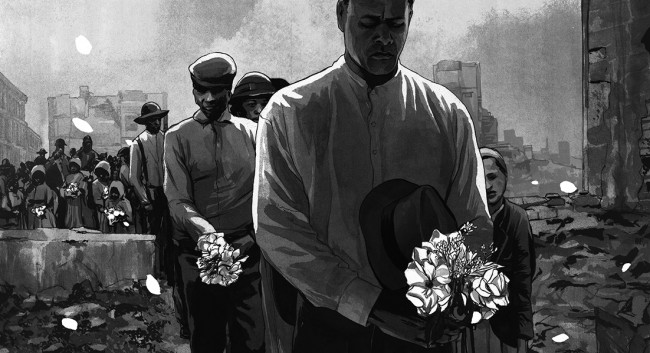
Americans understand that Memorial Day . . . has something to do with honoring the nation’s war dead. It is also a day devoted to picnics, road races, commencements, and double-headers. But where did it begin, who created it, and why?
— David Blight
This Memorial Day, we revisit histories of remembrance, resistance, and the human cost of war. We feature David Blight on the African American origins of Memorial Day in Charleston after the Civil War and an essay by Howard Zinn urging us to reject mass violence.
We also share the documentary and companion oral history collection, Memorial Day Massacre: Workers Die, Film Buried. This resource explores the 1937 tragedy in Chicago when police shot and killed 10 pro-labor marchers — and the shocking cover-up that followed.
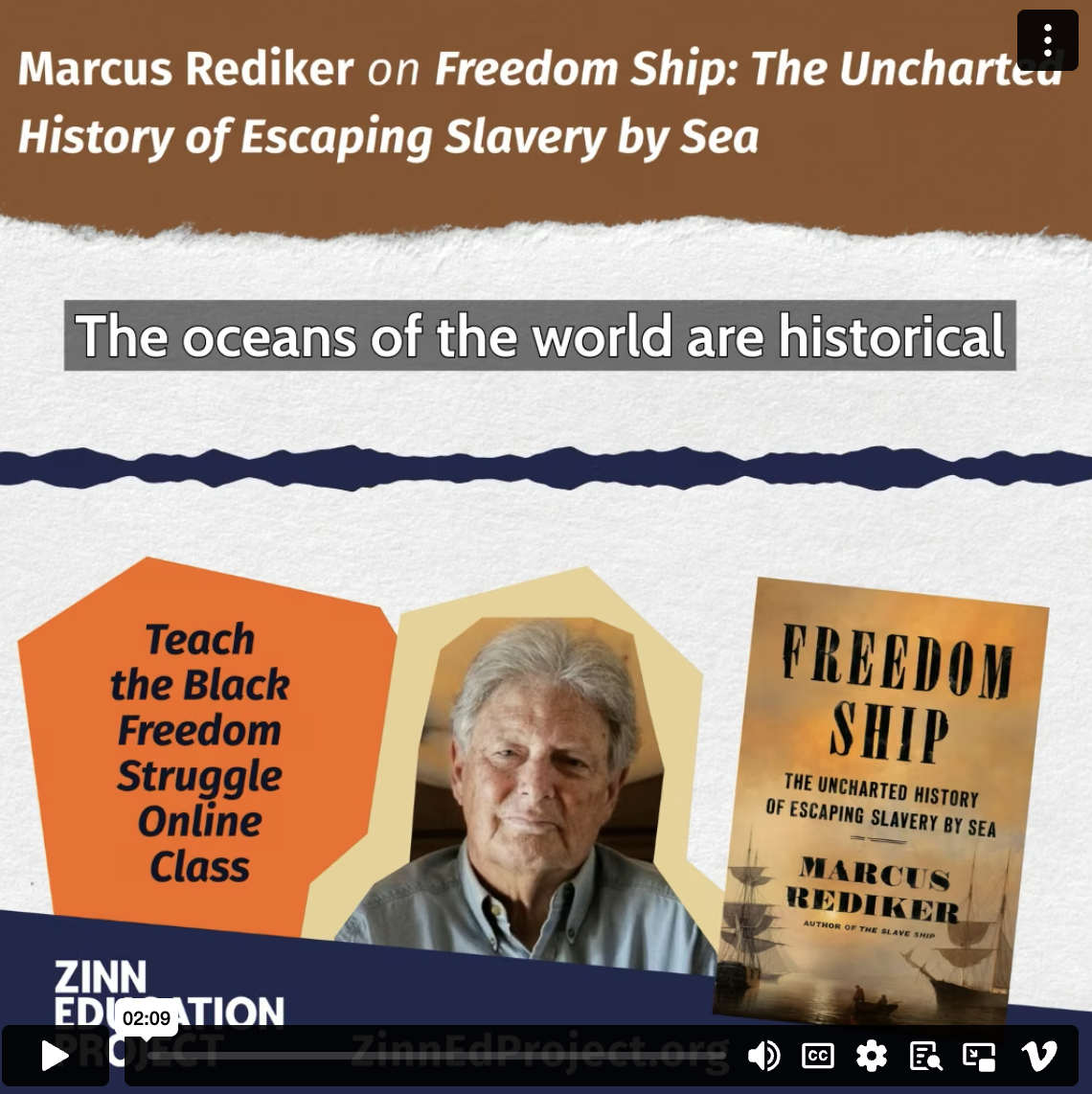
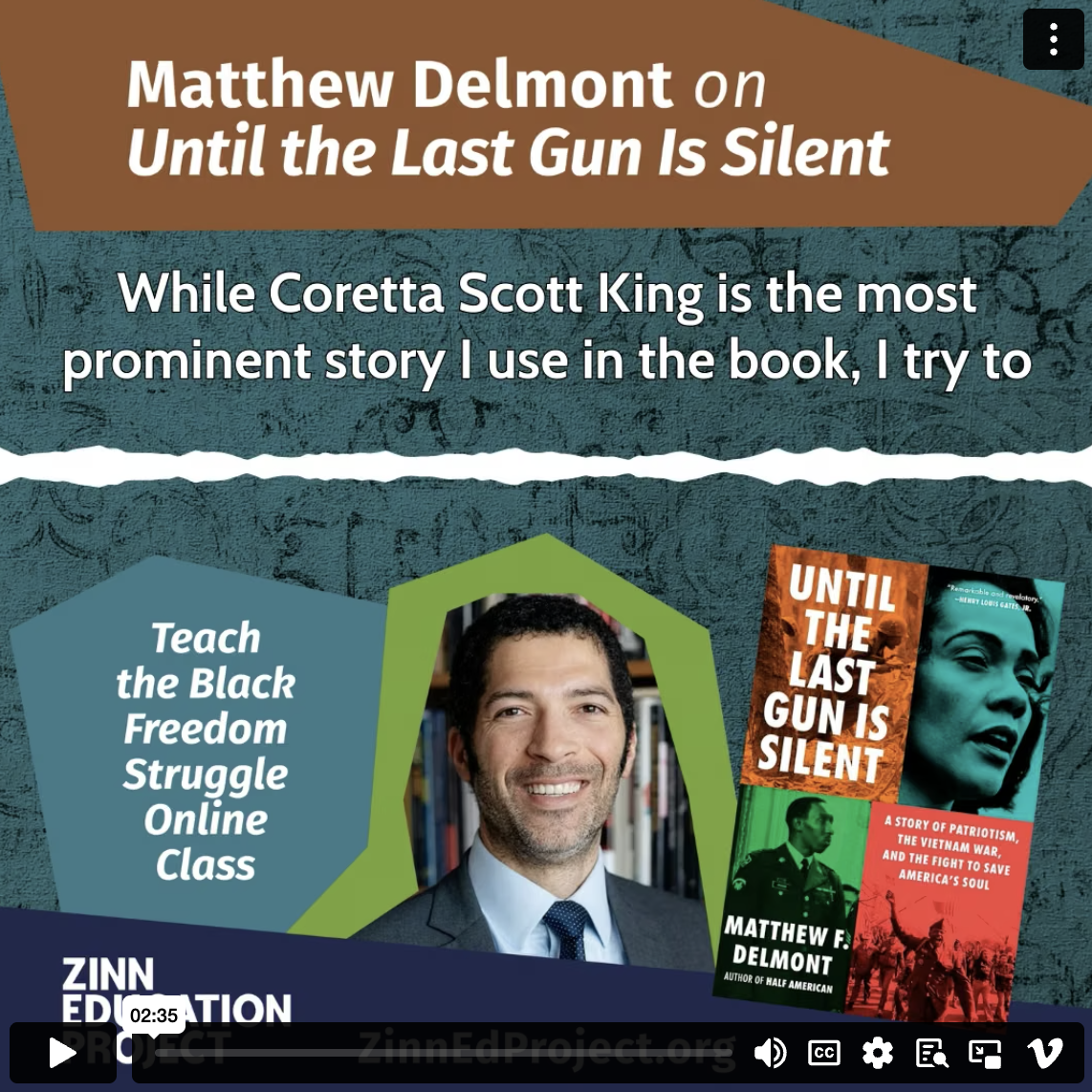
In case you missed any of our Teach the Black Freedom Struggle online classes this spring — or want to revisit them — catch up with historians Marcus Rediker and Matthew Delmont in the audiograms below.
Rediker explores the often overlooked yet centralrole of maritime history in the struggle against slavery, while Delmont highlights how anti-war and civil rights struggles have long been intertwined and why that history matters today.
This summer, we ask EVERYONE to make the demand to #TeachTruth visible.
Host an event on the annual day of action (Saturday, June 6) or bring the demand to Pride parades, Juneteenth commemorations, July 4 activities, and more. The need toprotect the freedom to learn is part of every fight for justice.
We offer signs for rallies, pop-up display boxes, materials for activities such as gallery walks, guides for walking tours, and more.
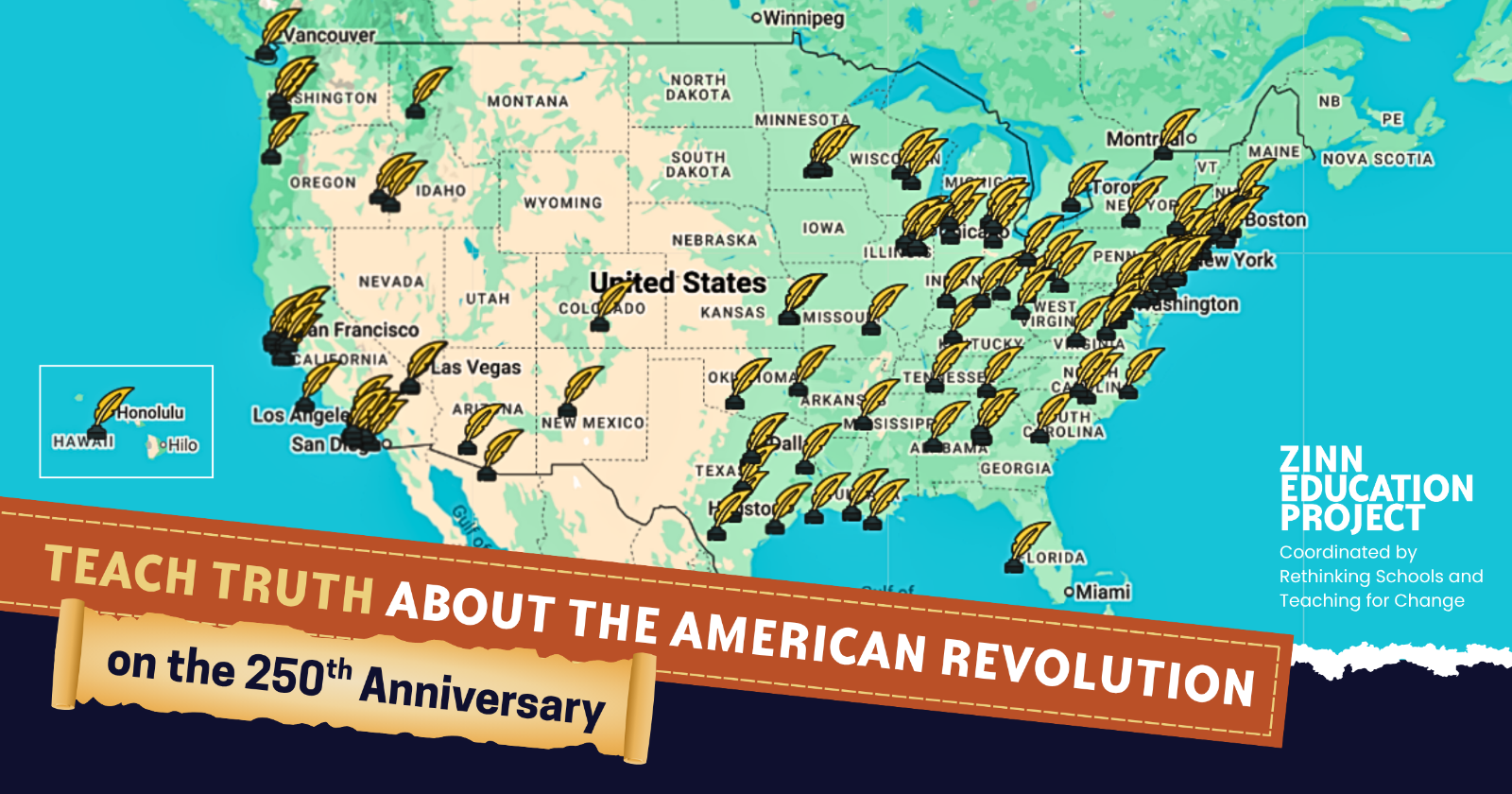
Let’s make visible the fact that educators everywhere are teaching truthfully about the American Revolution.
We add quills to mark the cities where teachers are participating. Help us fill the map with participation from every state and territory. (Your name stays private.) Plus, access free lessons, reflection questions, and more.
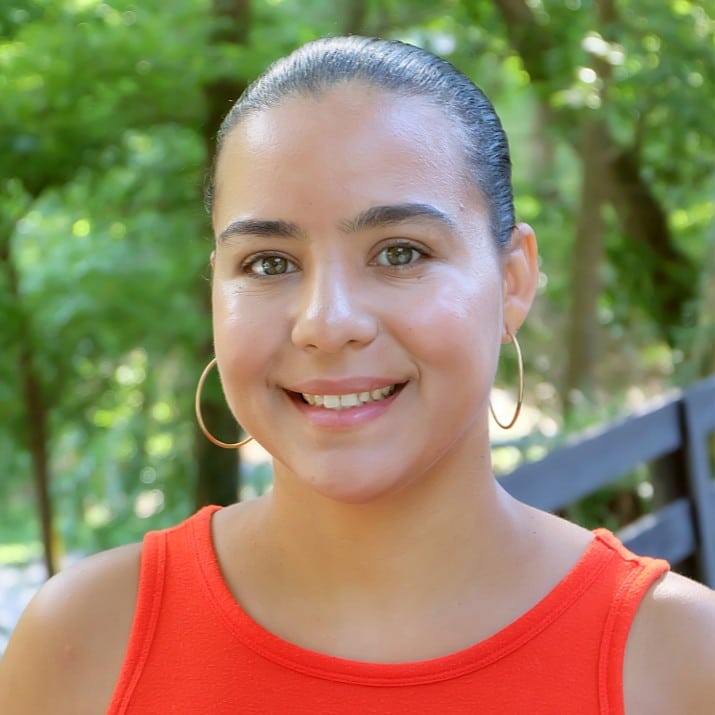
The Zinn Education Project hosts the Prentiss Charney Fellowship to support a cohort of people’s history educator leaders to study, learn, and organize. Today we celebrate fellow Fayette (Faye) Colon.
Faye leads professional development and works on curriculum with early childhood and elementary school teachers at a school in Louisville, Kentucky.
Over the past two years, Faye has adapted ZEP lessons for upper elementary students. She has also drafted lessons inspired by other educators, including a trial activity about the 1992 L.A. Race Riots, a lesson on Indigenous resistance, and a lesson for the primary classroom on skin color.
Faye notes that the fellowship has connected her with a cohort of other educators she can lean on for advice. “Through this web of support," she shares, “I gained insight into teaching about Indigenous history and supporting preschool teachers in anti-racist education.”
We are lucky to teach, learn, and organize alongside Faye and all the Prentiss Charney Fellows. Consider a donationto continue and expand the fellowship in memory of education activist and union leader Michael Charney and leading Ohio education lawmaker, C. J. Prentiss.
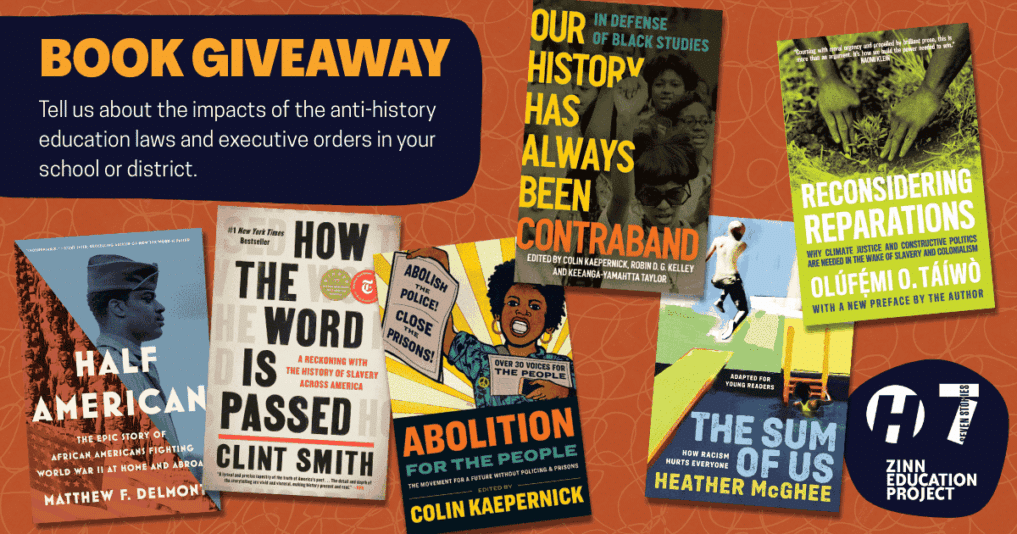
Free Books for Educators
Share Your Teach Truth Story
The right seeks to indoctrinate students with a whitewashed narrative of history. Our goal is for young people to engage in intellectual inquiry, to pursue real questions about history, and to apply historical insights to contemporary issues.
Please share stories about the impact of anti-history education laws, executive orders, the chilling effect in your school or school district, and whether or how educators and communities are resisting this repression. This will help the wider public understand how education is being censored and how some school districts are responding by defending the freedom to learn.
Check out these events hosted by the Zinn Education Project, our coordinating organizations (Rethinking Schools and Teaching for Change), and colleagues.
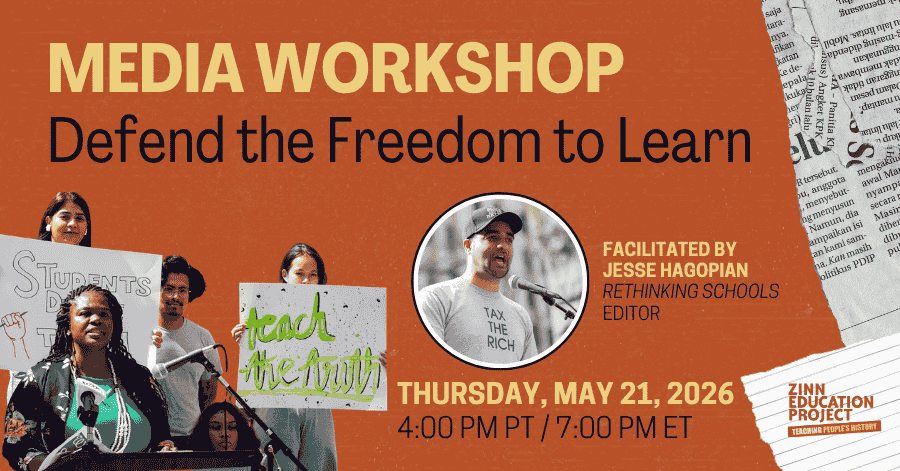
Join us for a Media Workshop onThursday, May 21.
This is a participatory and informative workshop on effective media strategies — with time to practice responding to Teach Truth FAQs and American Revolution FAQs in small groups. Facilitated by Rethinking Schools editor Jesse Hagopian. Learn more and register.
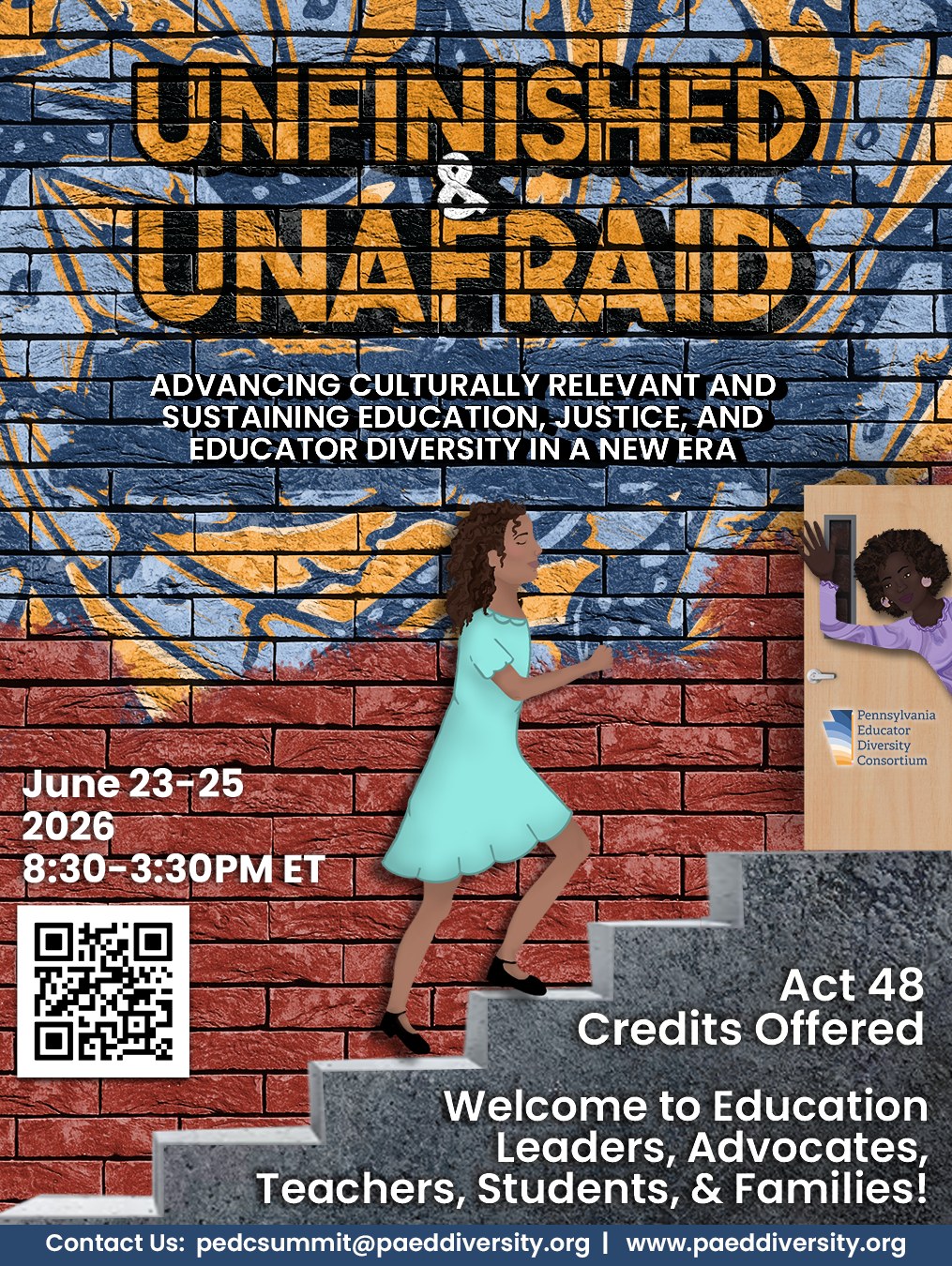
The Pennsylvania Educator Diversity Consortium is hosting its 7th annual virtual summit from June 23–25. This year’s theme is Unfinished & Unafraid: Advancing Culturally Relevant and Sustaining Education, Justice, and Educator Diversity in a New Era with plenary sessions, concurrent workshops, and collective action. The keynote speakers include Nikole Hannah-Jones, Bill Ayers, and Stacey Patton.
Join us this summer for a virtual Teaching for Black Lives study group. Each participant will receive a Teaching for Black Lives book and a one-year subscription to Rethinking Schools magazine.
Pre-K–12 educatorswill explore how to teach about racism, resistance, and joy. We will meet at 4 pm PT/ 7 pm ET on Tuesdays: June 23, June 30, July 14, and July 21.
Teachers are under attack for teaching truthfully about U.S. history. Please donate so we can continue to offer free people’s history lessons and resources, and defend teachers’ right to use them.