Lessons and resources to teach outside the textbook and more
If you're having trouble viewing this email, you cansee it online.
Coordinated by Rethinking Schools and Teaching for Change.
Juneteenth
Celebrate. But We Can’t Teach?
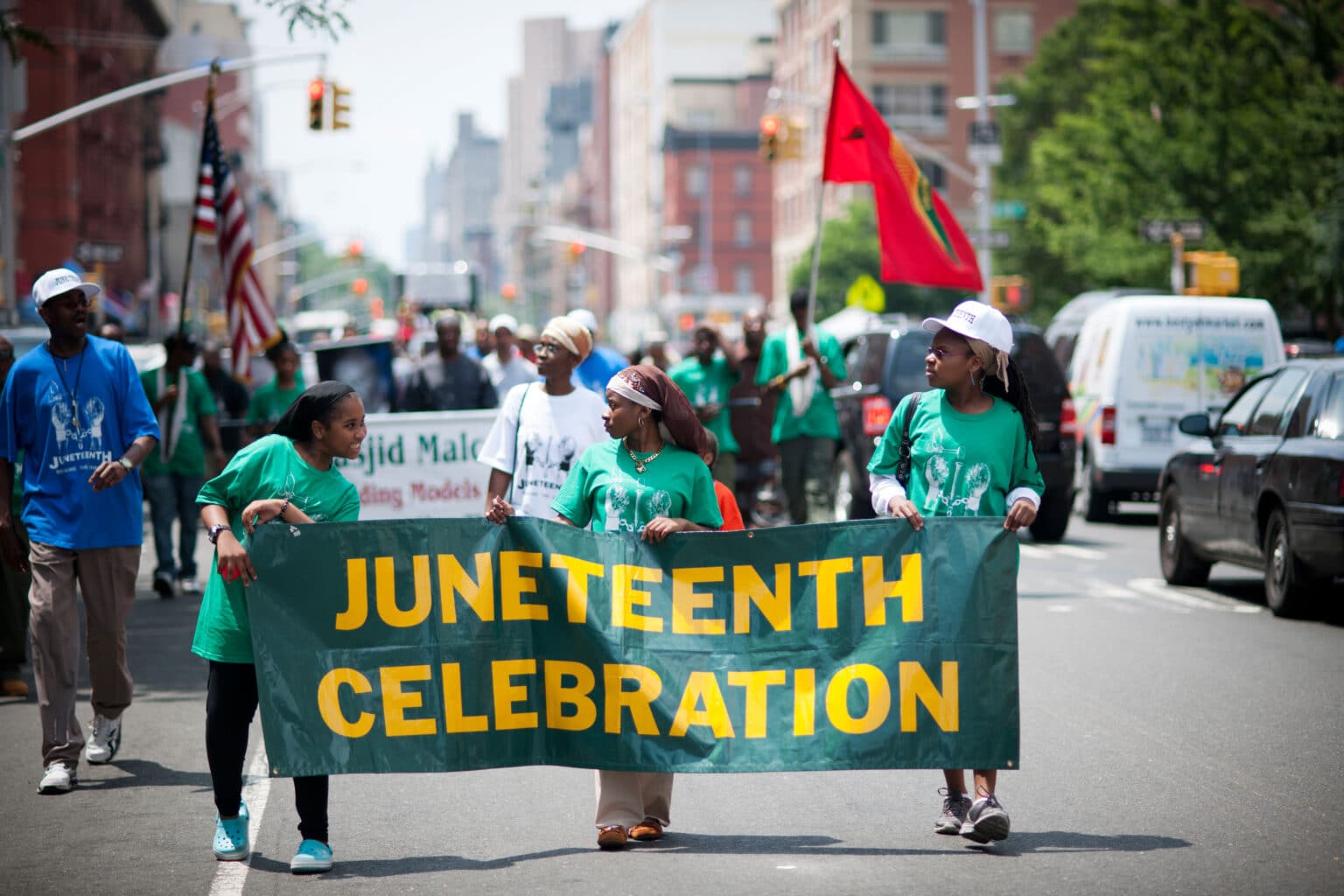
Photo by Richard Levine/Alamy
Juneteenth — June 19th, also known as Emancipation Day, commemorates people seizing their freedom.
This beautiful tradition of Black freedom should be taught in school.
Yet, if this administration has its way, it will be illegal to teach students about Juneteenth. Most states have passed or proposed legislation to prohibit teaching about structural racism, and books are being banned and removed from school libraries in record numbers. The president’s executive orders do the same. The goal is to outlaw teaching about the founding of this country on slavery and genocide, as well as about the long Black freedom struggle.
Some laws ban teaching about the systems that led to enslavement and how these practices continue to manifest in policing, redlining, voter suppression laws, and more.
But educators continue to teach truthfully. They are doubling down on their commitment to teach young people about institutionalized racism and how to organize for justice.
This year, Juneteenth falls just before the 250th anniversary of the Declaration of Independence. Left out of the official America250 commemorations is the fact that, after independence, the United States took deliberate steps to protect, expand, and enforce slavery. As we explain in our FAQs about the American Revolution, slavery was woven into the economic foundations of the new nation, both North and South.
Juneteenth reminds us that emancipation did not arrive because the founders carved an ever-widening path toward freedom and justice for all. It came because enslaved people resisted, abolitionists organized, and mass struggle forced a break from the slaveholding status quo.
Through a mixer activity, students encounter the countless, creative, daily ways that people resisted their enslavement.
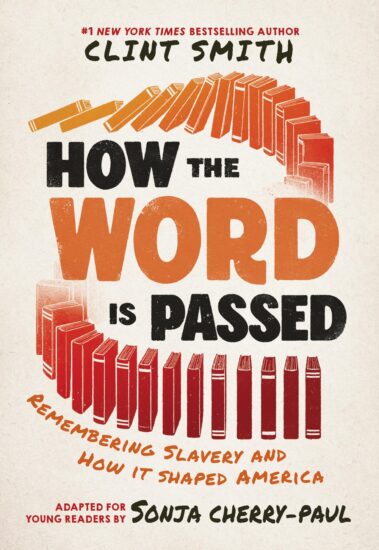
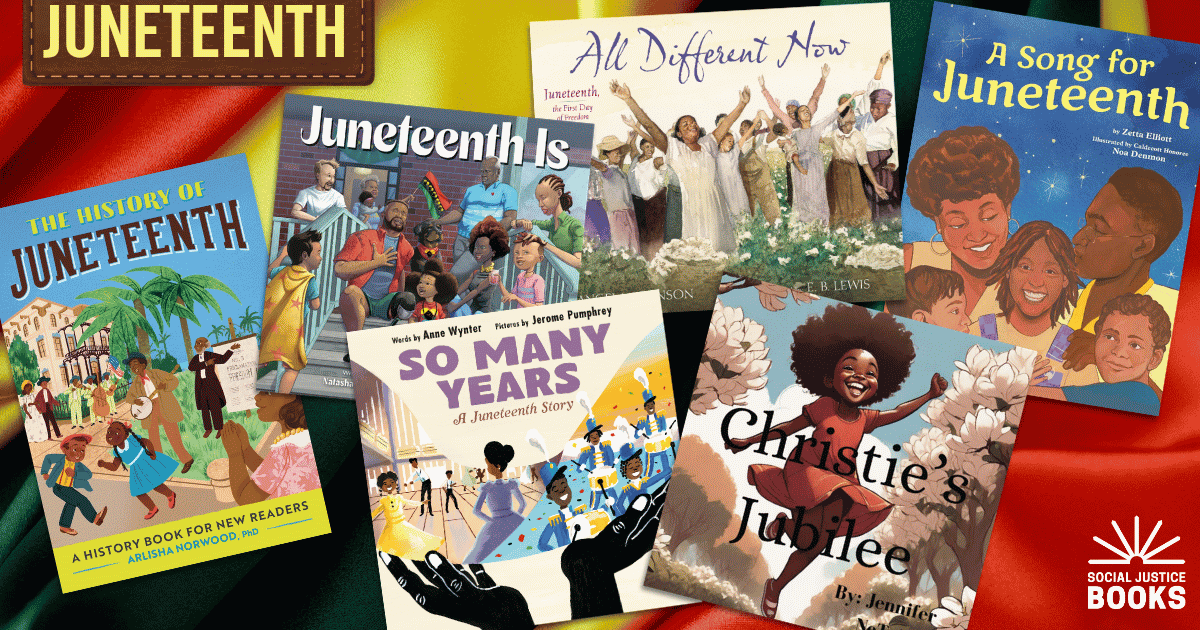
For elementary school, Teaching for Change’s Social Justice Books offers a list of recommended picture books and questions to consider when selecting titles on Juneteenth.
Ohio: Youngstown City School District/Mahoning Valley Sojourn to the Past will host aFreedom Schooland Teach Truth walk.
West Virginia: America 433+ will gather at Harpers Ferry National Historical Park for a teach-in. America 433+ is a coalition of Resistance Rangers, Branch 4, Race Forward Action/Public School Strong, and the Zinn Education Project.
Wisconsin: America’s Black Holocaust Museum will host an event on Juneteenth in Milwaukee celebrating history, resilience, and joy.
Our new lesson, Beyond Loyalists and Patriots, investigates what freedom meant to Black and Indigenous people at the U.S. founding.
Taking on the roles of historical figures, including Boston King, Elizabeth Freeman (Mum Bett), Phillis Wheatley, Paul Cuffe, Nanye’hi (Nancy Ward), and Joseph Brant, students explore how people navigated the American Revolution and chose sides based on which outcome seemed most likely to improve their lives.
This lesson by Mimi Eisen and Tiferet Ani is part of our Teach Truth About the American Revolution campaign, which offers resources for teaching honestly during the 250th anniversary of the U.S. founding.
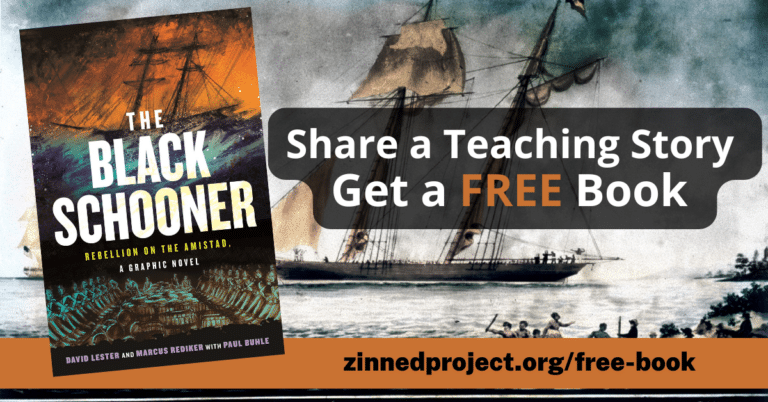
Thanks to donations from educators and supporters like you, this lesson is free. Help keep all of our lessons and classes freely available by donating today.
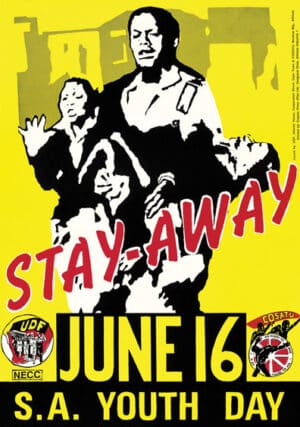
Soweto Uprising
50th Anniversary
On June 16, 1976, thousands of Black school children took to the streets of Soweto to protest against apartheid education.
The uprising that followed changed the course of South African history.
Add these events, hosted by the Zinn Education Project and our colleagues, to your calendar. Online unless noted otherwise.
On Wednesday, June 24, join Science Teaching for Social Justiceeditors and contributors for a Rethinking Schools book launch and celebration! Science Teaching for Social Justice shares stories of educators and students who explore how social and political systems shape science.
From preschool to graduate studies and across disciplines, this new book contains lessons that empower students to use science as a tool for equity and justice.
Teachers are under attack for teaching truthfully about U.S. history. Please donate so we can continue to offer free people’s history lessons and resources, and defend teachers’ right to use them.