American Revolution teaching resources, testimonials, free books, events, and more
If you're having trouble viewing this email, you cansee it online.
Coordinated by Rethinking Schools and Teaching for Change.
Demands for Justice in 1776
The idea that the “Founding Fathers” carved an ever-widening path toward freedom for everyone is a myth that animates countless textbooks, museums, and monuments.
On this 250th anniversary of the Declaration of Independence, students can explore other demands for justice written in 1776. Here are some examples from our people’s history resources on the American Revolution.
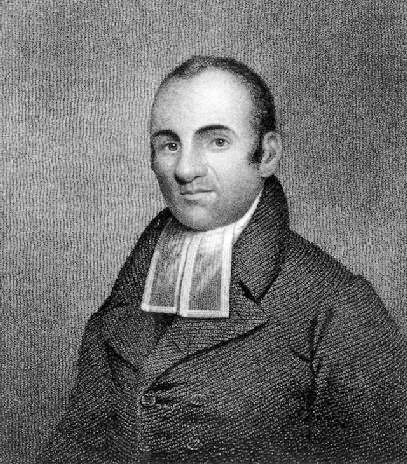
Lemuel Haynes penned the essay “Liberty Further Extended” in response to the Declaration — and to the many enslavers who signed it. He wrote that Black people too “may justly challenge, and [have] an undeniable right” to freedom, so “the practice of slave-keeping . . . is illicit.”
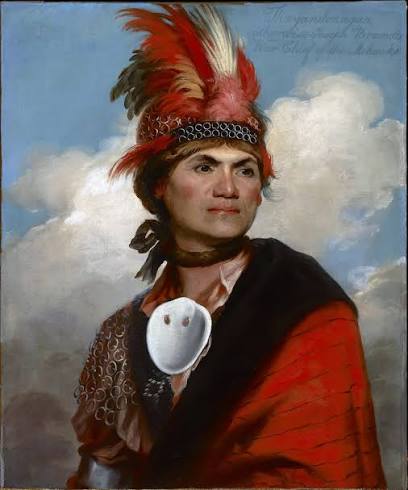
Prompted by the colonists’ invasion of the Haudenosaunee (Iroquois) Confederacy and the theft of their land, Mohawk leader Thayendanegea (Joseph Brant) called on the British government tokeep its wartime promises and“procure us justice.”
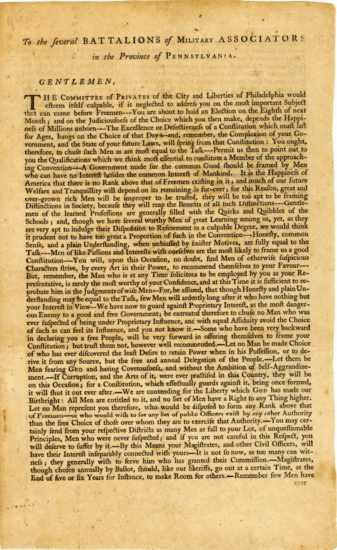
A group of Philadelphians posted a broadside across the city warning that “overgrown rich men will be improper to be trusted” with drafting a new constitution.
Months later, when Pennsylvania adopted one of the most democratic state constitutions of the Revolutionary era — expanding political participation and limiting elite power — John Adams reacted with alarm, exclaiming, “Good God!”
Stories from the Classroom
My students loved the collaborative aspect of Race, Class, and the Constitutional Convention by Bill Bigelow. It served as a wonderful opportunity to have honest and necessary conversations about the role of race in the creation of the Constitution — a document that is typically covered as if it were perfect, even sacred, and not worthy of critical analysis.
We are currently living in a period where teaching all parts of our country’s history is being restricted and even criminalized. Students yearn for the unvarnished truth in order to better understand the unique times that they are being brought up in.
— William Hougan, high school social studies teacher, Los Angeles, California
Thanks to donor support, this lesson is free. Help keep all of our lessons and classes freely available by donating today.
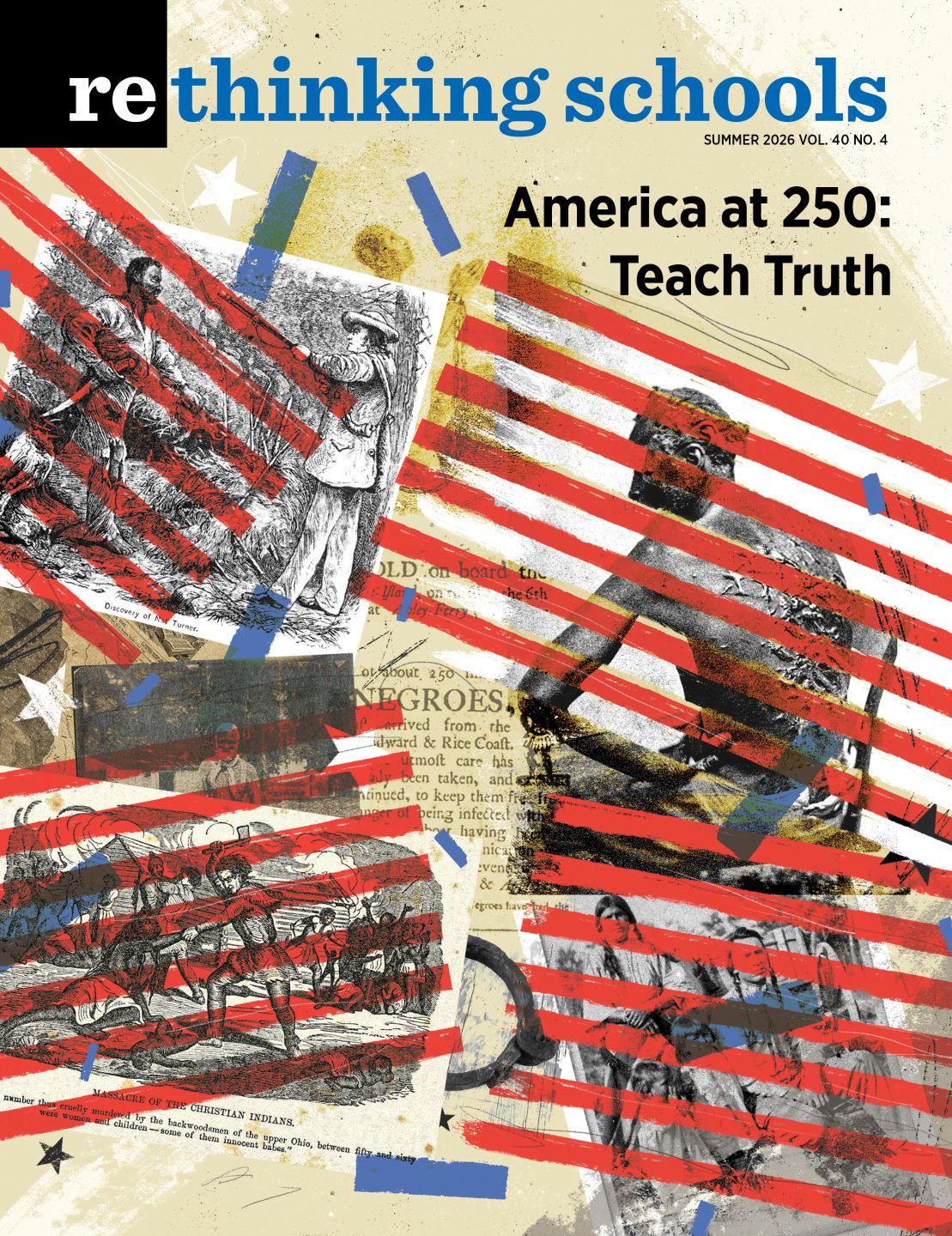
The summer issue of Rethinking Schools features an editorial and several articles that help educators think critically about how to teach the American Revolutionbyuplifting Black, Indigenous, and working-class voices too often left out of the official story.
Plus, students use mathematics to challenge unjust dress codes, researchers examine the relationship between Advanced Placement courses and racial stereotypes, and more resources for teaching for justice.
Rethinking Schools co-coordinates the Zinn Education Project and is the source for many of the lessons and articles on the site. Subscribe to the magazinefor new quarterly content.
The Zinn Education Project hosts the Prentiss Charney Fellowship to support a cohort of people’s history educator leaders to study, learn, and organize. Today we celebrate fellow Zachary Roach.
As a Prentiss Charney Fellow, Zach is developing curriculum on The Nickel Boys by Colson Whitehead. The book is a fictional portrayal of the real-life Dozier School, a Jim Crow-era “reformatory” school in Florida that systemically abused Black boys.
In the novel-based unit, students grapple with disagreements between the book’s central characters on how to pursue justice.
Zach says the fellowship has been “energizing, focusing, and community-building.” The meetings “gave me time to step back from my day-to-day work of leading my school and refine my purpose for doing the work that I do. The partnerships I developed with my cohort have been a source of inspiration for my own curriculum development.”
We are lucky to teach, learn, and organize alongside Zach and all the Prentiss Charney Fellows. Consider a donation to continue and expand the fellowship in memory of education activist and union leader Michael Charney, and leading Ohio education lawmaker C. J. Prentiss.
Events
Check out these events hosted by the Zinn Education Project, our coordinating organizations — Rethinking Schools and Teaching for Change — and our colleagues. All events are online unless noted otherwise.
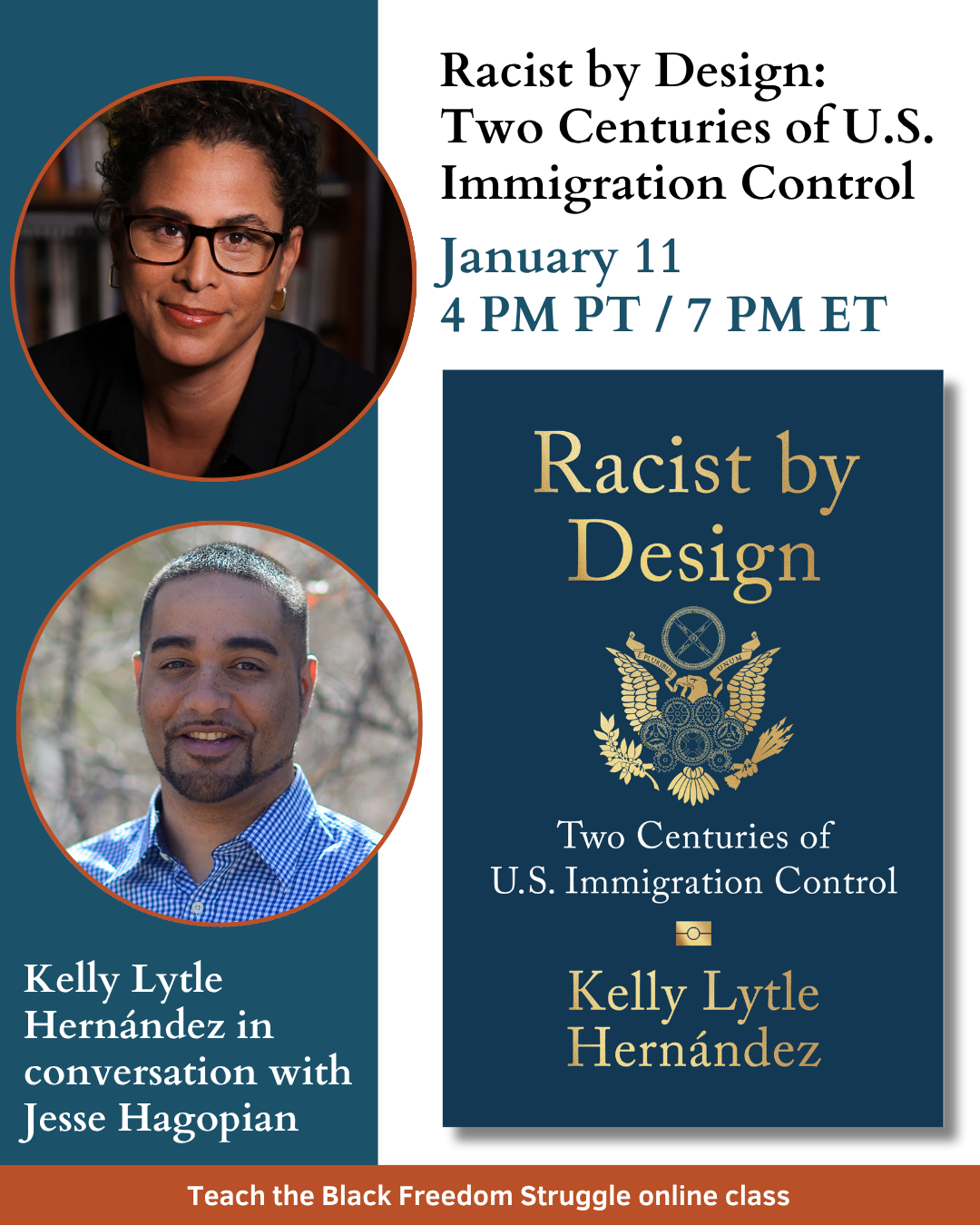
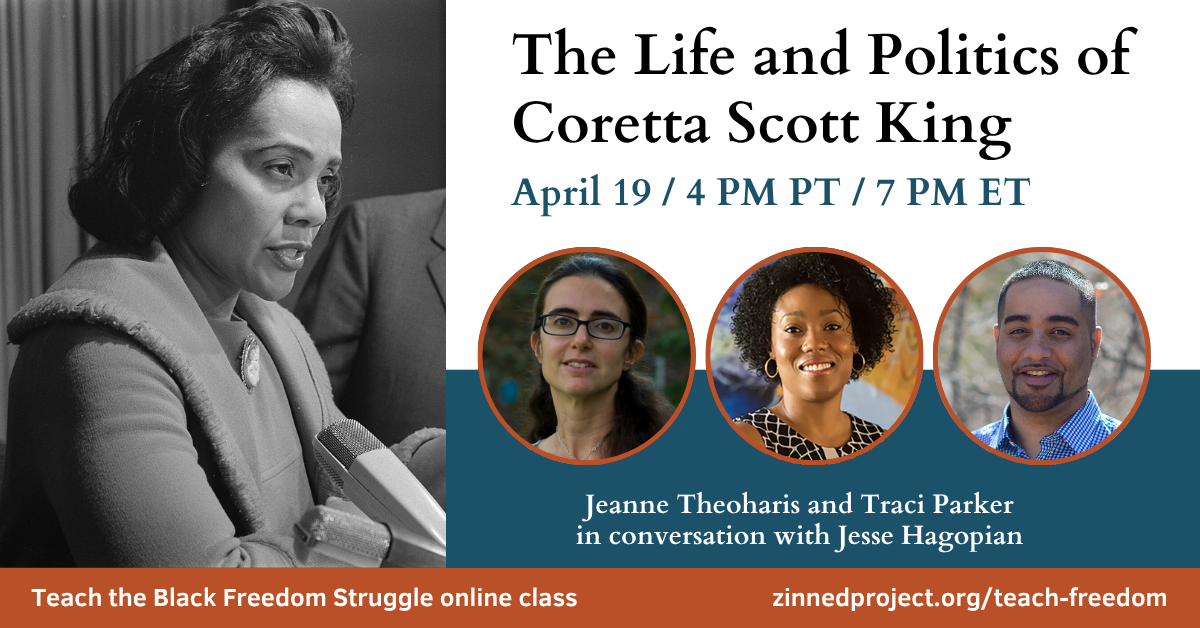
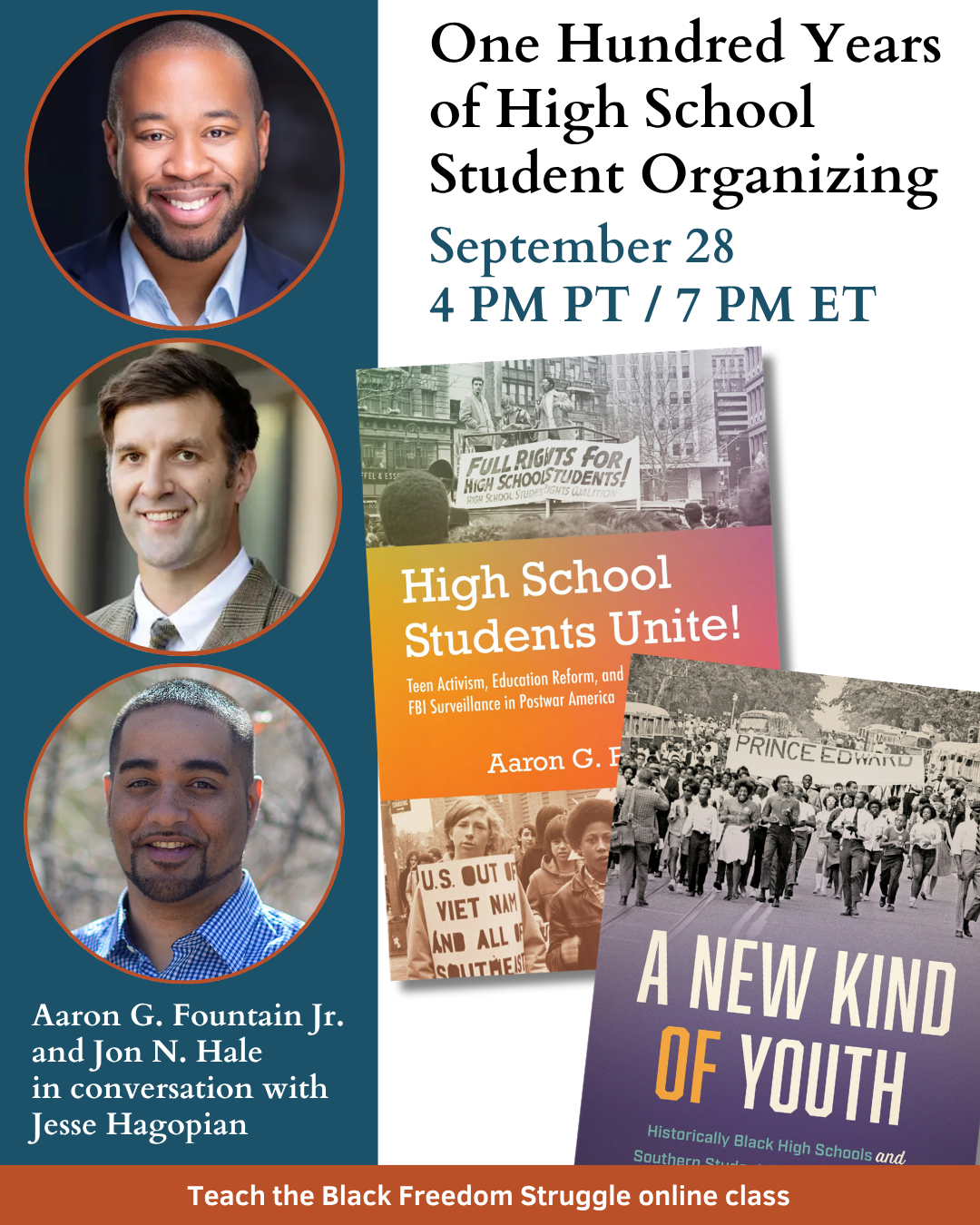
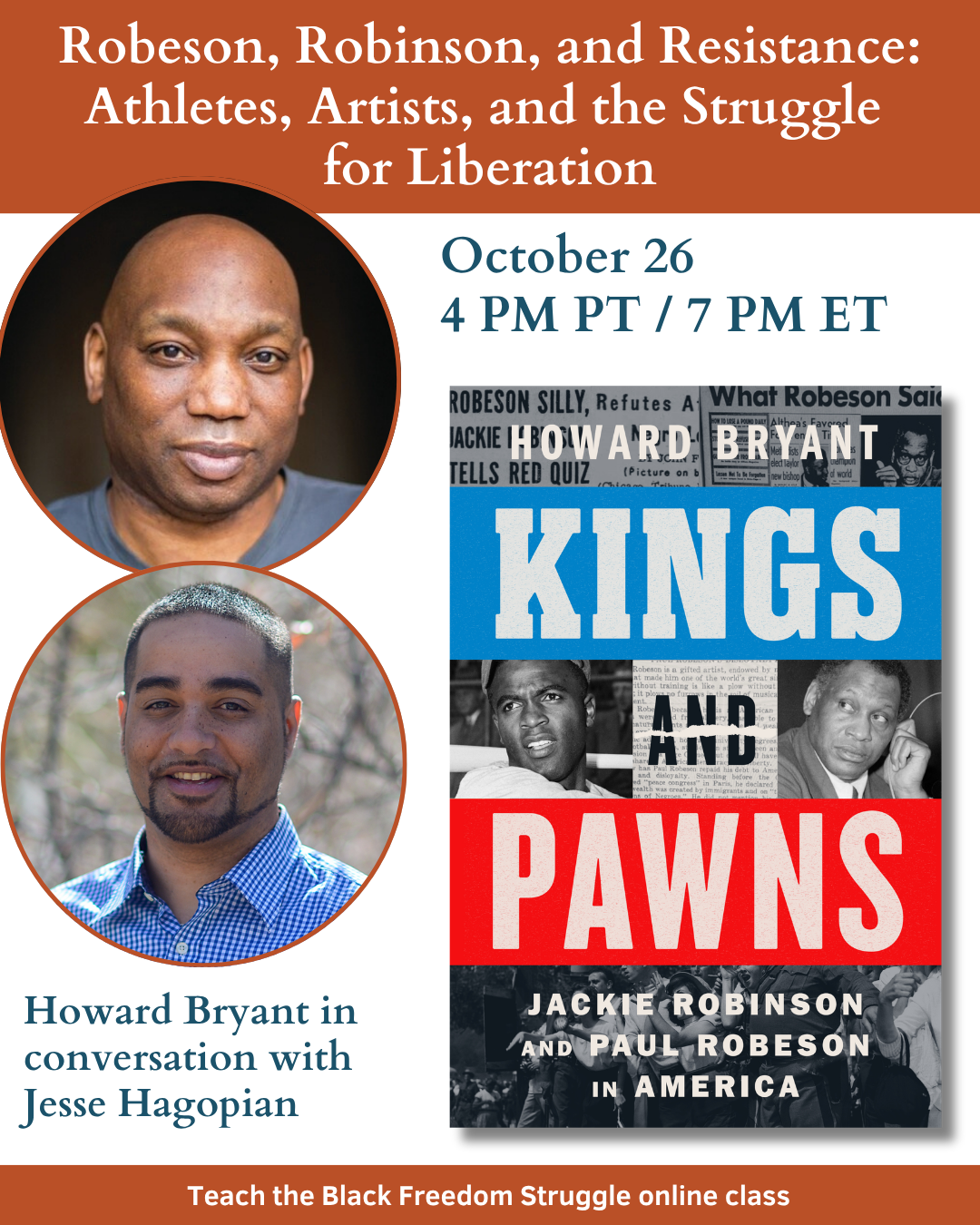
Teach the Black Freedom Struggle
Mark your calendar with the 2026–2027 online class schedule.
ASL interpretation and professional development certificates provided for all sessions.
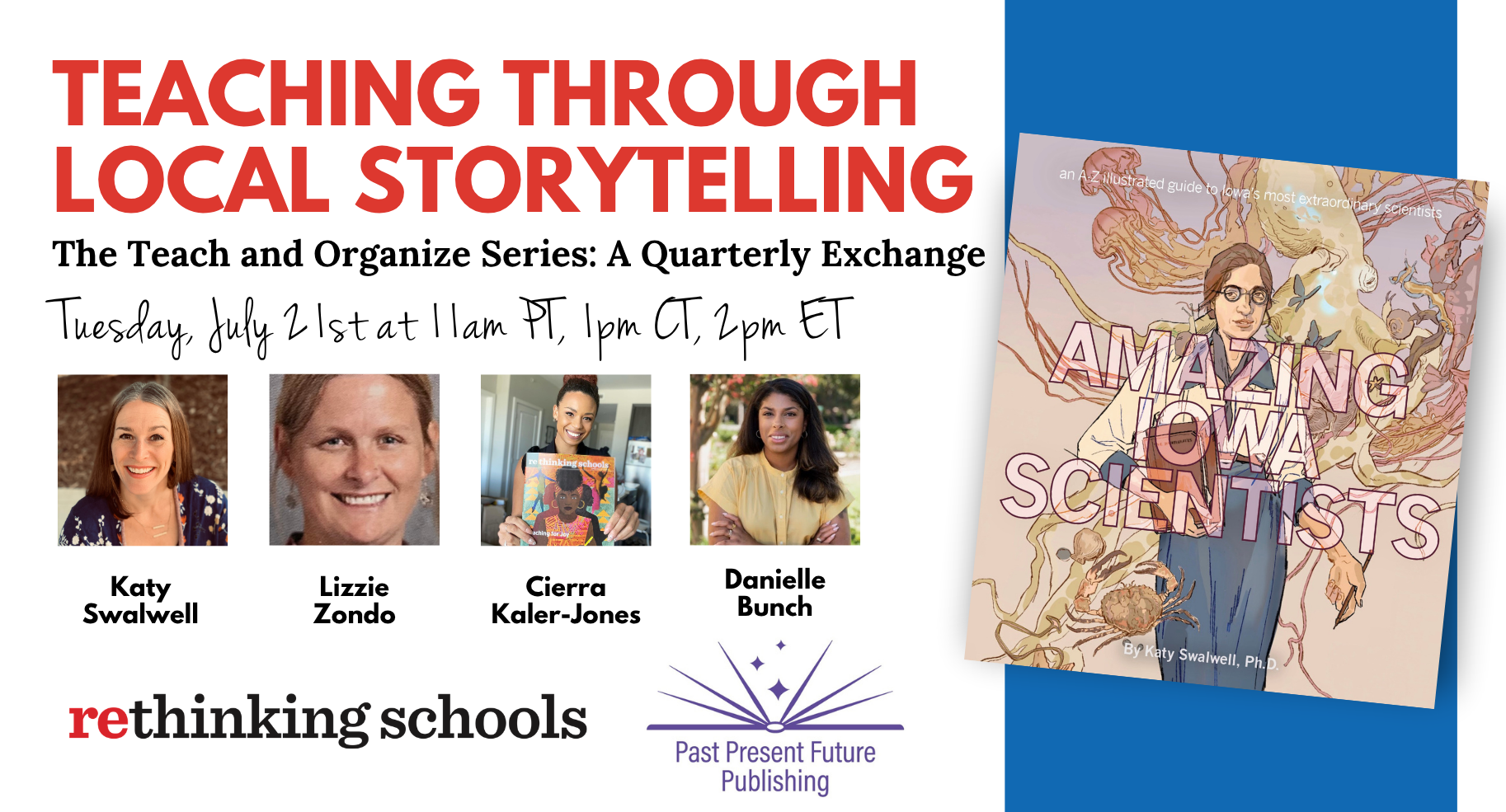
On Tuesday, July 21, join Rethinking Schools for a panel conversation with Katy Swalwell, author of Amazing Iowa Scientists, and high school educator Lizzie Zondo on teaching strategies that help students research local histories.
The conversation will focus on approaches to teaching local history through storytelling, research, and place-based learning. Attendees will collaborate, reflect on their practice, and brainstorm ways to bring these strategies into the classroom.
Teachers are under attack for teaching truthfully about U.S. history. Please donate so we can continue to offer free people’s history lessons and resources, and defend teachers’ right to use them.



.png)