Free lessons, film, junior resistance rangers, and more
If you're having trouble viewing this email, you cansee it online.
Coordinated by Rethinking Schools and Teaching for Change.
Monuments, Myths, and Memory
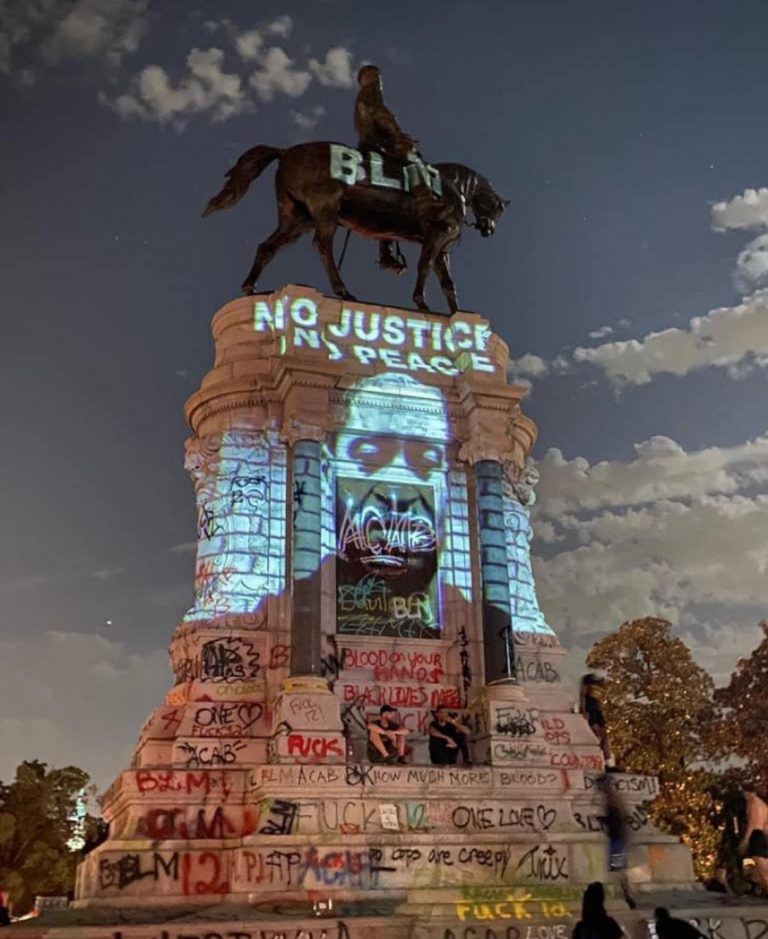
This administration is turning back the clock on advances made during the racial justice uprising that began in June 2020.
Their policies are blatantly racist. Just like the Daughters of the Confederacy, they are plastering names and images of white supremacists everywhere — erasing alternative visions of who “we” are and could become.
They are returning Confederate names to national parks, military bases, and ships — and bringing back Confederate monuments. All while censoring people’s history in schools, libraries, and historic sites.
Let’s invite students to consider why an accurate knowledge of history matters and help them reclaim those stories. Here are resources related to public monuments and historic sites.
National Monument Audit
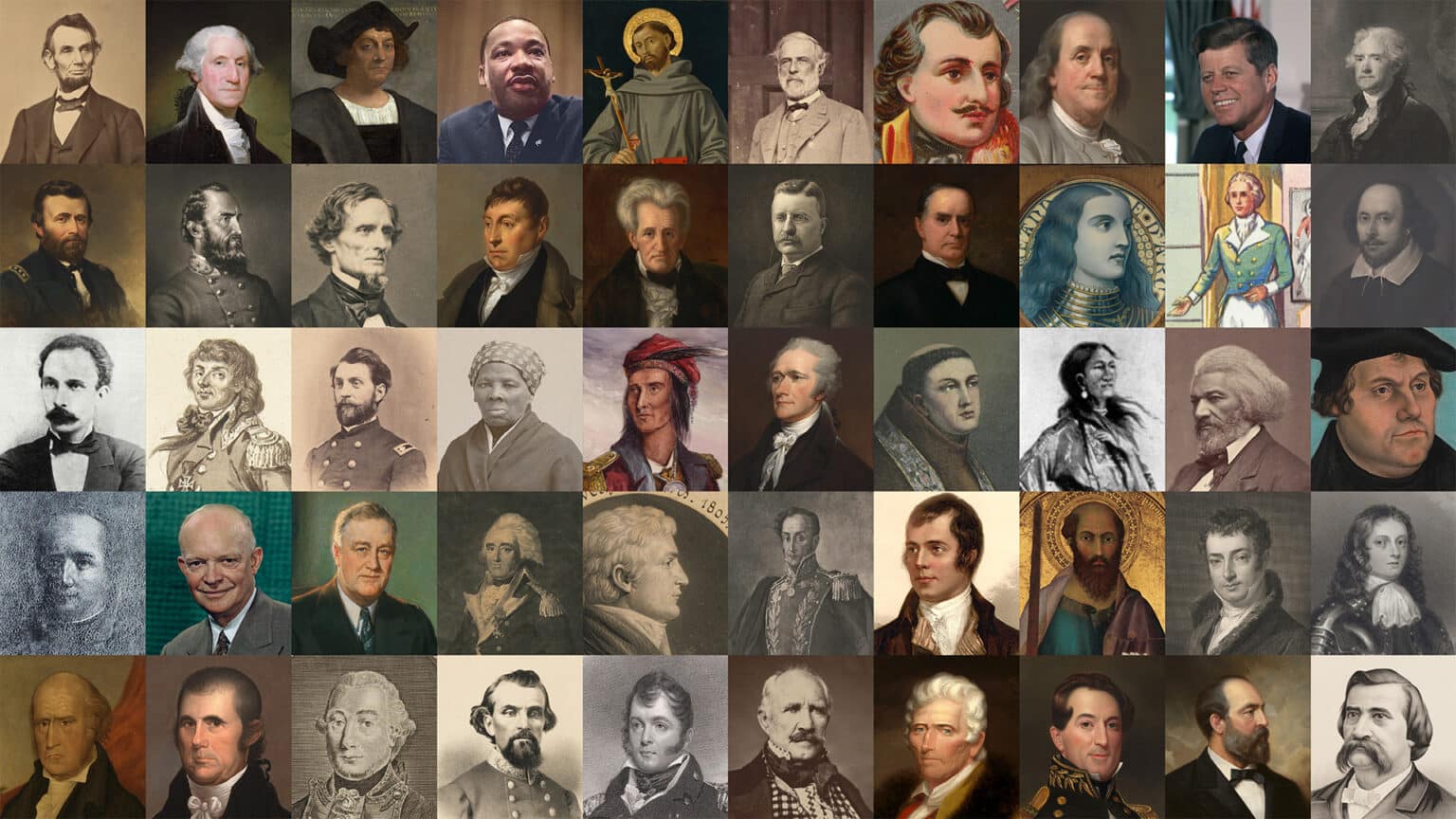
Monument Lab conducted a national audit of more than 50,000 monuments. They found that more than 50 percent honor enslavers. Only 6 percent are of women. The first monument to an individual person of color (Martin Luther King Jr.) was dedicated in 2011.
The report is available online and includes an educators’ guide by Prentiss Charney Fellow Rabiya Kassam-Clay.
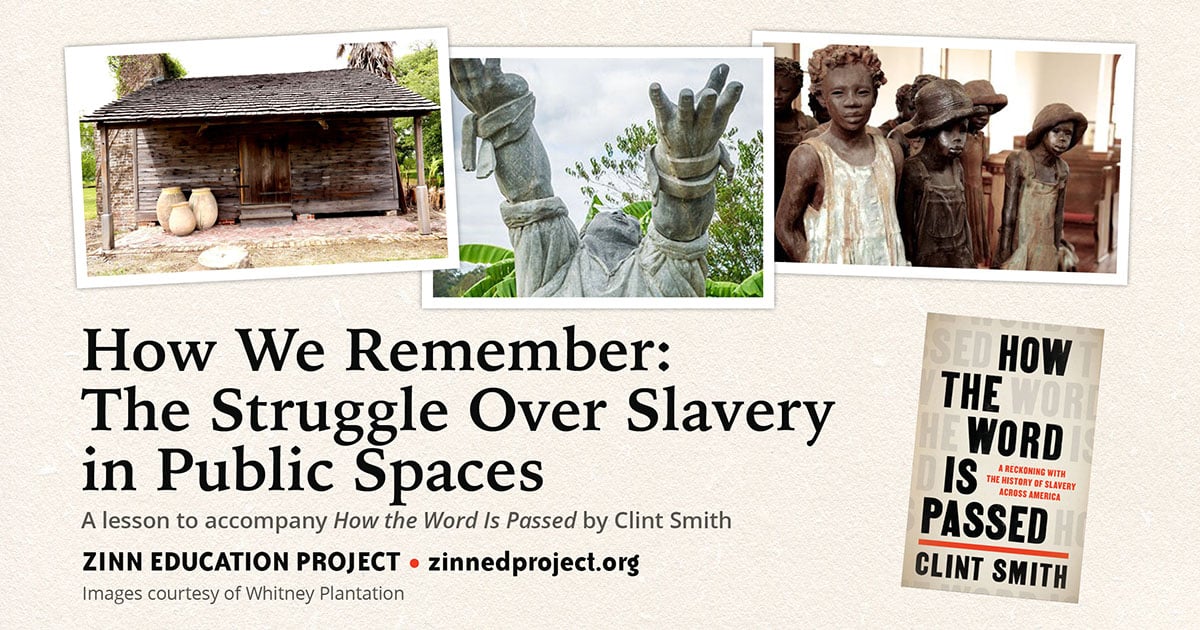
In “How We Remember: The Struggle Over Slavery in Public Places,” students read about sites of memory in How the Word Is Passed and imagine how to memorialize what occurred there. They then compare what they create with how the respective site is currently commemorated and described by docents.
This lesson gave my students the chance to become “public historians.” What I appreciated most was how this work made space for the humanity of the enslaved — especially the children. We paired the lesson with Clint Smith’s Crash Course videos on African American history.
— Patrice McCullough, High School Social Studies Teacher, Jamaica, New York
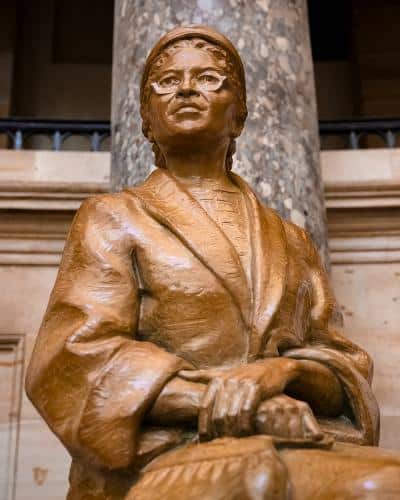
In the lesson How Should Rosa Parks’ Legacy Be Memorialized?, students learn a fuller story of Rosa Parks’ life and use that information to critique her statue at the U.S. Capitol and determine how they would memorialize her legacy.
When looking at the truth about Rosa Parks’ life, one sees the story of a lifelong activist, organizer, and militant. Yet the ways she has been memorialized tend to leave out the full story in favor of a sanitized version that upholds the myth of passive resistance.
Through this lesson, students explore the question: How should Rosa Parks be remembered?
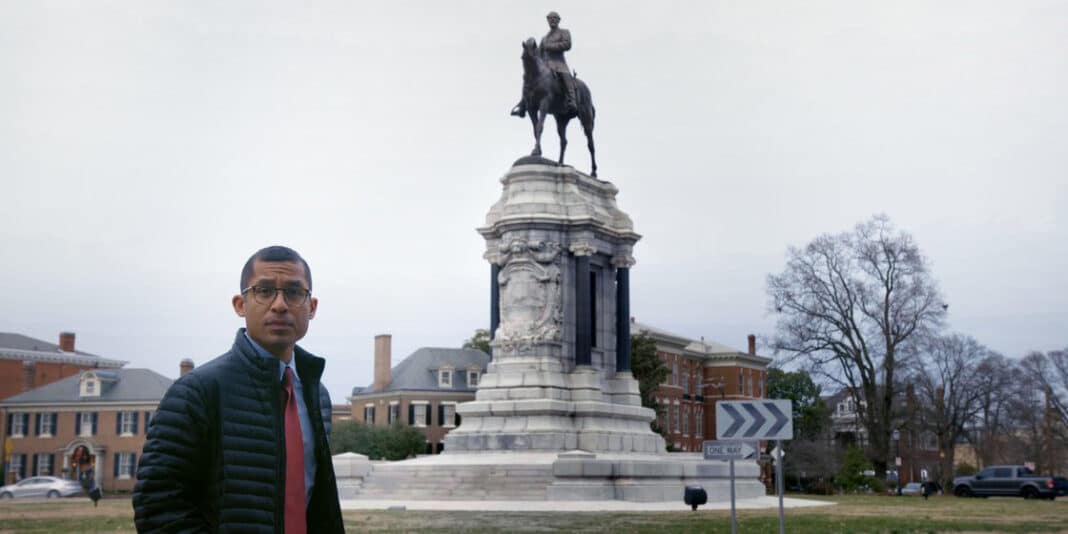
Middle school teacher, stand-up comic, and Daily Show correspondent C. J. Hunt made a brilliant, poignant — and, yes, funny — film about the movement to pull down monuments commemorating the Confederacy.
This classroom-friendly film is a testament to activism and organizing.
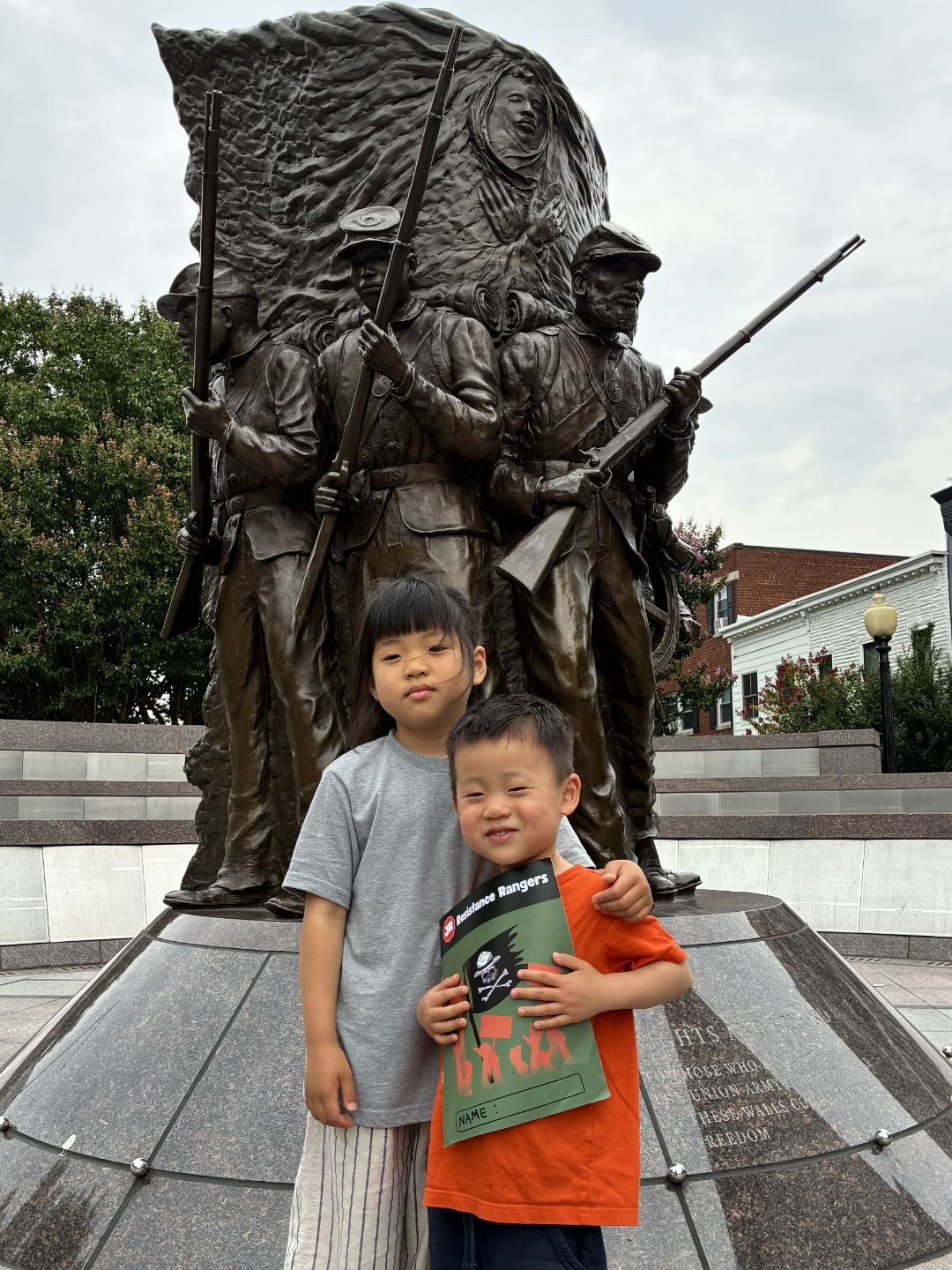
Are you going to any one of the 433 National Park Service (NPS) sites this summer? If so, download a Junior Resistance Ranger booklet and take a pledge. (Photo below at the National Park Service African American Civil War Memorial in Washington, D.C.)
Send us a photo and we’ll send you a badge. This is a great activity to do with young people this summer.
You can also download Junior Ranger booklets that are censored at the Arlington House and the Medgar and Myrlie Evers Home.
The Junior Resistance Ranger Summer Challenge is coordinated by the America433+ coalition, including the Resistance Rangers, Branch 4, Public School Strong, and the Zinn Education Project (Rethinking Schools and Teaching for Change). Learn more.
In light of this administration’s McCarthy-era tactics against Cubans and Americans, we recommend discussing the lessons that can be learned in the United States from Cuba’s youth and women-led literacy campaign.
Watch Maestra (Teacher), an uplifting 30-minute documentary.
Maestra tells the story of 100,000 Cuban teenagers, most of them girls, who participated in Cuba’s 1961 successful literacy campaign.
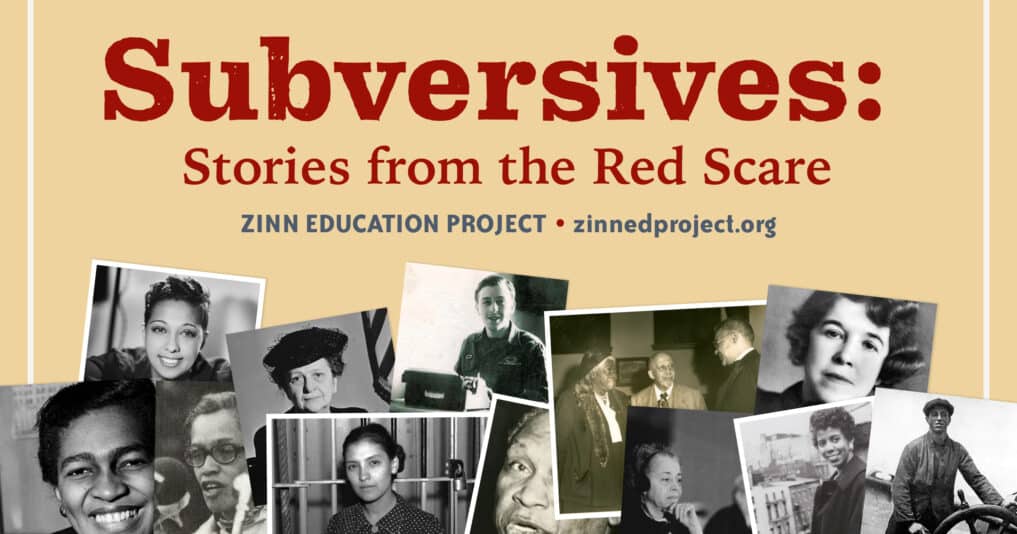
Teach about the Red Scare. In Subversives: Stories from the Red Scare, students meet 27 targets of government harassment and repression. They analyze why these disparate individuals became targets of the same campaign and determine what kind of threat they posed in the eyes of the U.S. government. Explore the lesson.
Want to keep people’s history lessons like this one in classrooms nationwide? Make a donation today.We rely on supporters like you.
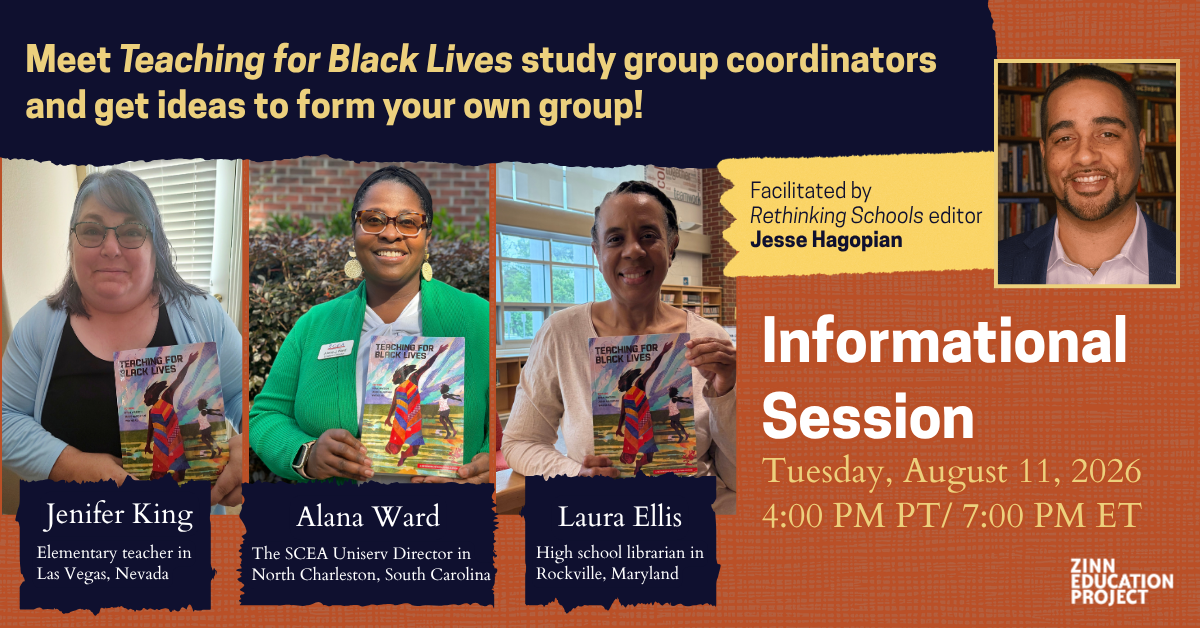
Are educators at your school or district looking for meaningful professional development and a supportive learning community?
Join us on Tuesday, August 11, for a 50-minute informational session where you’ll learn how to form a Teaching for Black Lives study groupin your school, district, or state.
Each group receives:
Teaching for Black Lives books
Rethinking Schools subscriptions
Study guides
Access to a network of social justice educators
and more!
Hear from study group coordinators, ask questions, and meet other educators in small groups. Facilitated by Jesse Hagopian, Teaching for Black Lives co-editor and Rethinking Schools editor. Learn more and register.
We Need Your Help
Teachers are under attack for teaching truthfully about U.S. history. Please donate so we can continue to offer free people’s history lessons and resources, and defend teachers’ right to use them.