Sign up for a toolkit, Prentiss Charney spotlight, and more.
If you're having trouble viewing this email, you cansee it online.
Coordinated by Rethinking Schools and Teaching for Change.
Teach Voting Rights in an Age of Authoritarianism
We are witnessing a vicious attack on voting rights and truthful education. History reminds us that we must organize to protect the gains won through generations of struggle. We can help young people see themselves as agents of change rather than spectators to politics.
We seek to make voting rights meaningful — not simply protecting access to the ballot box, but by helping young people understand how ordinary people can influence the decisions that affect their lives.
This call to action begins this September, with a focus on Constitution Day (September 17), and continues through Election Day. Educators across the country will teach about voting, the Constitution, and how to get out the vote and expand voting rights.
We offer voting rights teaching toolkits — including a sample lesson, gallery walk, SNCC Legacy Project booklet, poster, and information sheets — while supplies last.
Will you commit to teaching truthfully about voting rights and the Constitution this year?
Attempts are underway to sabotage this November’s elections.
Help us send 500 voting rights toolkits to classrooms across the country.Every dollar helps us put more voting rights toolkits into the hands of educators and students.
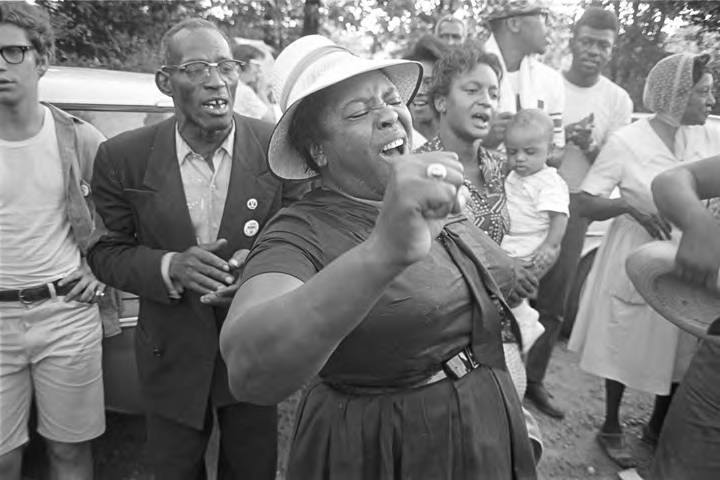
First lesson: Students consider what makes a “qualified” voter based on a close reading of Fannie Lou Hamer’s oral history.
Second lesson: Students predict how policymakers might restrict the right to vote for certain groups to thwart movements and laws that expanded voting rights.
Third lesson: Students learn about numerous people whose voting rights were granted or denied, from the colonial era to the present.
In a culminating activity, students design a Voting Rights Act for the 21st century.
“Who Gets to Vote?”led my students to reconsider the value of their voice in federal and local elections. I taught it on election day and I believe that it inspired many of them to vote in the election, some of whom left for the polls straight from school!
—Mike DeSalvo, high school social studies teacher, Lakewood, Ohio
Prentiss Charney Fellowship
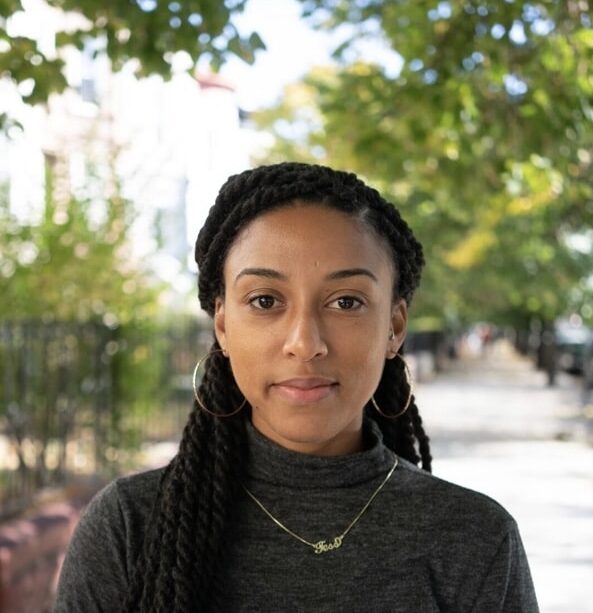
Spotlight on Tess Raser
The Zinn Education Project hosts the Prentiss Charney Fellowship to support a cohort of people’s history educator leaders to study, learn, and organize. Today we celebrate fellow Tess Raser.
As a Prentiss Charney fellow, Tess developed curriculum on the Student Nonviolent Coordinating Committee (SNCC) to use with middle and high school students. She pored over primary sources, reread secondary texts, and facilitated a monthly SNCC book club — which helped her identify critical questions to guide her curriculum.
The fellowship “connected me to other educators who share my commitment to decolonial and anticapitalist pedagogy,” Tess says.
We are lucky to teach, learn, and organize alongside Tess and all the Prentiss Charney Fellows. Consider a donation to continue and expand the fellowship in memory of education activist and union leader Michael Charney and leading Ohio education lawmaker, C. J. Prentiss.
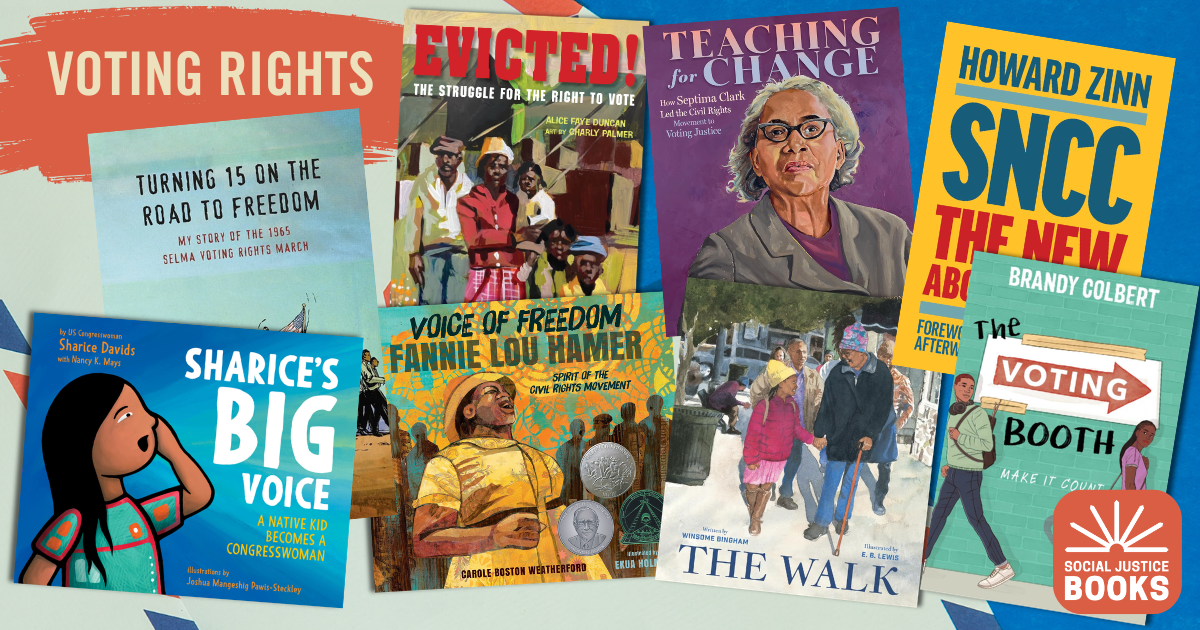
Check out the list from Teaching for Change’s Social Justice Books of recommended titles for all grades on the long and ongoing struggle for voting rights. The list also includes background reading for adults.
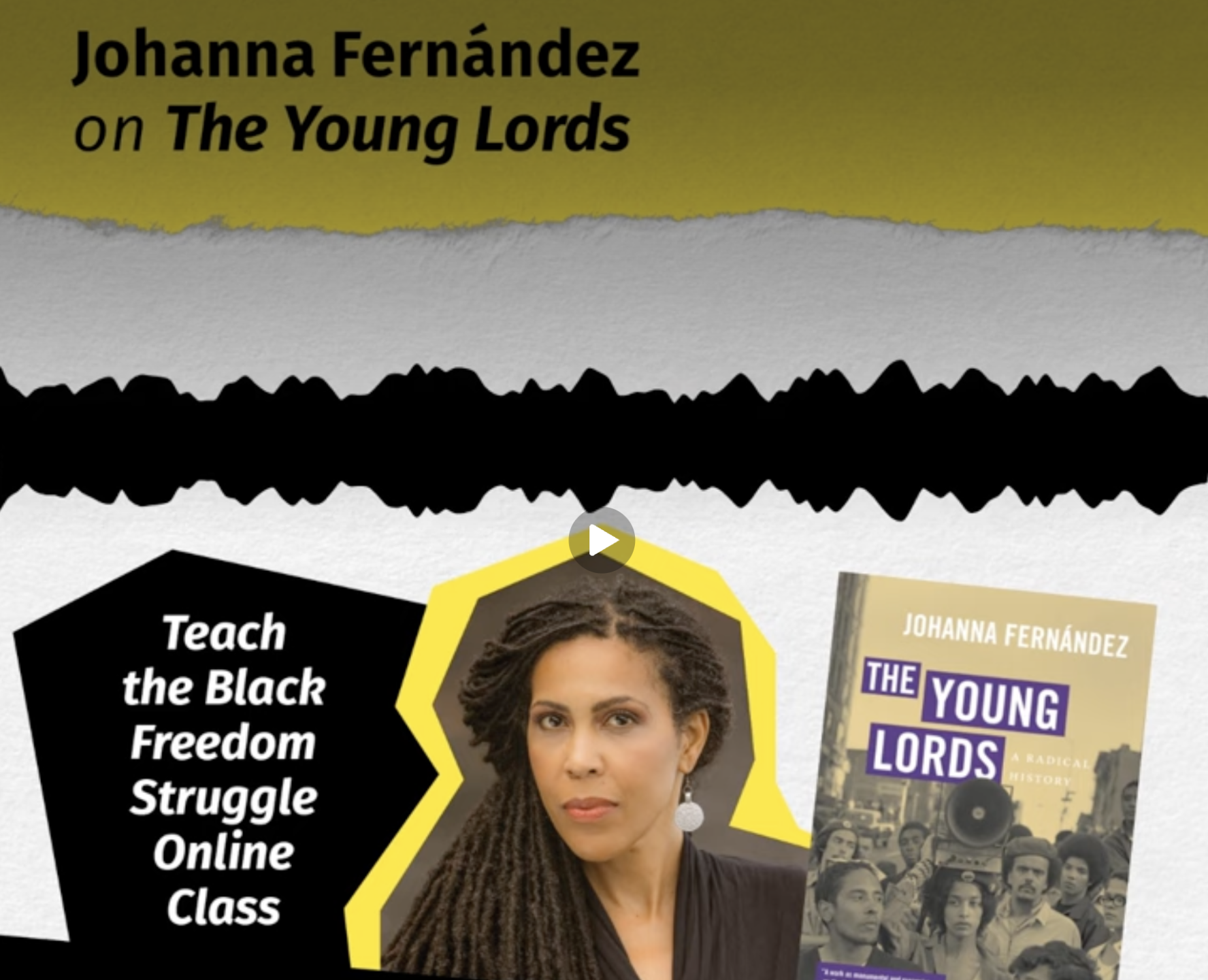
Johanna Fernández ¡Presente!
Johanna Fernández, Dominican American historian, prison abolitionist, and movement scholar, passed away on July 30, 2026. As historian Jeanne Theoharis said, “It feels unthinkable that Johanna Fernández has died. The ancestors have gained a fierce warrior.”
Artist and writer Molly Crabapple wrote:
Dr. Fernández was a model of how academics can break out of the academy. She believed knowledge was a birthright and delivered radical, rigorous thought to the sort of people that institutions love to exclude, with swagger and without condescension. May a legion more follow in her footsteps.
Listen to the recording of our 2022 Teach the Black Freedom Struggle class with Fernández on her book, The Young Lords: A Radical History.
On Monday, September 28, join Rethinking Schools editor Jesse Hagopian in conversation with historians Aaron G. Fountain Jr. and Jon N. Hale about student organizing and state repression.
Teachers are under attack for teaching truthfully about U.S. history. Please donate so we can continue to offer free people’s history lessons and resources, and defend teachers’ right to use them.




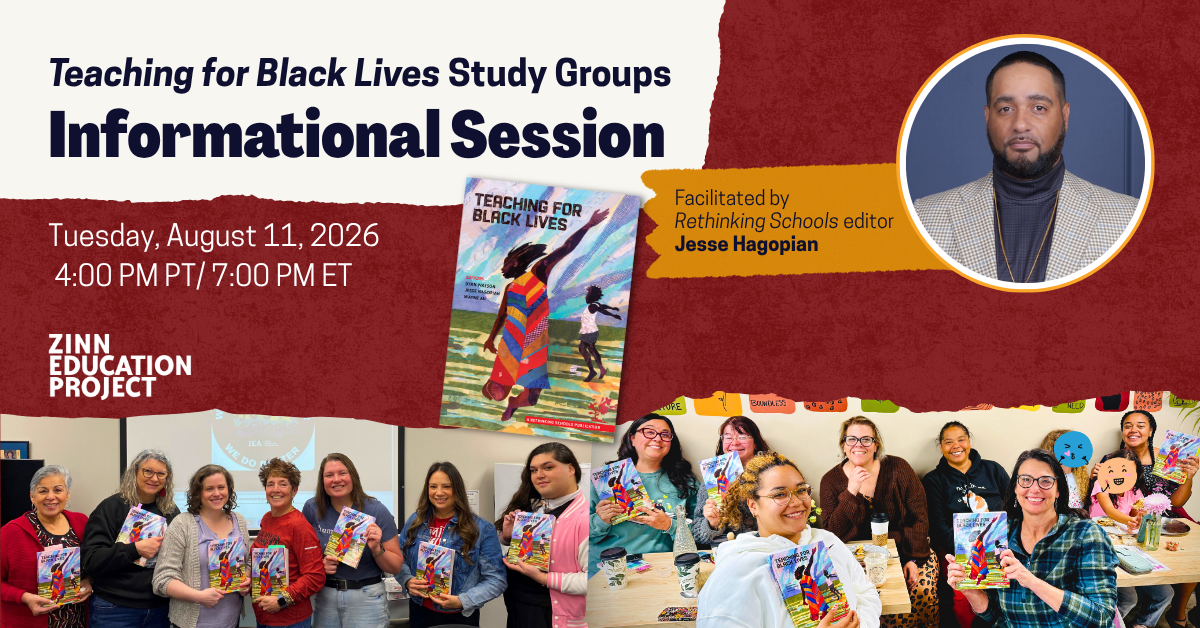 Are educators at your school or district looking for meaningful professional development and a supportive learning community?