Free lessons, voting rights teaching toolkits, classes, and more
If you're having trouble viewing this email, you cansee it online.
Coordinated by Rethinking Schools and Teaching for Change
Defend Democracy
Teach About Voting Rights
To contribute to national efforts to get out the vote and defend the elections, middle and high school teachers around the country are committing to teach about voting rights and the Constitution this fall. Here are a few of their reasons why:
I want my students to feel that history is something they are part of and that their voices matter.— high school social studies teacher, Selden, New York
I want students to learn that voting is a right that many people gave their blood, sweat, and tears to earn, and how we should honor their legacy through civic engagement. — high school social studies teacher, Clayton, North Carolina
My goal is to contribute to a high level of urgency for students to register and vote in the November election. — high school social studies teacher, Meridian, Mississippi
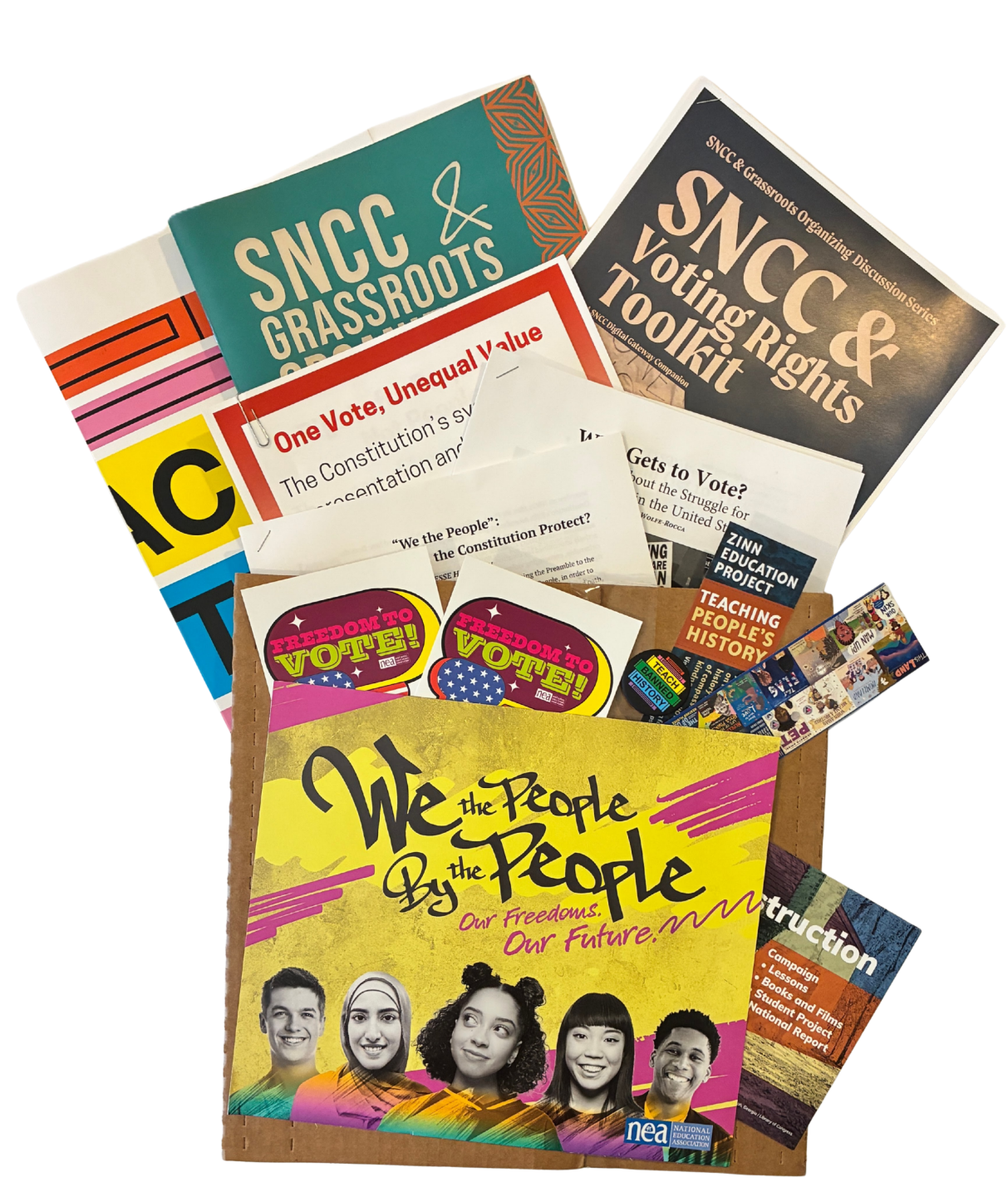
Teachers who sign up receive a free Voting Rights Teaching Toolkit that includes classroom lessons, gallery walks, posters, stickers, infographics, and more on voting, the Constitution, and the fight for democracy.
Popularlast year on Constitution Day, the lesson helps students consider whose rights the Constitution has protected, who has been excluded, and how people have fought to make those rights real.
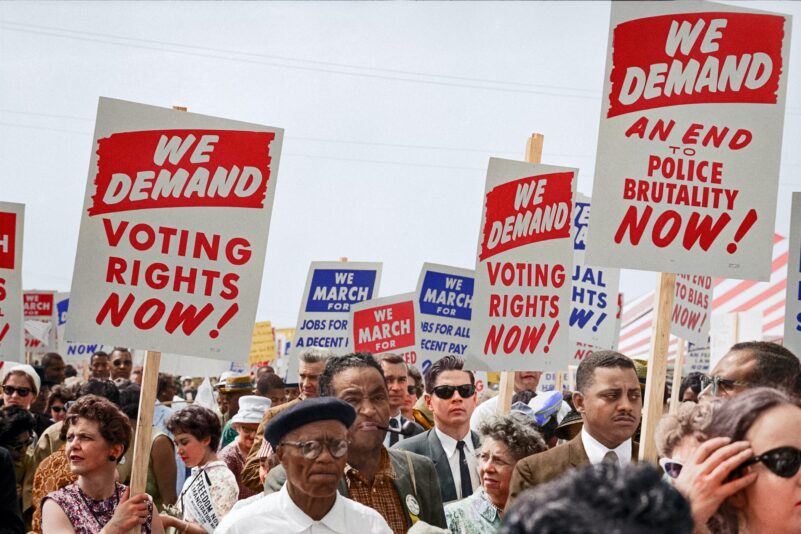
The March on Washington
1963 Anniversary
Original black-and-white negative by Marion S. Trikosko; Library of Congress. Colorized by Jordan J. Lloyd.
On August 28, 1963 — the anniversary of the murder of Emmett Till — leaders of 10 organizations published the “March on Washington for Jobs and Freedom Statement and Demands.” The statement included the demand for “comprehensive and effective civil rights legislation to guarantee all Americans the right to vote.”
To introduce students to a people’s history of the March on Washington, use high school teachers Jessica Lovaas and Adam Sanchez’s lesson that begins not on the Mall, but in eight cities where organizers prepared to travel to the nation’s capital in August 1963.
The challenges and victories in these cities shaped organizers’ demands for the March, including labor rights, voting rights, quality education, and more.
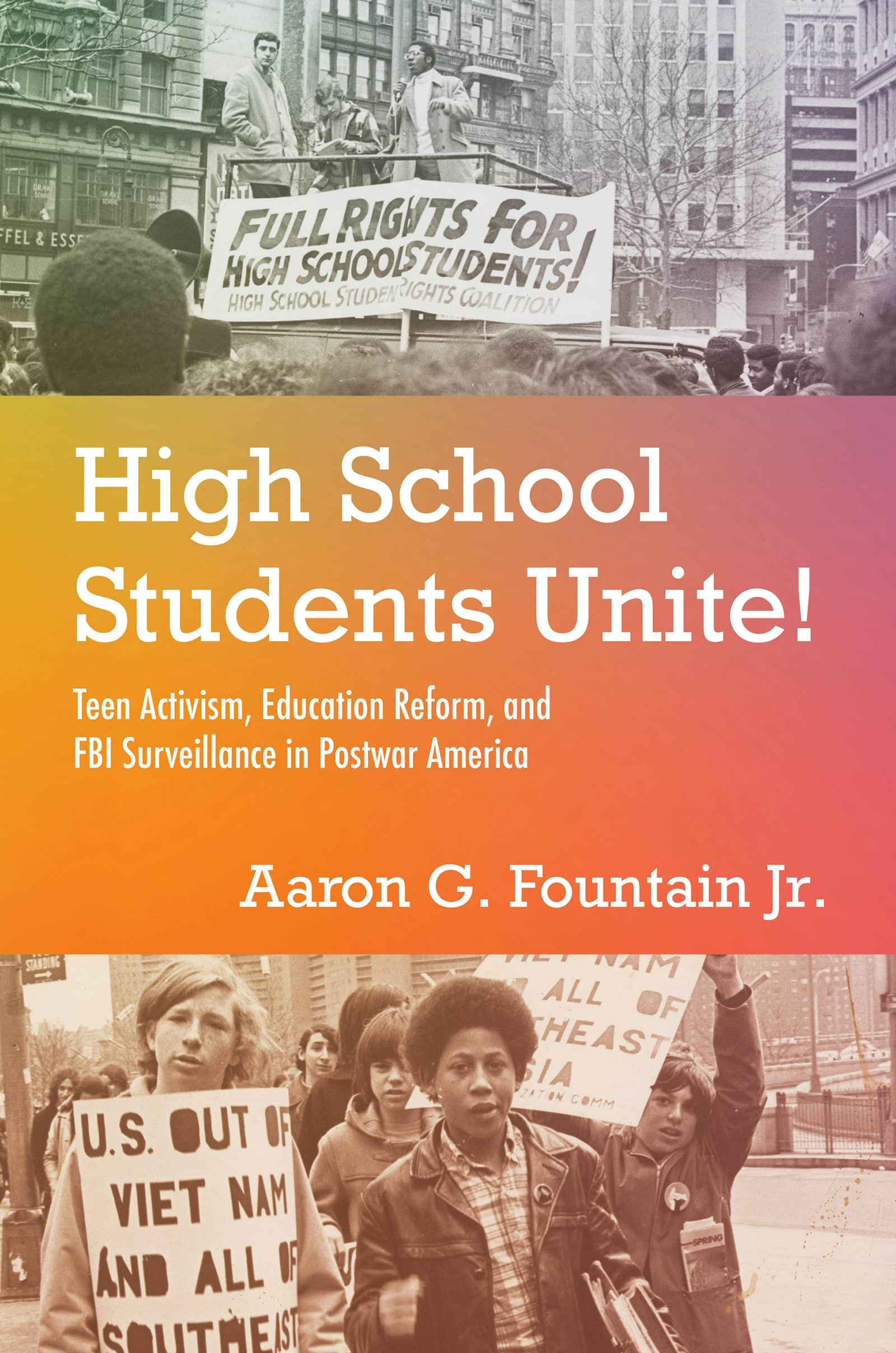
On Monday, September 28, join Rethinking Schools editor Jesse Hagopian in conversation with historians Aaron G. Fountain Jr. and Jon N. Hale about student organizing and state repression.
High school activists in the 1960s and 1970s became powerful agents of change as they organized to defend and expand voting rights — while also fighting for school reform, constitutional rights, and more.
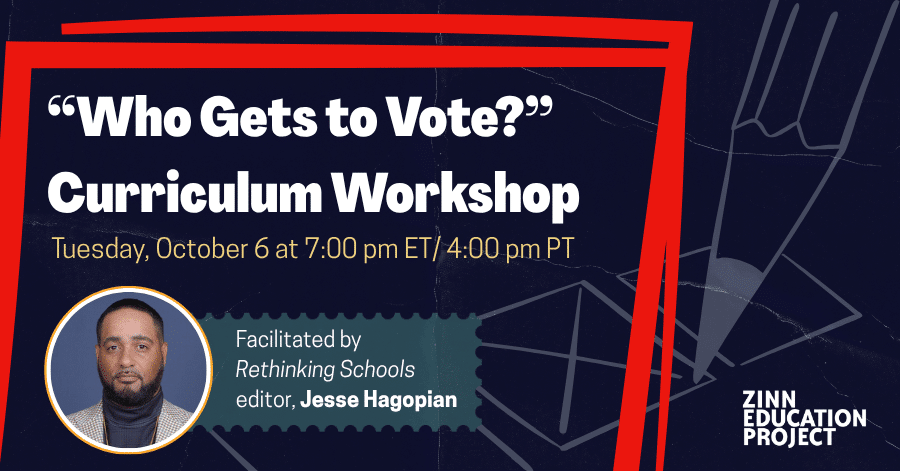
On Tuesday, October 6, join the “Who Gets to Vote?” curriculum workshop introducing educators to a voting rights lesson that includes people with firsthand experience having their voting rights granted or denied.
Participants will have an opportunity to meet in groups with other social justice educators to discuss ways to address this topic in their own teaching. Learn more and register.
Teachers are under attack for teaching truthfully about U.S. history. Please donate so we can continue to offer free people’s history lessons and resources, and defend teachers’ right to use them.



.png)