Free lessons on labor history, This Day in People's History, free book offer, and more
If you're having trouble viewing this email, you cansee it online.
Coordinated by Rethinking Schools and Teaching for Change
Labor Day Solidarity
Labor Day is a time to remind ourselves of the importance of solidarity — that progress comes when people recognize that we need each other and act together on that recognition.
One aim of today’s right-wing attacks on history is to stop young people from learning about the rich legacy of workers acting for justice — and for one another. It’s no surprise that people of wealth and power are threatened by education that explores grassroots efforts to challenge exploitation and to build a better world.
The Zinn Education Project offers free lessons on labor history and campaigns for teachers’ right to teach.
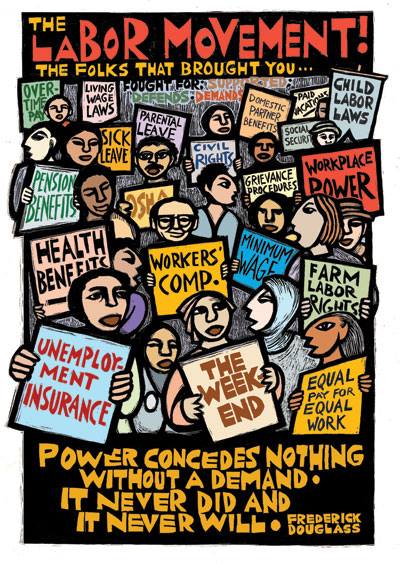
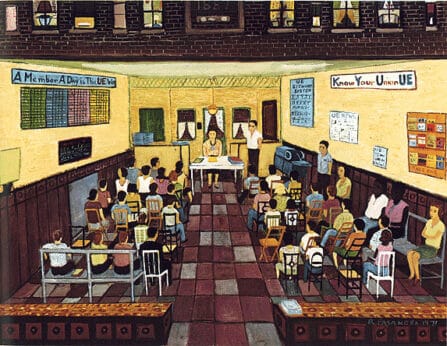
Find examples below of free lessons and other resources about labor history — interracial solidarity, feminism, “organize the unorganized,” environmental justice and health & safety, immigration, workers’ rights — including “This Day in People’s History” stories.
This curriculum introduces students to the Homestead Strike, the Academy Award-nominated film Union Maids, the Southern Tenant Farmers’ Union, the Wobblies, “scientific management,” the impact of racism on labor organizing, labor rights, and more — with complete lesson instructions and handouts.
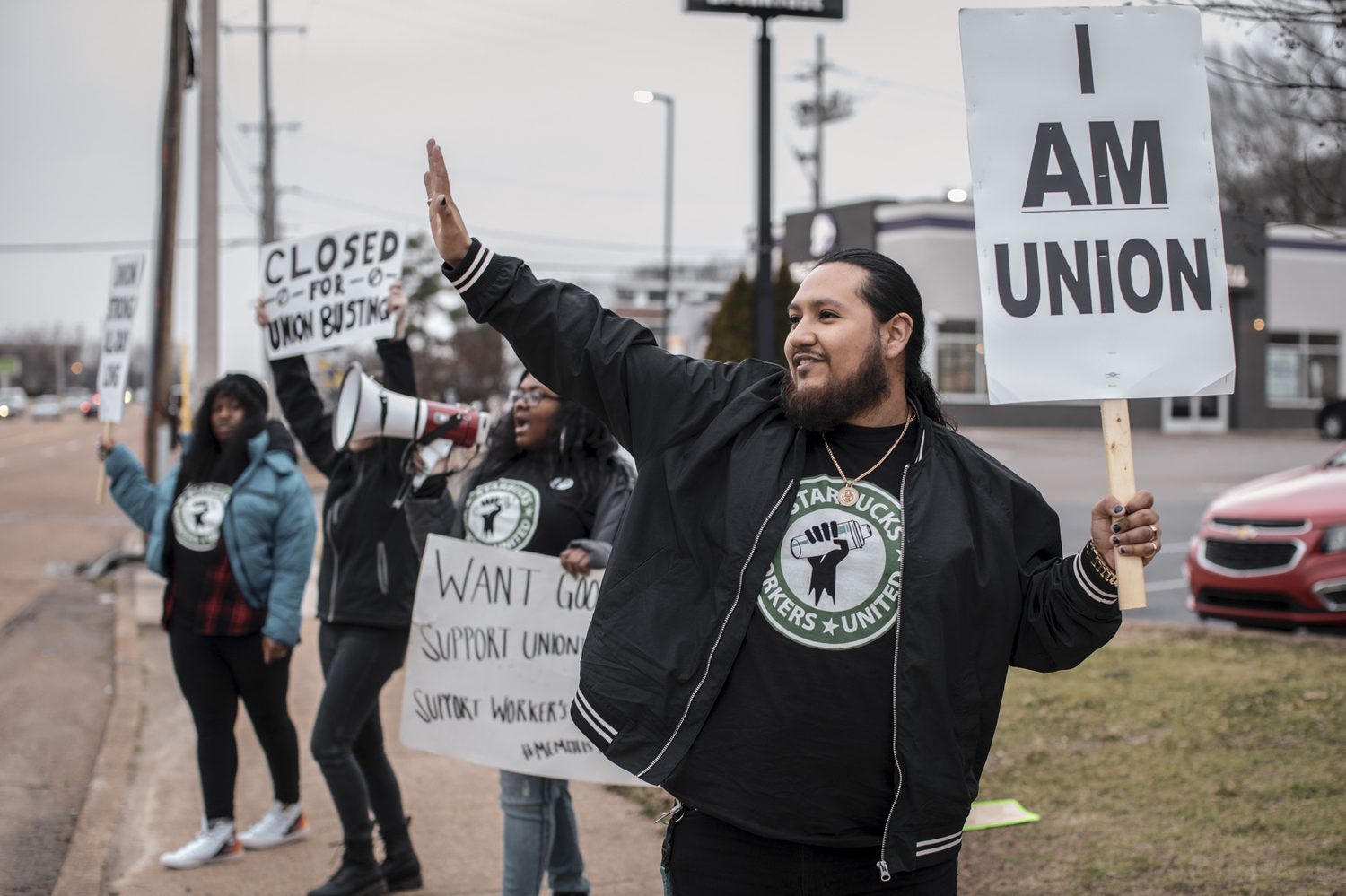
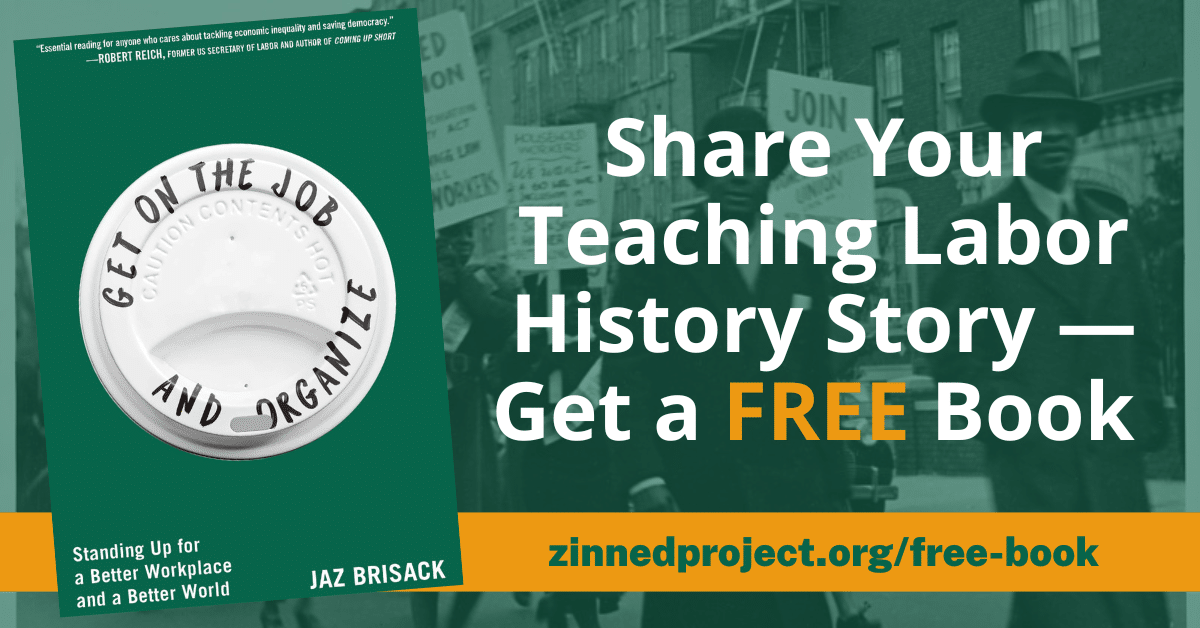
In “‘Starcups Workers Unite!’ — Students Learn Their Workplace Rights” by Nicolle Fefferman, students engage in a simulation of a National Labor Relations Board union election based on the Starbucks Workers United organizing.
This book is a love letter to labor organizing, at once earnest and hard-nosed. Brisack takes us inside Starbucks Workers United, offering an in-depth look at what a worker-led campaign can look like — the ups and downs, headaches, and heartbreaks. Their devotion shows on every page, as do practical calculations of power and strategy. The labor movement could use 1,000 more just like them. — Sarah Jaffe, author of Work Won’t Love You Back and From the Ashes
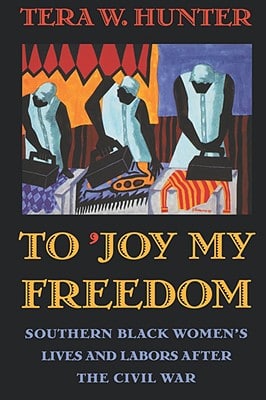
Black women in Atlanta who washed clothes for a living organized an effective Reconstruction-era strike — with demands, strategic timing, and door-to-door canvassing.
They sought higher pay, respect, and autonomy over their work and established a uniform rate of pay. With the help of the city’s Black ministers, they held a mass meeting and called a strike to achieve higher pay at the uniform rate.
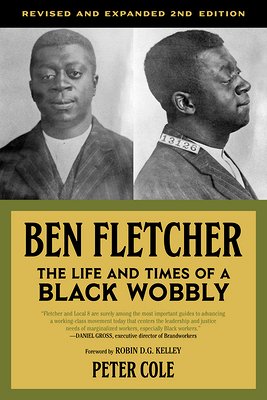
More than 4,000 Philadelphia longshore workers went on strike and shut down one of the busiest U.S. ports. During their strike, they joined the Industrial Workers of the World (IWW), a revolutionary union committed to racial equality and socialism.
They were led by Ben Fletcher — a brilliant organizer, humorous speaker, and the most prominent African American in the IWW.
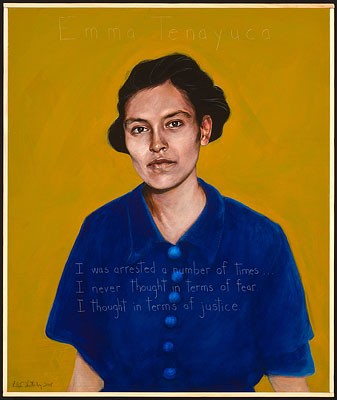
Twelve thousand pecan shellers marched out of San Antonio factories to demand better working conditions and higher wages. They elected Emma Tenayuca as their strike leader.
Later, as a result of anti-Mexican, anti-Communist, and anti-union propaganda, Tenayuca fled Texas for her safety. Eventually, she returned to San Antonio to work as a teacher.
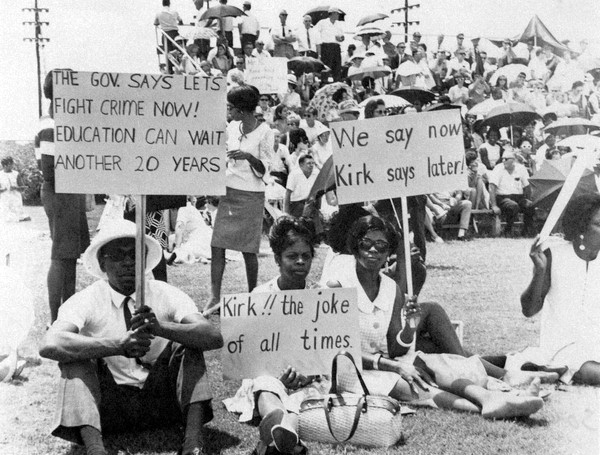
More than 27,000 teachers and administrators from the Florida Education Association handed in resignation letters and walked out. It was the first statewide teachers strike in the United States.
“Buoyed by the civil rights struggle of the ’60s, the teachers saw 1968 as the time to engage in a radical fight against a system that had little concern for the education of Florida’s children.”
Textbooks and media often ignore women’s activism in labor history, despite the many roles women have played to organize, unionize, rally, document, and inspire workers.
From championing better workplace conditions, to cutting back the 12-hour workday, to demanding equal pay across racial lines, women have made substantial contributions to the labor movement.
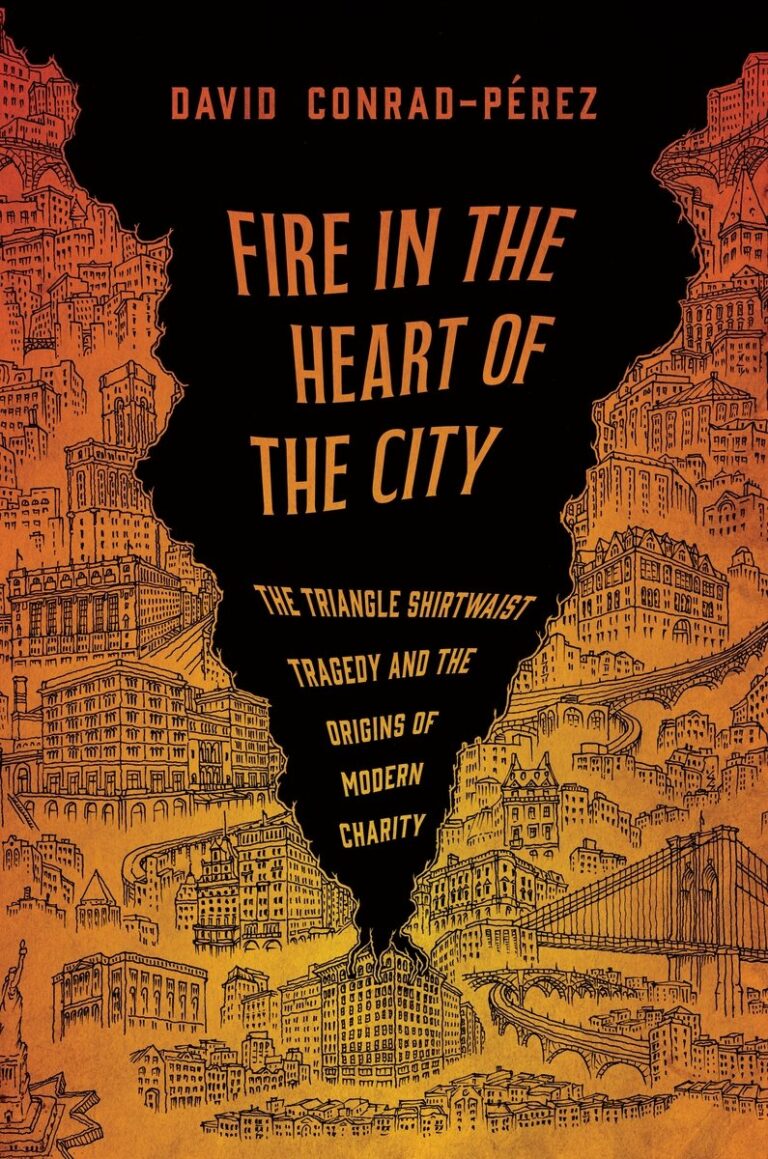
This book shakes up what we thought we knew about the Triangle Shirtwaist Factory fire. It offers a critical history of labor organizing, philanthropy, and the media, with a focus on The New York Times.
Drawing on newly released archival documents, interviews with the descendants of Times publisher Adolph Ochs and New York labor organizers, previously confidential reports, and long-overlooked diaries and correspondence, historian and former journalist David Conrad-Pérez offers a striking new account of the disaster and its aftermath.
Check out these events hosted by the Zinn Education Project, our coordinating organizations (Rethinking Schools and Teaching for Change), and colleagues.
TheTeach the Black Freedom Struggleonline series combines live access to leading people’s historians, structured reflection in small groups, and an ongoing national community committed to truth and historical justice.
Join educators, students, and community members committed to teaching truth and building a more just world. ASL interpretation and professional development certificates provided. Learn more and register.
Friday, October 2 – Saturday, October 3, join Fall of Freedom, a weekend of creative resistance and artistic defiance against authoritarian forces, censorship, and threats to free expression. It features exhibitions, performances, readings, screenings, and public actions.
Initiated by a group of prominent writers, artists, and cultural workers, this national event expands the reach of creative resistance across disciplines and communities. Virtual and in-person. Learn more and register.
Bob Moses Legacy Conference
Friday, October 2 – Sunday, October 4th, join a three-day conference at the Equal Justice Initiative’s Legacy Museum sites in Montgomery, Alabama. This year’s theme is “Remaking America: The Work Before Us,” and the conference has been selected to participate in the 45th anniversary of the MacArthur Fellows Program.
The conference will feature a conversation with MacArthur Fellows Bryan Stevenson and Ellen Barry, two individuals at the forefront of the struggle against mass incarceration.Learn more and register.
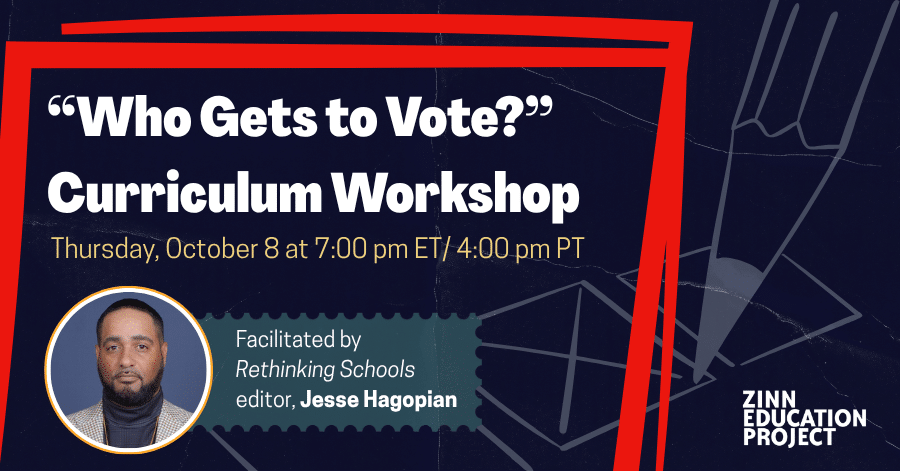
On Thursday, October 8, join the “Who Gets to Vote?” curriculum workshop introducing educators to a voting rights mixer role play that includes people with firsthand experience having their voting rights granted or denied. Participants will have an opportunity to meet in groups with other social justice teachers from across the country to discuss ways to address this topic in their own teaching. Learn more and register.
On Saturday, October 17th, attend the 19th Annual Northwest Teaching for Social Justice Conference — co-sponsored by Rethinking Schools — at Lindbergh High School in Renton, Washington (near Seattle).
Workshop leaders include Rethinking Schools editors Wayne Au, Linda Christensen, Grace Cornell Gonzales, and Ursula Wolfe-Rocca, and Prentiss Charney Fellows Julia Kirkpatrick and Suzanna Kassouf.
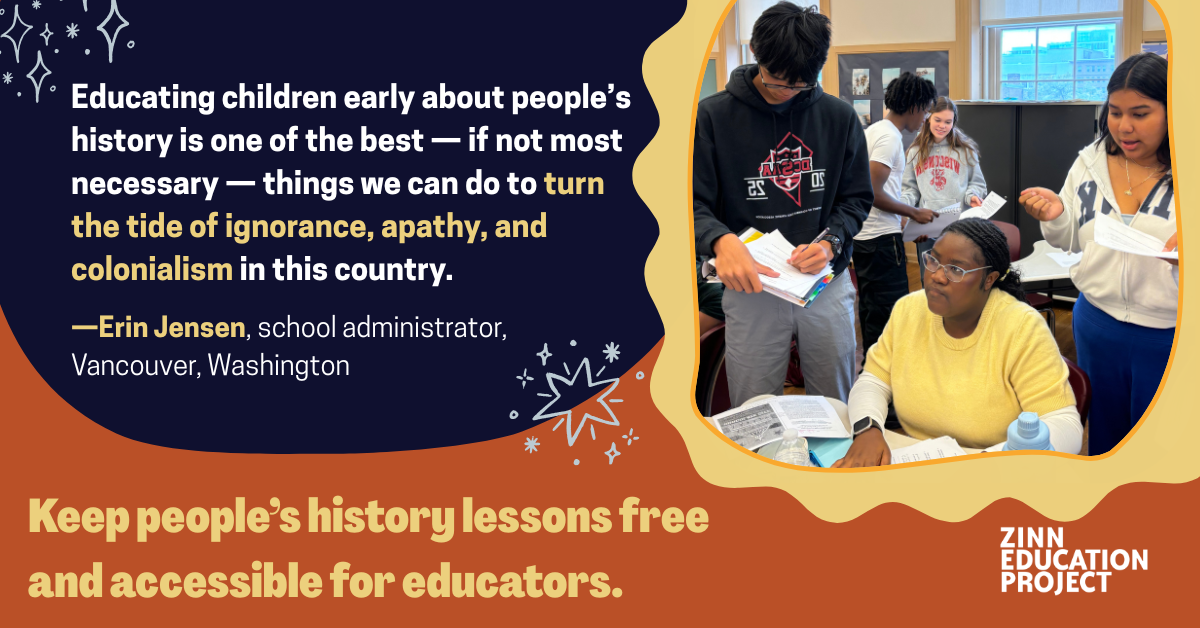
Teachers are under attack for teaching truthfully about U.S. history. Please donate so we can continue to offer free people’s history lessons and resources, and defend teachers’ right to use them.



.png)