Recommended lessons, books, films, events for social justice educators, and more
If you're having trouble viewing this email, you cansee it online.
Coordinated by Rethinking Schools and Teaching for Change
Indigenous Peoples’ Day
Christopher Columbus introduced slavery and colonialism to the Americas, launched a genocide of Indigenous peoples, and waged war on nature. No wonder Donald Trump has made restoring Columbus’ reputation a priority. In this term, he has issued a proclamation to “reclaim” Columbus’ legacy, declared Columbus a “true American hero,” and installed a statue of him on the White House grounds.
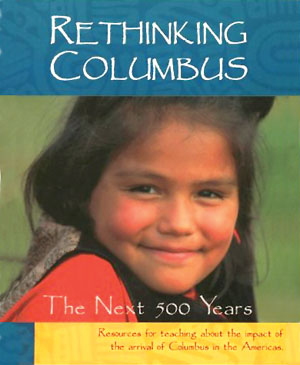
At the same time, the movement to expose Columbus’ true legacy continues to grow. Since the late 1980s, teachers have developed and shared curriculum that helps students learn the truth about the arrival of Europeans in the Americas and to understand the peoples who were here first.
The Zinn Education Project has collected and features some of this curriculum below. We hope that teachers of conscience commemorate Indigenous Peoples’ Day by teaching critically about the so-called Discovery of America and about Indigenous struggles past and present.
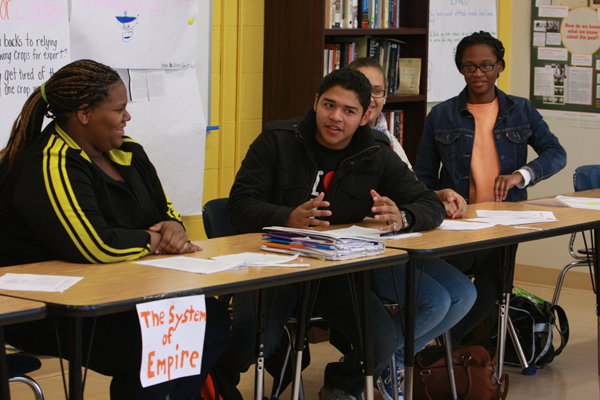
Not only do students learn the extent of the atrocities committed by Spanish colonizers, they also engage in higher order thinking on the factors that cause historical atrocities to occur.
I LOVE how “the system of empire” is one of the options for students to blame or defend. This has generated some of the most challenging discussions I’ve seen in my class.— Lena Amick, social studies teacher, Baltimore
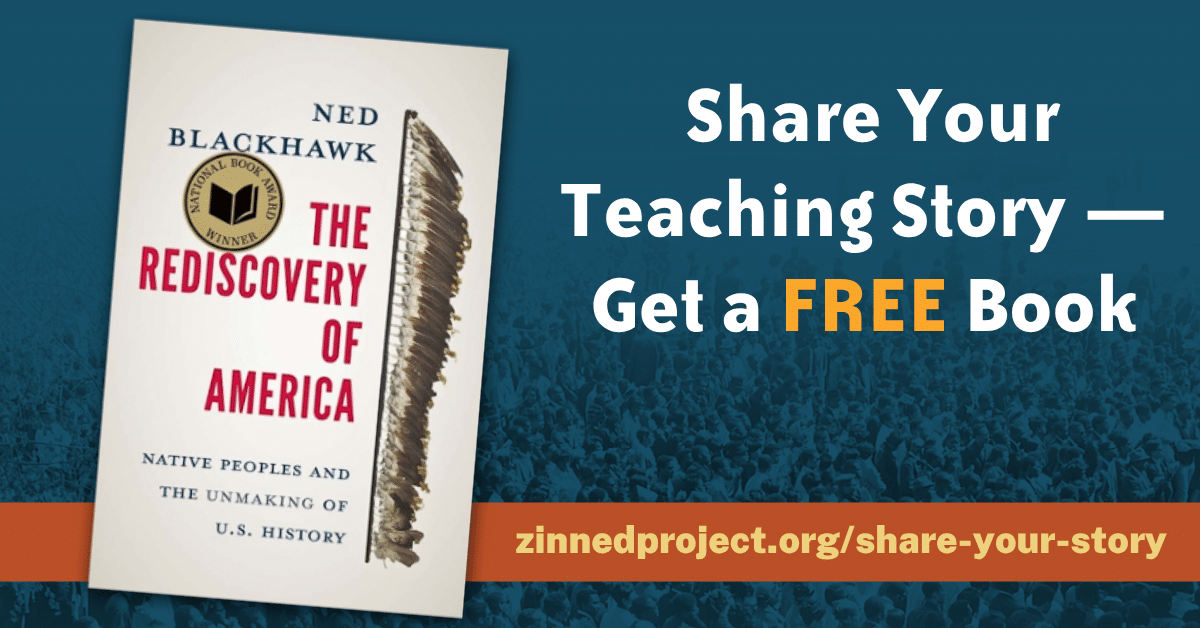
We’d love to hear from you when you use the lesson. In appreciation for your feedback, we’ll send you a people’s history book.
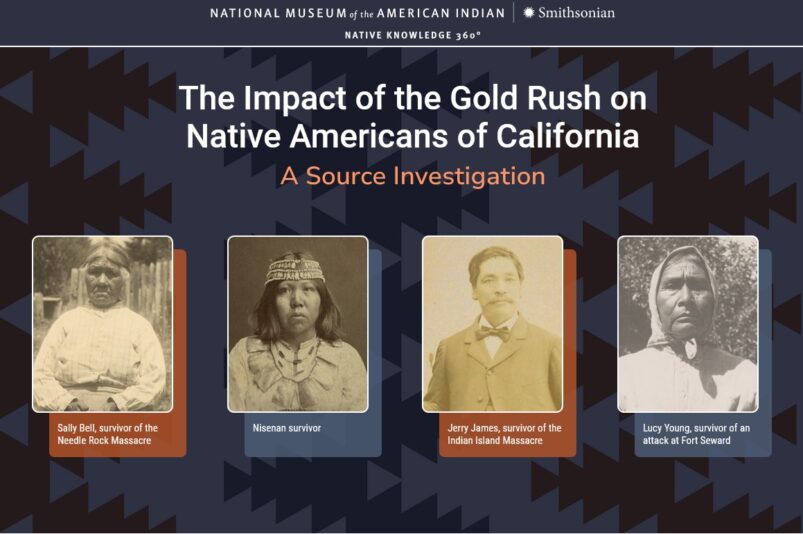
This lesson provides primary sources, maps, images, and background history to offer insight into a little-known but important aspect of one of the most iconic events in U.S. history — the California gold rush.
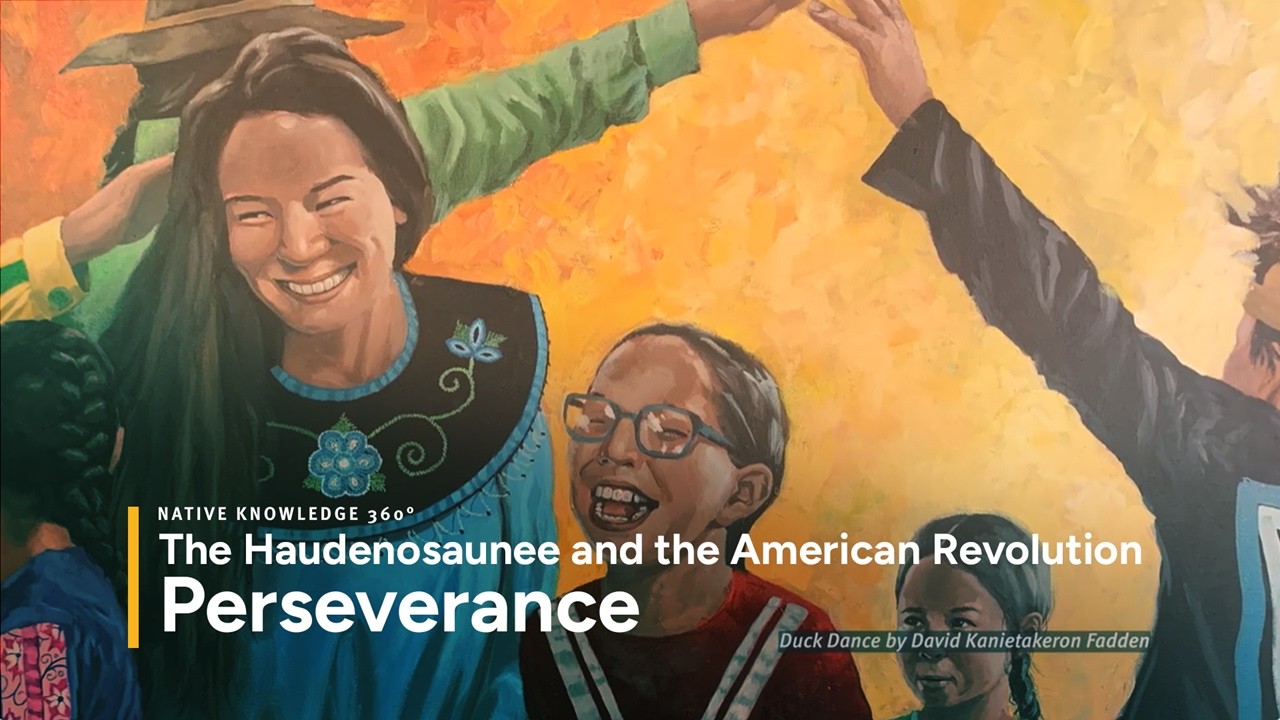
Using this digital inquiry book, students build evidence-based responses to the question: “In what ways did the Haudenosaunee persevere through and after the American Revolution?”
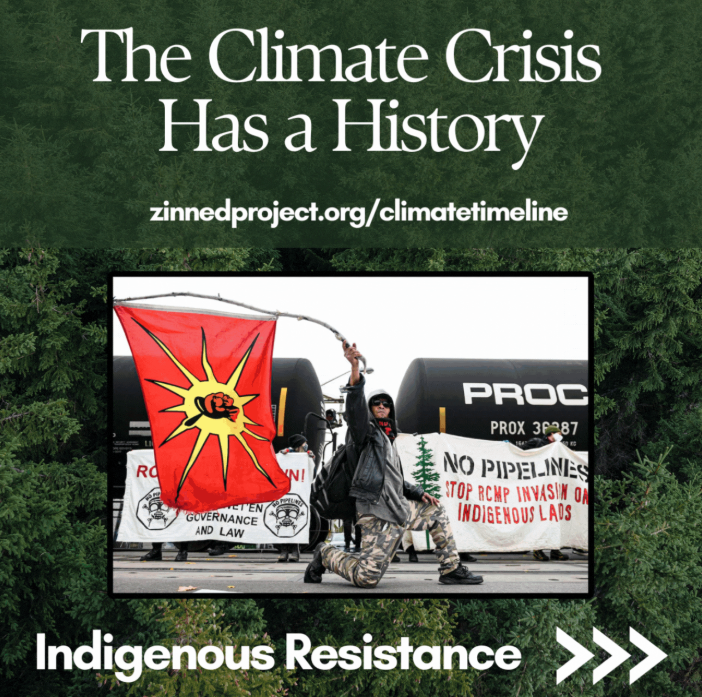
Indigenous Resistance
Climate Crisis Timeline
As young people study the climate crisis, they can draw ideas and inspiration from stories of Native American resistance on our Climate Crisis Timeline.
Columbus in Americais the best and most comprehensive film on the history of Columbus — and the uses and abuses of the so-called discovery of America.
Ultimately, the film is hopeful, as it focuses on how the victims of Columbus and those who came after have themselves targeted “Columbus in America” to assert their humanity, history, and rights. The film is free online. Read more.
First America, a six-episode narrative podcast and essay series, is written and reported by Cherokee journalist Rebecca Nagle. The series features leading Native scholars and historians including Ned Blackhawk, Maggie Blackhawk, Phil Deloria, and Nick Estes.
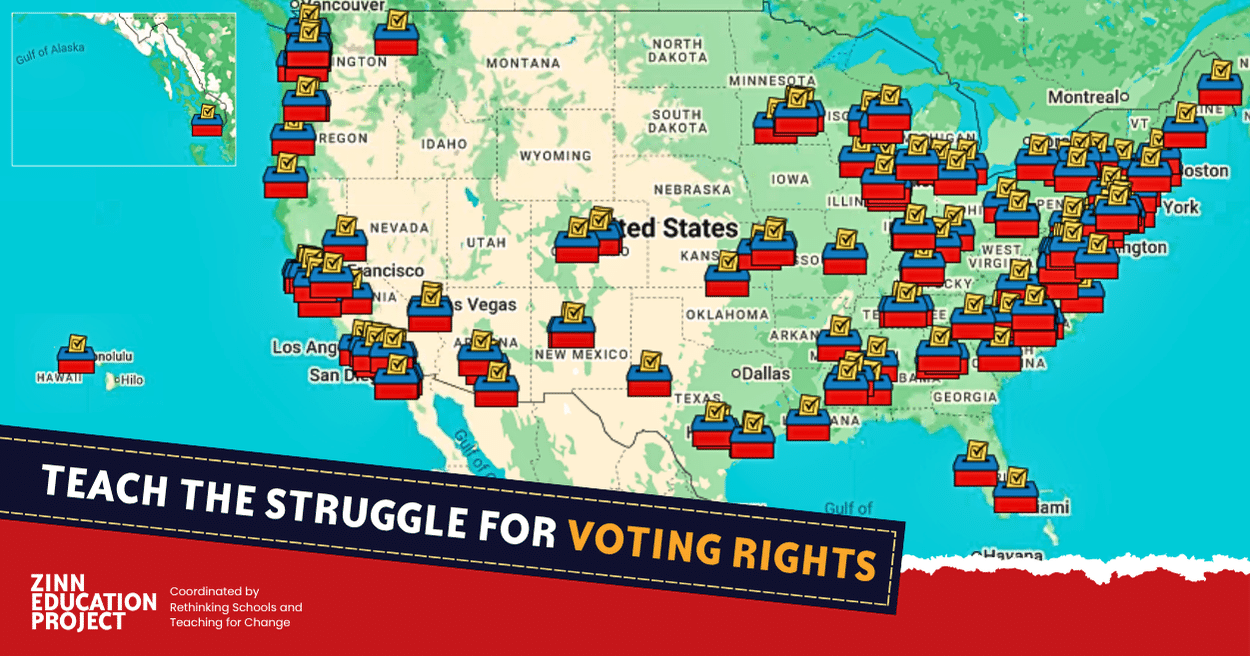
Teachers around the country are requesting our Voting Rights Teaching Toolkit to help young people see voting as part of a broader effort to improve their lives and communities — and to see themselves as agents of change rather than spectators to politics. The National Education Association printed the lessons, voting rights organizations provided additional resources, and individual donors are contributing to the cost of shipping.
Here are a few of the comments from teachers who requested the toolkits:
Locally, our borough assembly is anti-education and has been withholding funds leading to massive teacher layoffs in our district. I’ve already started working with NEA Campaign Lab to elect pro-public education candidates and improve the public perception of education in Ketchikan, Alaska. We need to teach our students early about the importance of voting and educating yourself on the platforms of candidates and choosing the issues that matter most to you.— Middle school special education teacher, Ketchikan, Alaska
The families of English learners are really struggling right now with their rights, given ICE activity in our area. I would like to emphasize what is supposed to happen in a democracy, and the history of how we formed our government and democratic norms. — Elementary ESL teacher, Sharon, Massachusetts
Many of my students, as well as their parents, live in poverty and also are illiterate. They rely heavily on community resources to survive. Being informed and able to vote would be very relevant to these families and my students.— Teacher educator, Richmondville, New York
We need your support to send more.
Make a donation todayto send more voting rights teaching toolkits to classrooms nationwide.
Check out these events hosted by the Zinn Education Project and our coordinating organizations (Rethinking Schools and Teaching for Change).
On Wednesday, October 14, join Rethinking Schools and Race Forward for a free virtual political education training and discussion about social justice unionism.
Examining North Carolina as a case study, guest speaker Bryan Proffitt will offer building-level organizing tools and strategies to help harness power in schools, unions, and beyond. Learn more and register.
On Saturday, October 17th, attend the 19th Annual Northwest Teaching for Social Justice Conference — co-sponsored by Rethinking Schools — at Lindbergh High School in Renton, Washington (near Seattle).
Workshop leaders include Rethinking Schools editors Wayne Au, Linda Christensen, Grace Cornell Gonzales, and Ursula Wolfe-Rocca, and Prentiss Charney Fellows Julia Kirkpatrick and Suzanna Kassouf. Learn more and register.
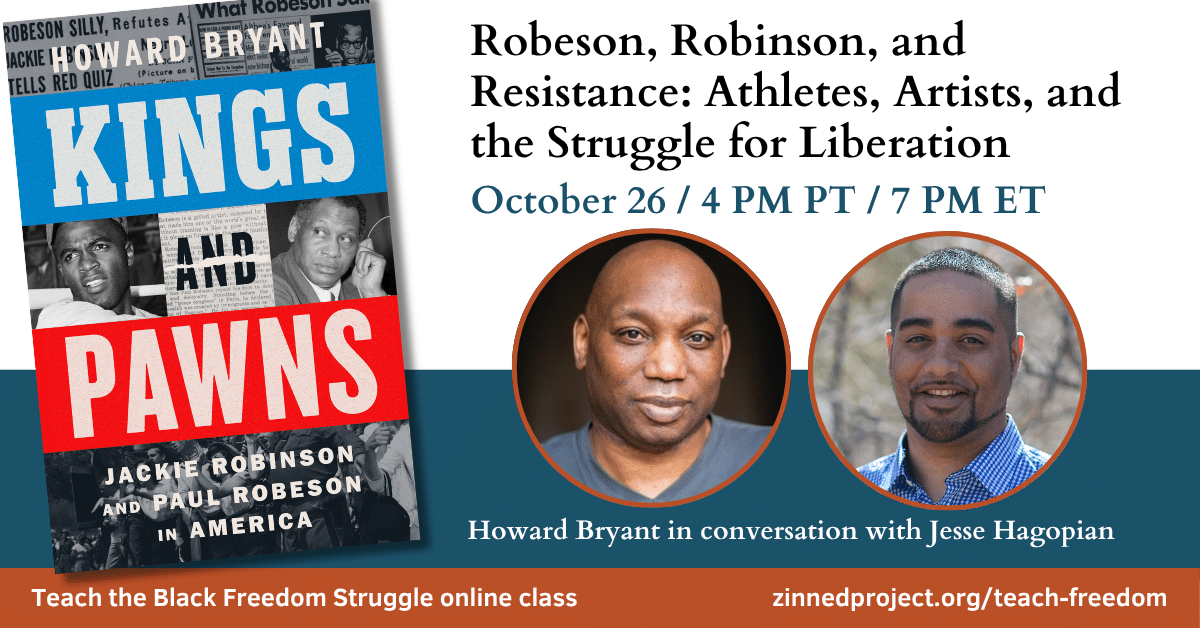
On Monday, October 26, join Rethinking Schools editor Jesse Hagopian in conversation with author Howard Bryant about his book Kings and Pawns: Jackie Robinson and Paul Robeson in America, which tells the untold story of sports and fame, Black life in the United States, and the promise of integration during the Cold War.
Teachers are under attack for teaching truthfully about U.S. history. Please donate so that we can continue to offer free people’s history lessons and resources, and defend teachers’ right to use them.



.png)




(1).png)