Free lesssons, classes, digital resources, and more.
If you're having trouble viewing this email, you cansee it online.
Whose Side Are They On?
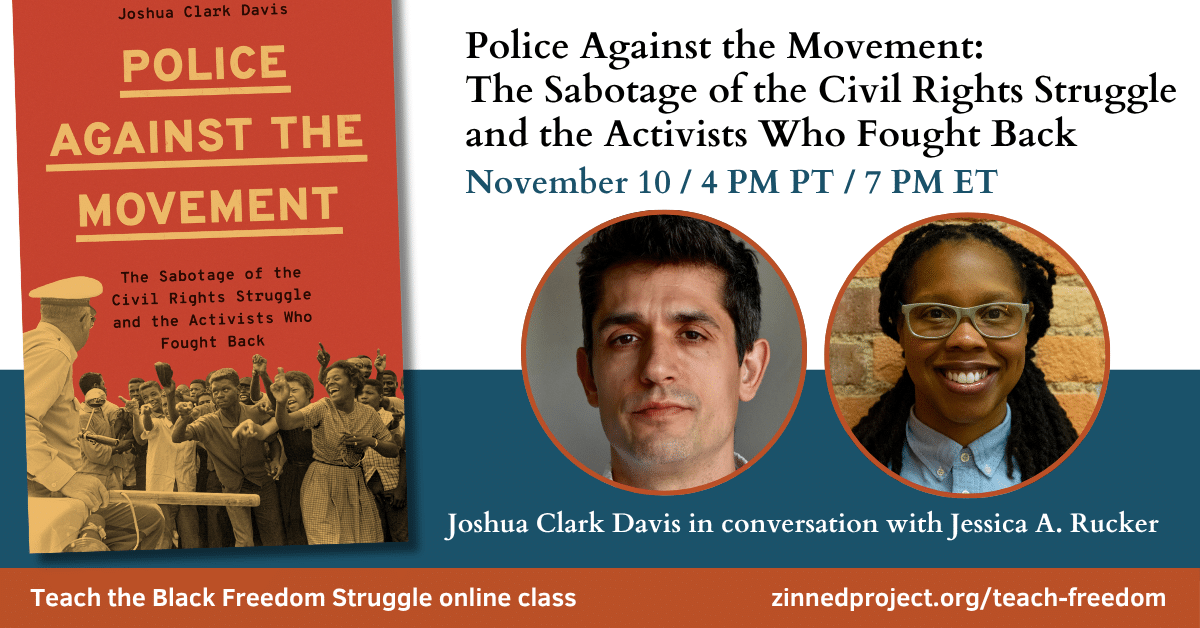
Teach About the Police
We all understand the role of police brutality in galvanizing the Black Lives Matter movement.
However, except for a few iconic figures like Bull Connor in Birmingham, the police are less visible in public memory of the Civil Rights Movement.
Yet, as Joshua Clark Davis tells in dramatic prose, the police were just as big a player in the 1960s as they are now. Davis notes that
Local police were far more experienced in spying on and sabotaging activists than we have acknowledged — so much so that COINTELPRO should be recognized for federalizing efforts that local police departments had already undertaken to disrupt the Civil Rights Movement.
And the response was not passive. Organizers in CORE and SNCC took direct action against police violence.
I created this lesson to kick off a unit that asks, “What is the function of the police? And are they serving that function?”
Ultimately, the unit aims to help students articulate their own understanding of what constitutes security and safety and learn enough about the history of the police in the United States to grapple with the question of abolition versus reform.
But first, I want students to grasp the historical magnitude of the problem.
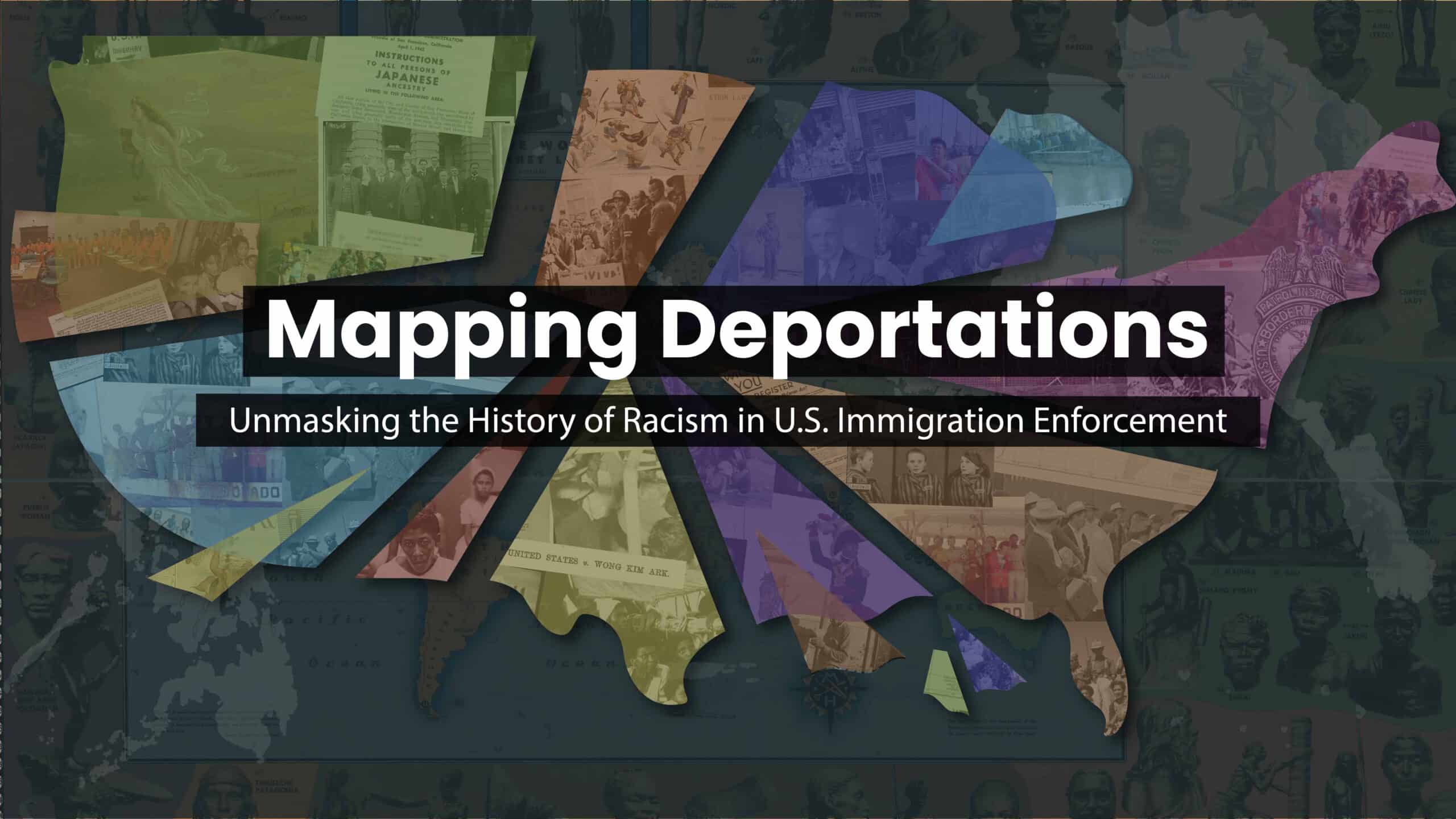
Unmasking the History of Racism in U.S. Immigration Enforcement
The new digital resource, Mapping Deportations, offers data visualizations and a timeline to delve into the stories of deportation, as well as immigrant exclusion, punishment, and the informal process known as “voluntary departure.” The website was produced by the Center for Immigration Law and Policy (CILP) at the UCLA School of Law and Million Dollar Hoods. Let us know if you use it in your classroom.
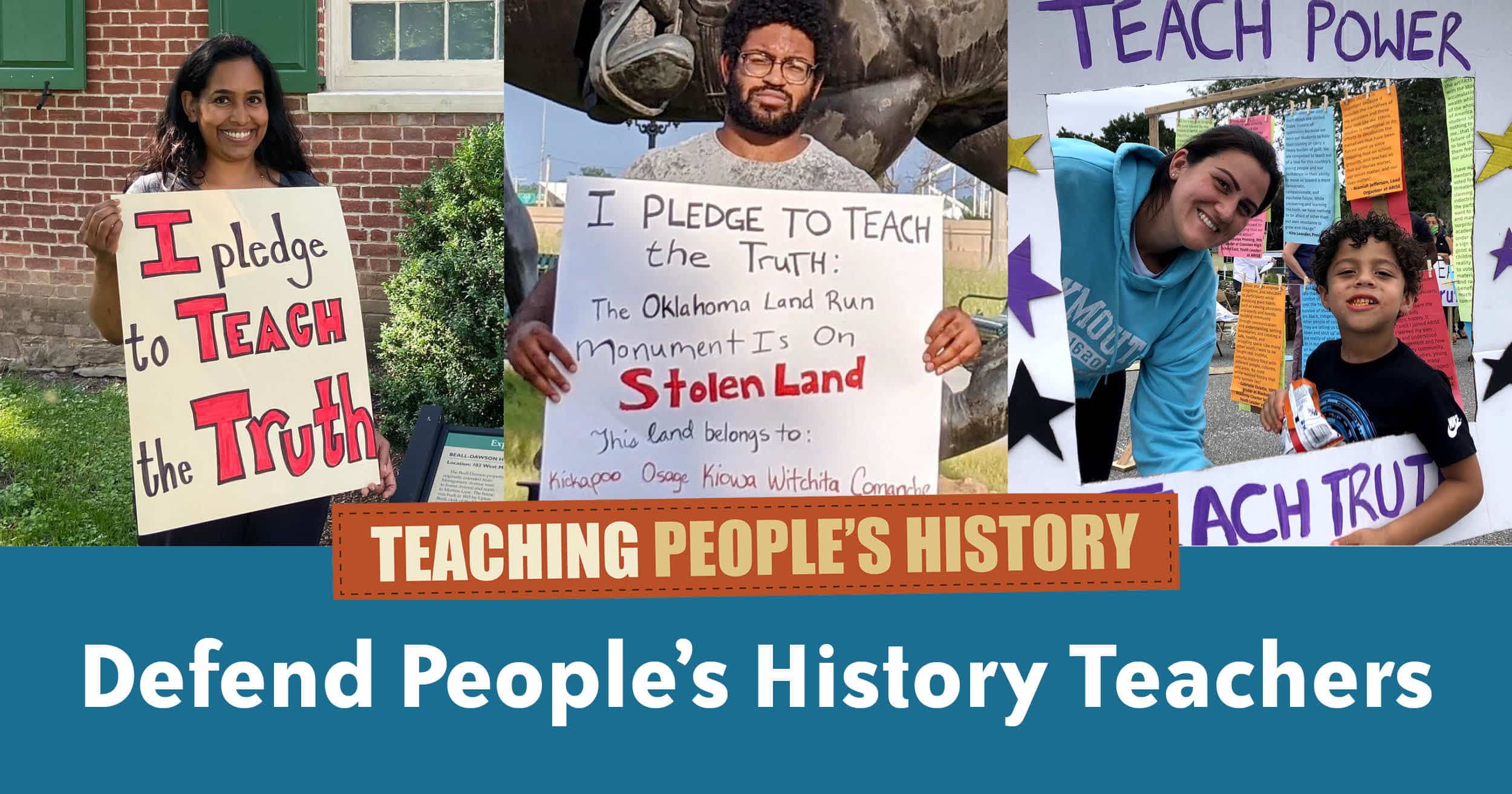
Teachers are under attack for teaching truthfully about U.S. history. Please donate so we can continue to offer free people’s history lessons and resources, and defend teachers’ right to use them.