If you're having trouble viewing this email, you cansee it online.
Veterans Day
Teach Outside the Textbook
To prepare for Veterans Day, we share stories about African Americans who faced terrorism in the United States before and after their deployment, soldiers who organized against the Vietnam War, and veterans of an early fight against fascism who were criminalized by the U.S. government.
Black Veterans Face Terrorism in the United States
What shall it profit us to cross the seas to destroy Hitler, if Hitlerism is to rise triumphant over our homes? — Chicago Defender
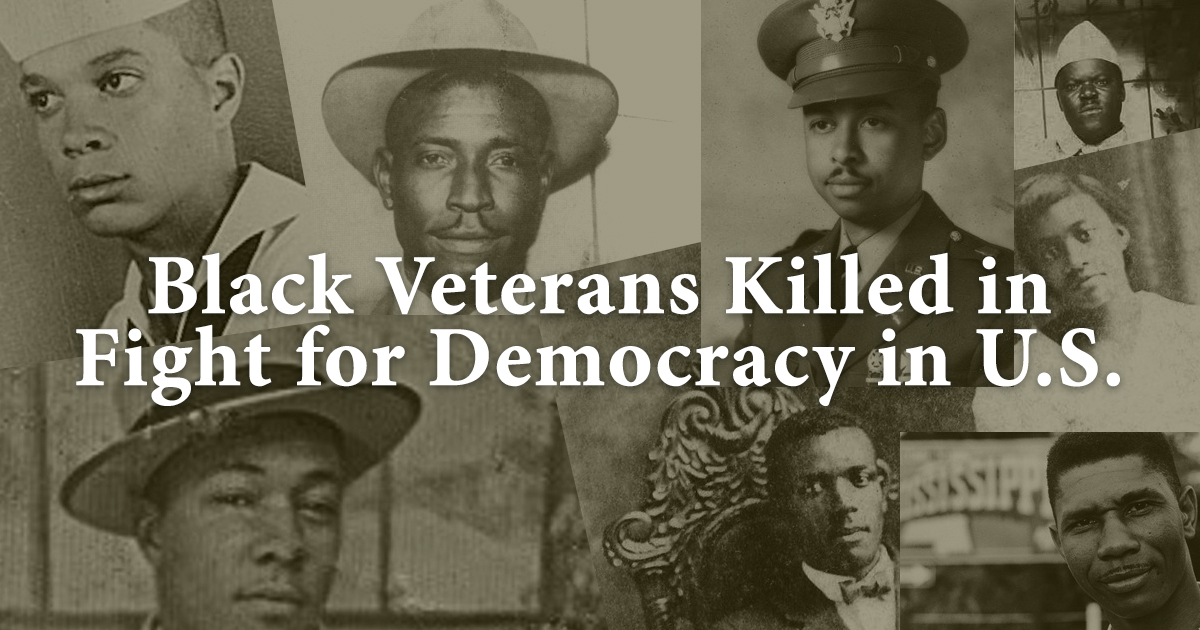
Many Black veterans who fought overseas were murdered for exercising their democratic and human rights on their return. We share stories about these veterans in our This Day in People’s History series.
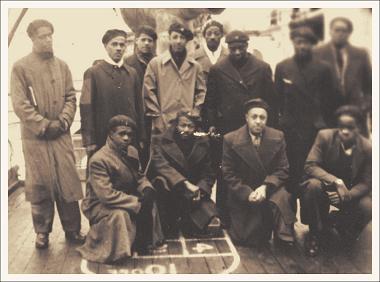
In 1936, the day after Christmas, 96 Americans sailed from New York to help Spain defend its democratic government against fascism. Ultimately, 2,800 U.S. volunteers reached Spain to become the Abraham Lincoln Brigade.
As William Loren Katz wrote, ″they were poets and blue-collar workers, professors and students, seamen and journalists, lawyers and painters, Jews and Christians, African Americans and whites. The Brigade was the first fully integrated armed force from the United States.”
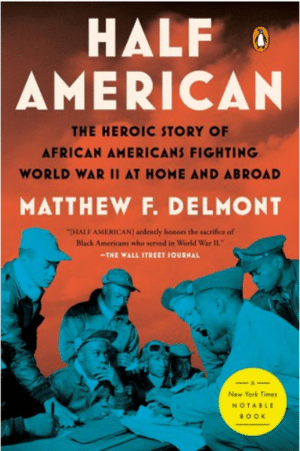
Langston Hughes reported from Spain. Matthew Delmont explains, “Each dispatch warned that a life-and-death struggle against fascism was under way in Spain and that Black Americans were among the first to try to stop Franco, Mussolini, and Hitler.”
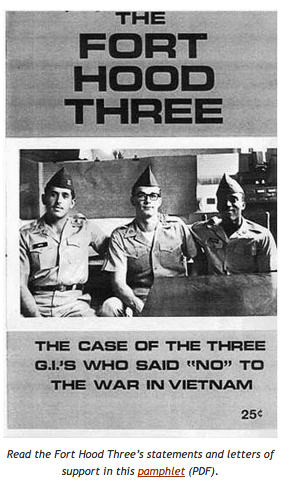
Although not visible in textbooks, veterans played a major role in the anti-Vietnam War movement.
As described in the excellent documentary, Sir! No Sir!: more than 200 underground newspapers were published by soldiers around the world; thousands joined local and national antiwar GI organizations; thousands more demonstrated against the war at every major base in the world in 1970 and 1971, including in Vietnam itself; stockades and federal prisons filled with soldiers jailed for opposition to the war and the military.
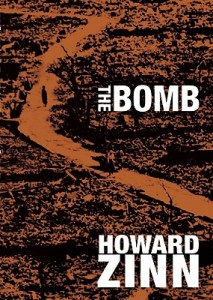
The late historian and activist Howard Zinn was familiar with bombs — he dropped them on people during World War II, flying as a bombardier in Europe. This book is Zinn’s passionate denunciation of bombs — not just “the bomb,” but all bombs.
In the The Bomb’s two chapters — one on Hiroshima and one on Royan, France, where Zinn dropped napalm late in WWII — Zinn poses the crucial question: “What can we learn to free us from the thinking that leads us to stand by . . . while atrocities are committed in our name?”The Bomb is the kind of critical, angry, but hopeful history-telling for which Howard Zinn is so deservedly well known. — Bill Bigelow, Rethinking Schools
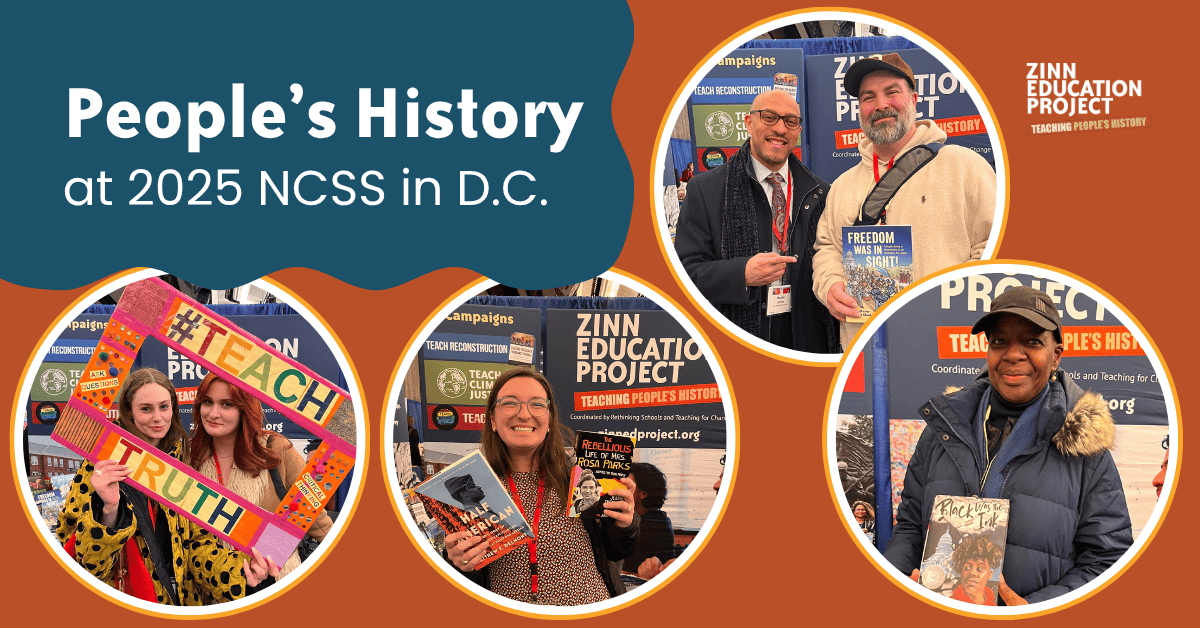
Are you going to the National Council for the Social Studies (NCSS) annual conference in Washington, D.C., in early December?
If so, check out our workshops on Reconstruction, the March on Washington, climate justice, and more. Visit our interactive booth to learn about our people’s history lessons, climate crisis timeline, Reconstruction report, Teaching for Black Lives study groups, American Revolution resources, and Teach Truth activism. Meet Rethinking Schools editors and see a collection of Rethinking Schools publications. Our partner booth is People’s History in the Digital Age. Let us know if you plan to attend.
Teachers are under attack for teaching truthfully about U.S. history. Please donate so we can continue to offer free people’s history lessons and resources, and defend teachers’ right to use them.