If you're having trouble viewing this email, you cansee it online.
Every day we hear that someone we know has a cancer diagnosis. It is no wonder, since people’s exposure to toxic chemicals is on the rise — made worse by the recent cuts to the already limited regulations. This administration is placing the health of our students at risk.
Invisible in air and water, toxins should be visible in the curriculum. We offer classroom lessons and resources, along with stories about organizing for environmental justice.
Water and Environmental Racism
Middle and High School Lesson
Our Water and Environmental Racism lesson introduces students to the struggle of residents to access safe water for drinking, cooking, and bathing in the majority-Black cities of Flint, Michigan; Jackson, Mississippi; and Newark, New Jersey.
By bringing the circumstances of these locales into conversation with one another, students see that water crises are not simply accidents that happen anywhere; they are manifestations of racism, past and present, that happen in some places — and to some people — far more than others. Download the lesson for free.
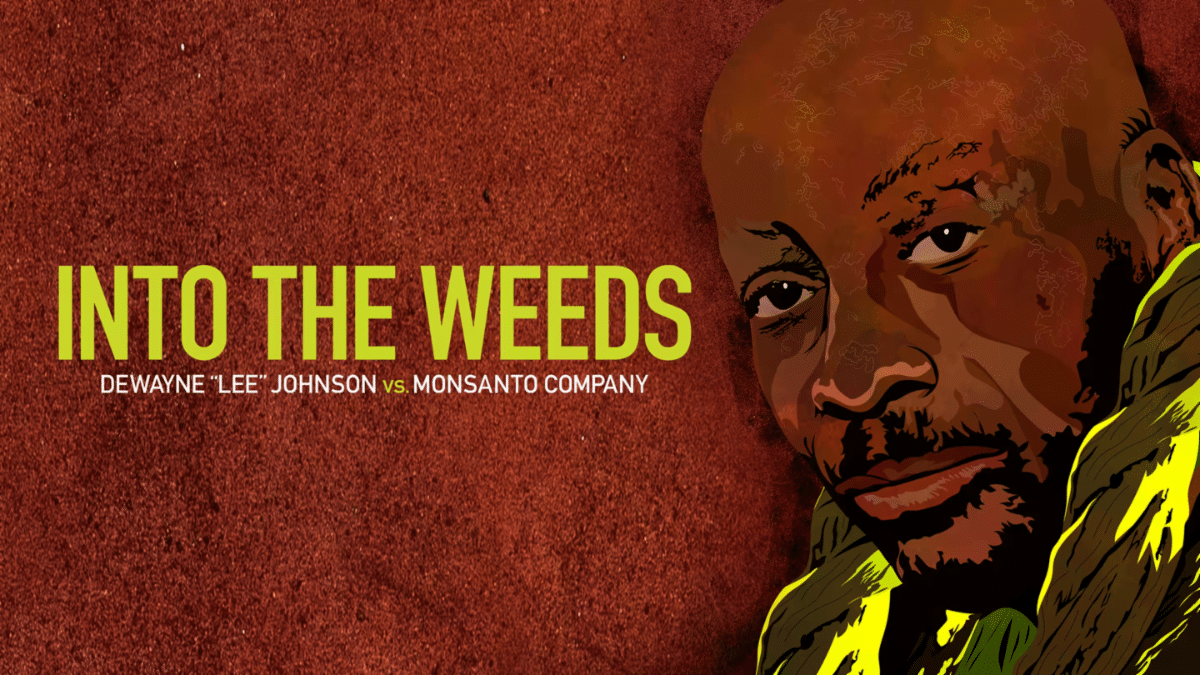
Into the Weeds follows the trial of school district groundskeeper Dewayne “Lee” Johnson and his lawsuit against Monsanto (now Bayer) for their weed killer Roundup and other pollutants that contribute to cancer in tens of thousands of plaintiffs. This Canadian film, available to stream in the United States, raises questions about the chemicals students are exposed to at school.
Students can learn about alternatives to pesticides and campaigns to protect public health from Beyond Pesticides.
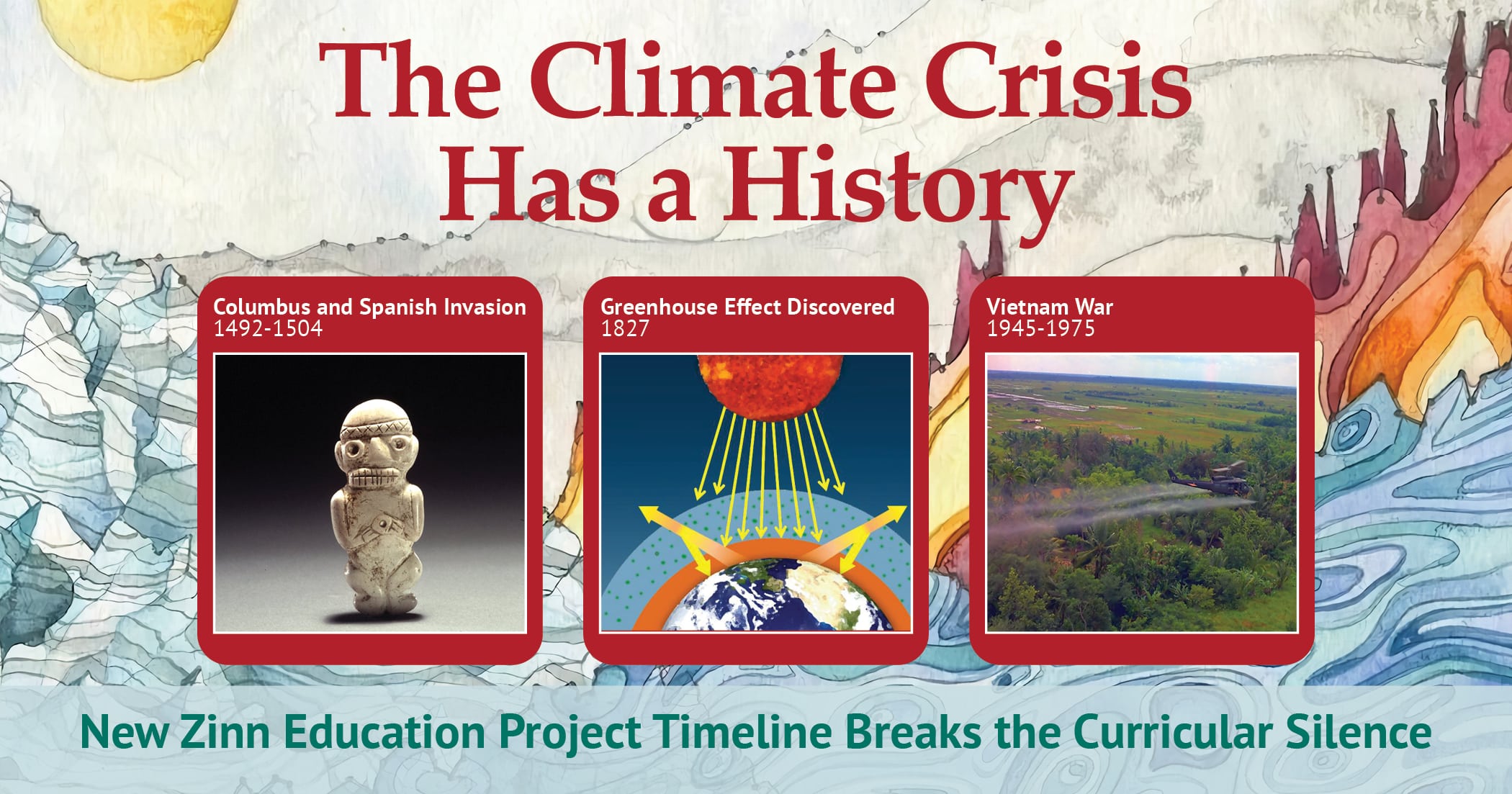
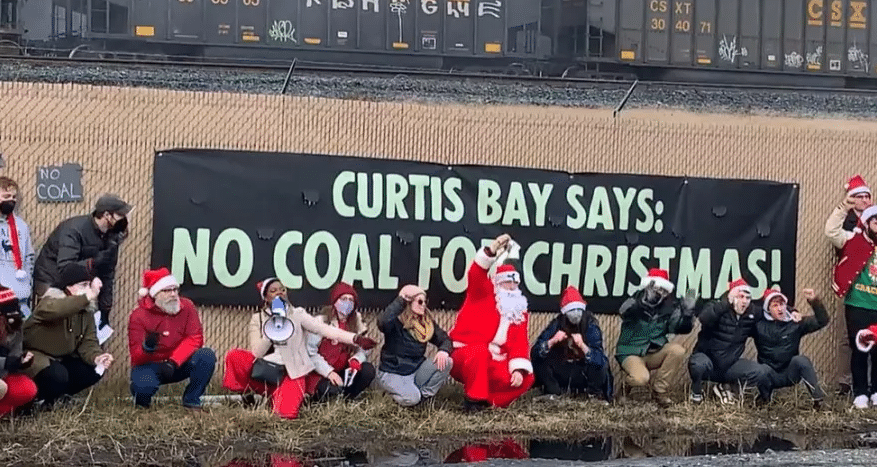
We offer a timeline of the climate crisis that traces its roots from European colonial expansion and racial capitalism to present-day fossil fuel industry and government projects that exploit and destroy the Earth in the name of maximum profit. It also emphasizes moments and movements of resistance and activism that inform climate justice work today.
From Chicago to Minneapolis to Los Angeles, teacher unions are advocating for their districts to act on the climate crisis, “which is damaging school buildings and disrupting learning.”
A new report, Bargaining for Green Schools, Good Jobs, and Bright Futures, addresses these stories. Learn about the report in an interview by Hechinger Report’s Caroline Preston with Jackson Potter, vice president of the Chicago Teachers Union.
NPR Code Switch shares the story of students who organized to stop construction of a waste incinerator near their school in Baltimore. Bill Bigelow writes about the podcast episode in Rethinking Schools: “We know how horrific the climate catastrophe is — and will become. In our curriculum, we need to lift up stories about organizers who are hopeful, tenacious, defiant.”
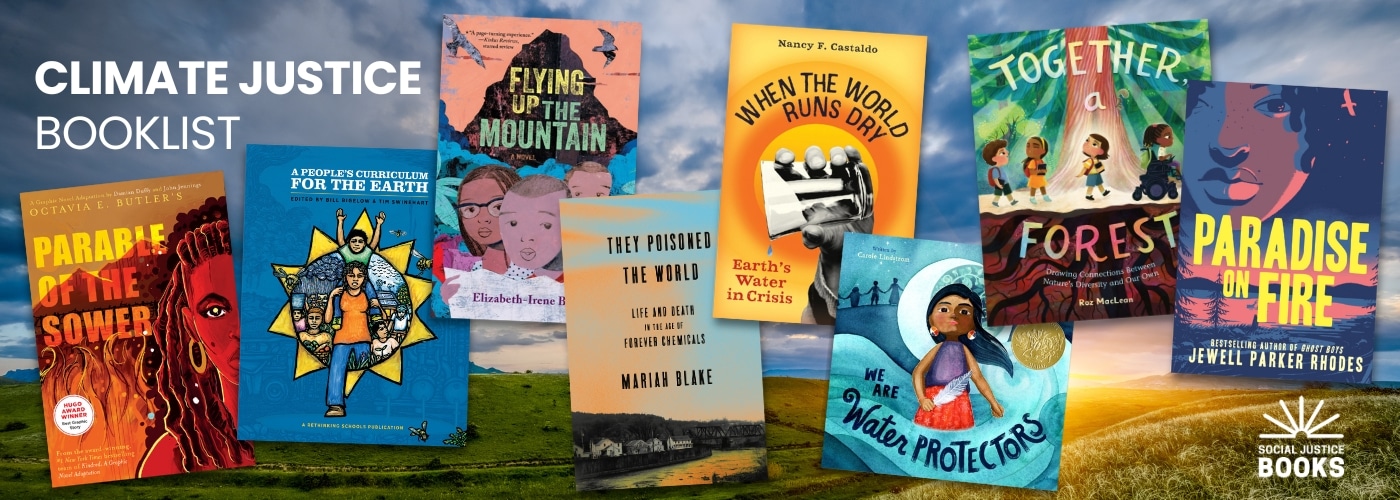
Teaching for Change’s Social Justice Books offers a selected list of recommended titles for K–12 on the environment and climate justice.
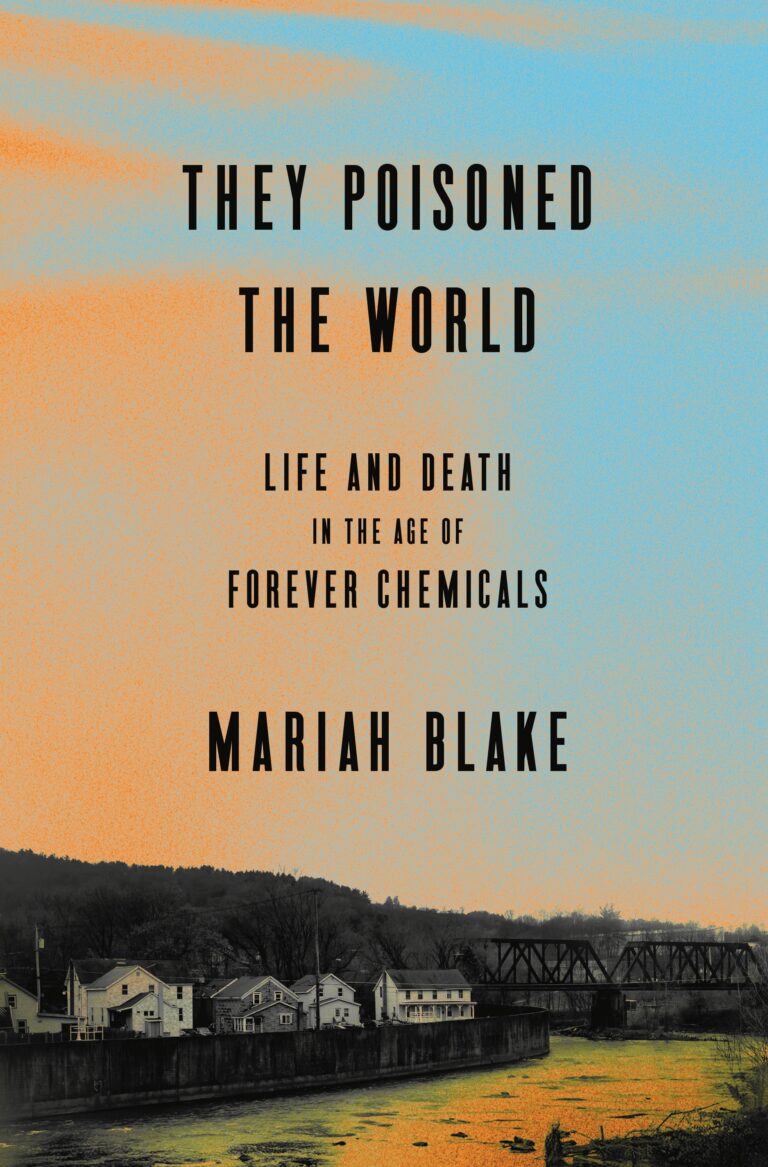
They Poisoned the World: Life and Death in the Age of Forever Chemicals is one of the recommended titles. It is an investigation of the chemical industry’s decades-long campaign to hide the dangers of forever chemicals, told through the story of a small town on the frontlines of an epic public health crisis.
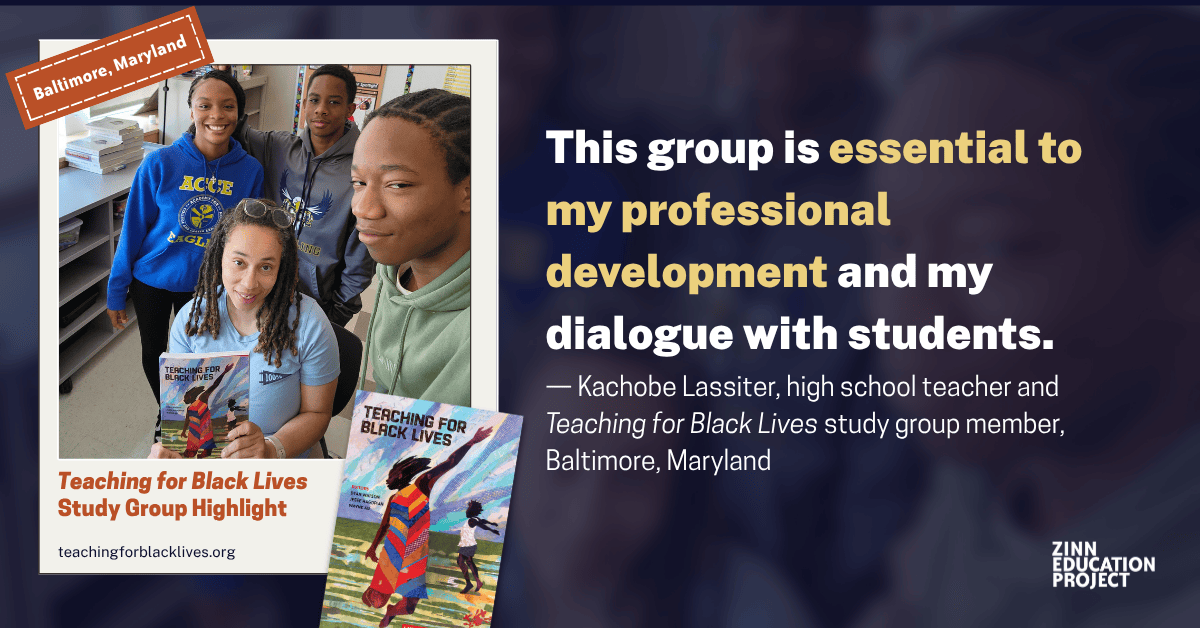
Apply to host a Teaching for Black Lives study group in the spring! Organize educators at your school, district, or state.
Each participant receives a copy of the Rethinking Schools book Teaching for Black Lives, a subscription to Rethinking Schools magazine, a year-long menu of workshops and seminars to choose from, and access to a national network of social justice educators.
Events
For Social Justice Educators
Check out these events hosted by the Zinn Education Project and our colleagues. Online unless noted otherwise.
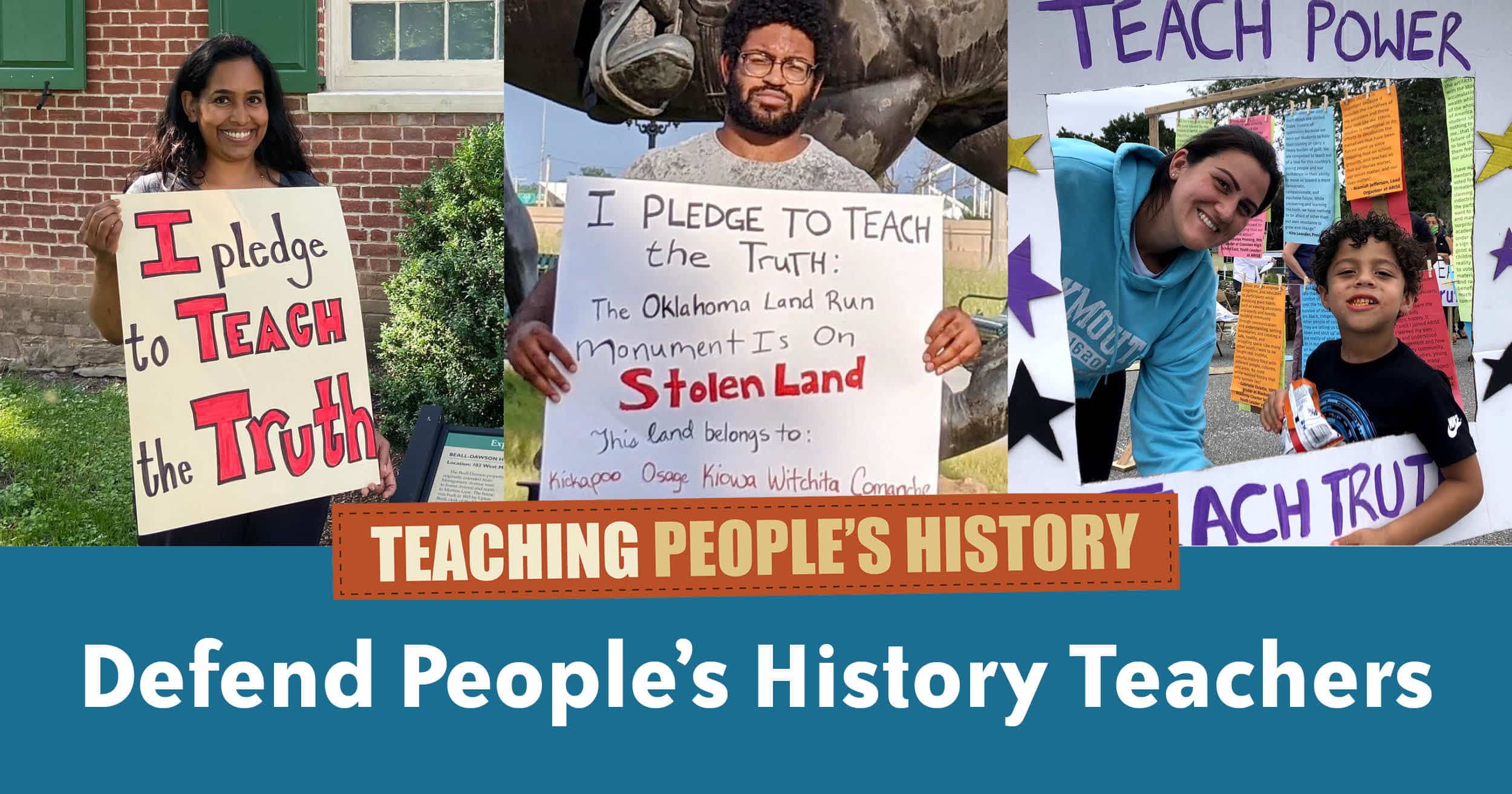
Teachers are under attack for teaching truthfully about U.S. history. Pleasedonateso we can continue to offer free people’s history lessons and resources, and defend teachers’ right to use them.