If you're having trouble viewing this email, you cansee it online.
The Route to Black Freedom
Patriotism or International Solidarity?
On this 100th anniversary of Black History Month, scholar Brian Jones explained that some leaders in the Black Freedom Struggle demanded that the United States live up to its ideals as articulated in documents like the Declaration of Independence and the Constitution. Others argued that the project of Black liberation should not embrace patriotism and nationalism, but should champion international solidarity. Jones urges educators to study these different perspectives in the classroom.
With colleagues, listen to this short audiogram from Jesse Hagopian’s interview with Brian Jones and reflect on the implications for our classroom practice of the tension that Jones articulates.
A lesson on the countless colonial laws enacted to create division and inequality based on race. This helps students understand the origins of racism in the United States and who benefits.
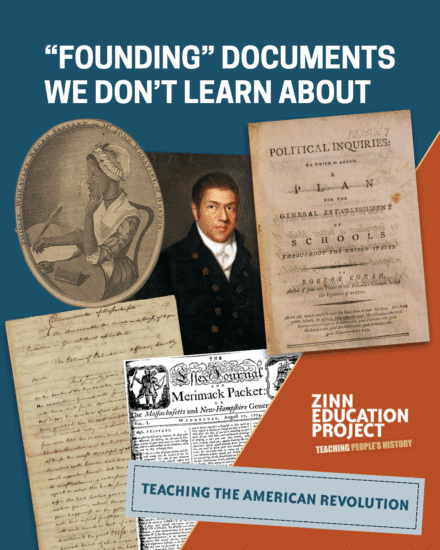
“Founding” Documents We Don’t Learn About
A set of primary source documents and teaching activities reveal a profound cast of voices from the era of the American Revolution.
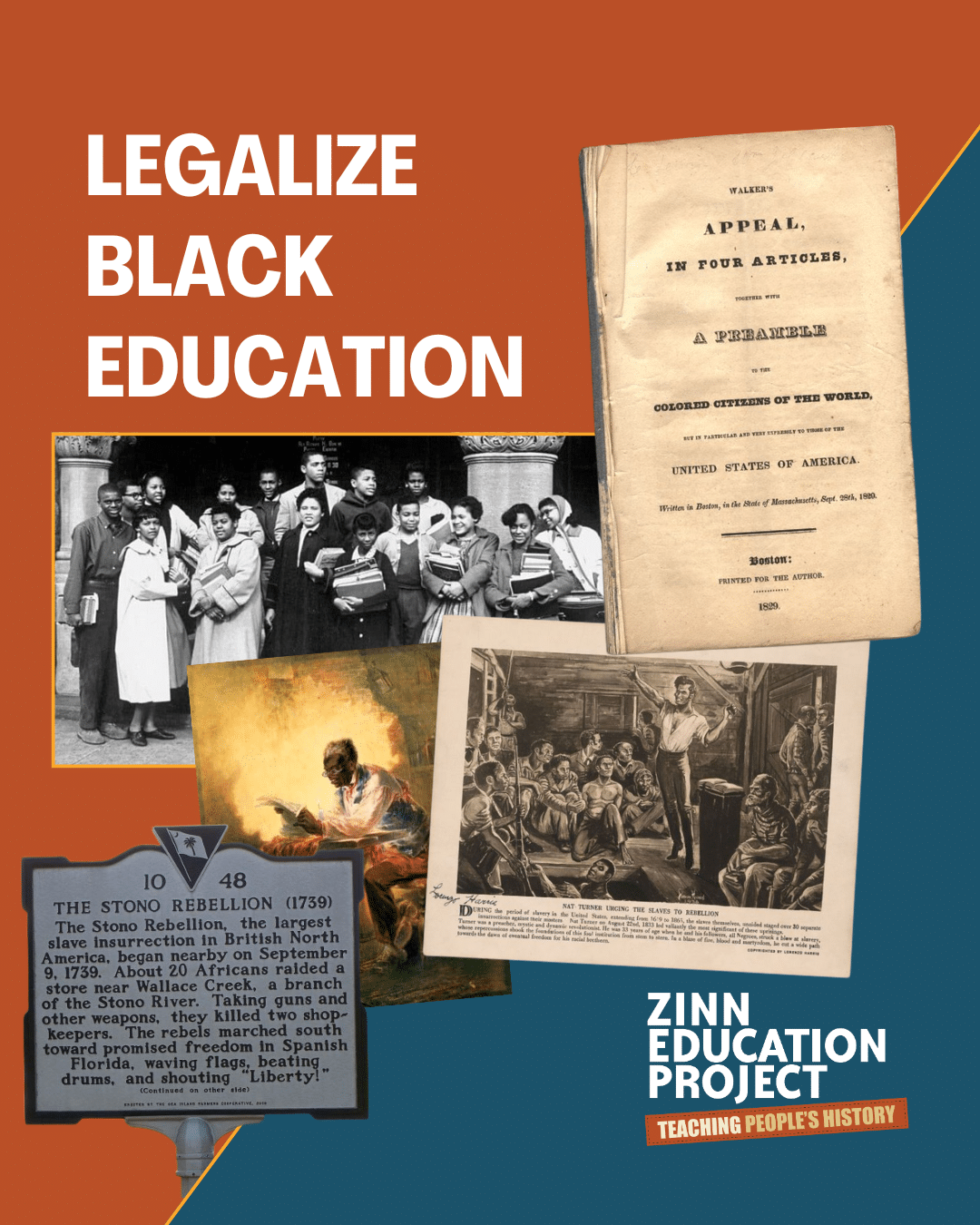
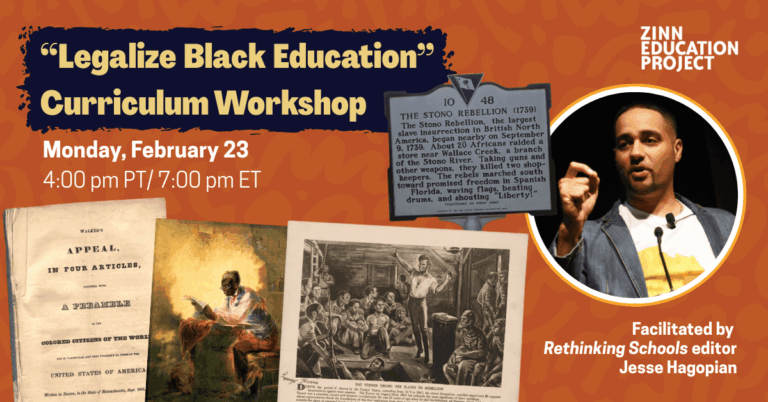
This lesson explores examples of laws passed to suppress Black education in the wake of major victories for the Black Freedom Struggle, highlighting the historical context and motivations behind these legislative efforts.
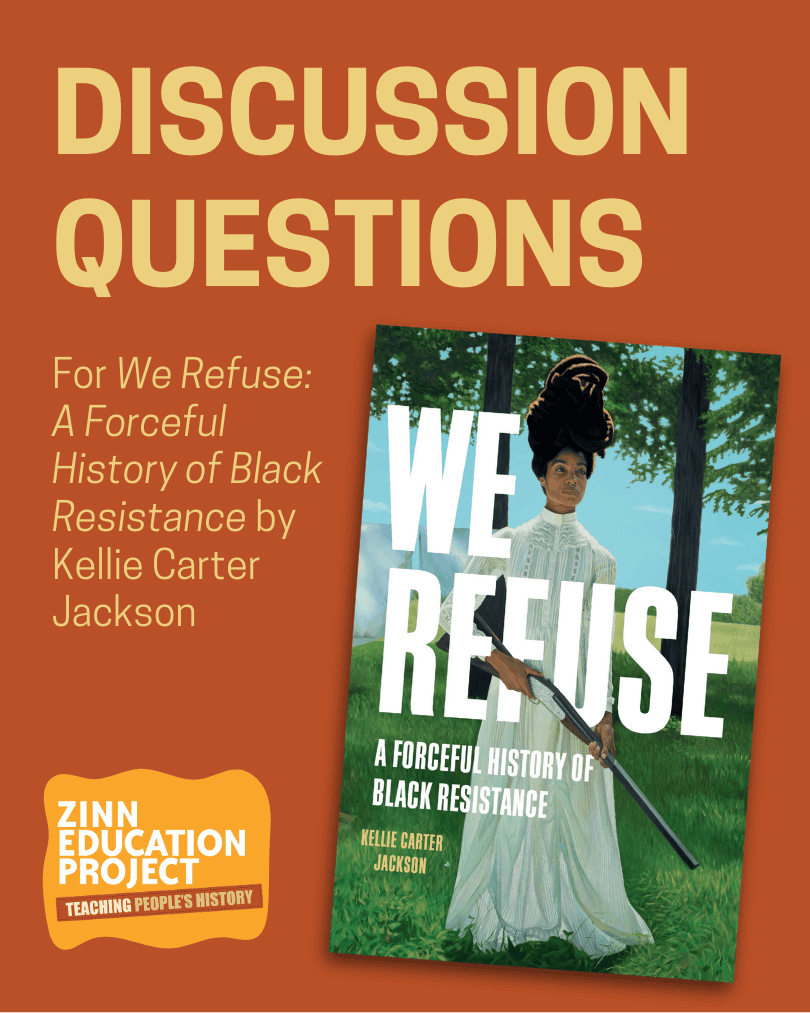
We Refuse Questions on Revolution
Kellie Carter Jackson’s chapter from We Refuse on revolution, with discussion questions. Compares Haitian, French, and American revolutions.
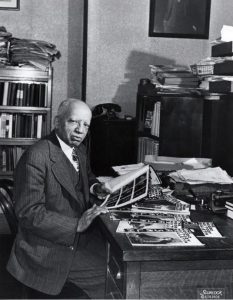
This crusade is much more important than the anti-lynching movement, because there would be no lynching if it did not start in the schoolroom. — Carter G. Woodson
On Feb. 7, 1926, Carter G. Woodson, initiated the first celebration of Negro History Week which led to Black History Month, to extend and deepen the study and scholarship on African American history, all year long.
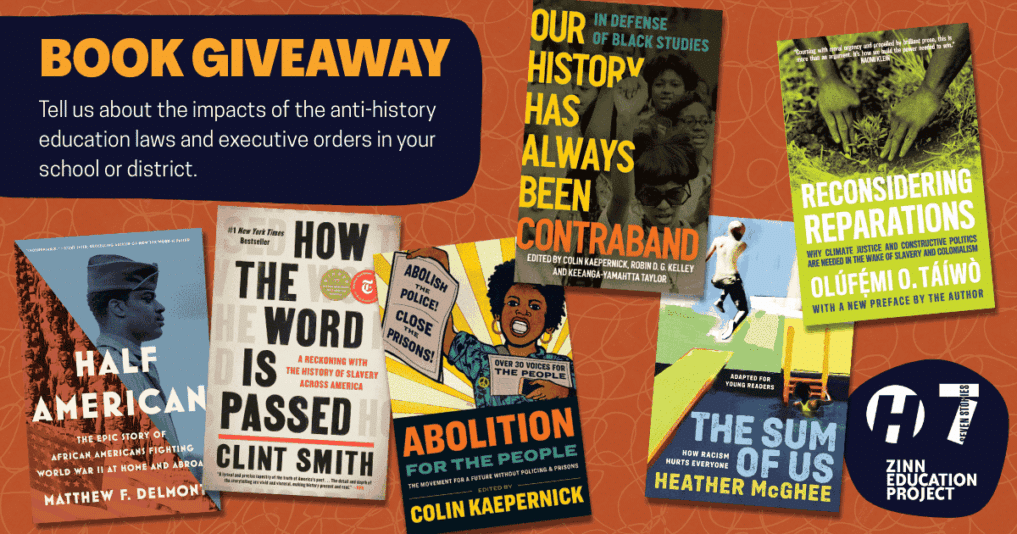
The right seeks to indoctrinate students with a whitewashed narrative of history. Our goal is for young people to engage in intellectual inquiry, to pursue real questions about history, and to apply historical insights to contemporary issues.
Please share stories about the impact of anti-history education laws, executive orders, the chilling effect in your school or school district, and whether or how educators and communities are resisting this repression. This will help the wider public understand how education is being censored and how some school districts are defending the freedom to learn.
This year, the opportunity to educate students about the achievements and struggles of Black Americans arrives at a moment when students are watching civil rights — their civil rights — being stripped away in real time.
Which means this is precisely the moment teachers must teach the truth about Black history and ensure students understand why the African American experience is central to what is happening across the United States right now.
Doing so requires tools, not just good intentions. That’s where the Zinn Education Project comes in.
Add these events, hosted by the Zinn Education Project and our colleagues, to your calendar. Online unless noted otherwise.
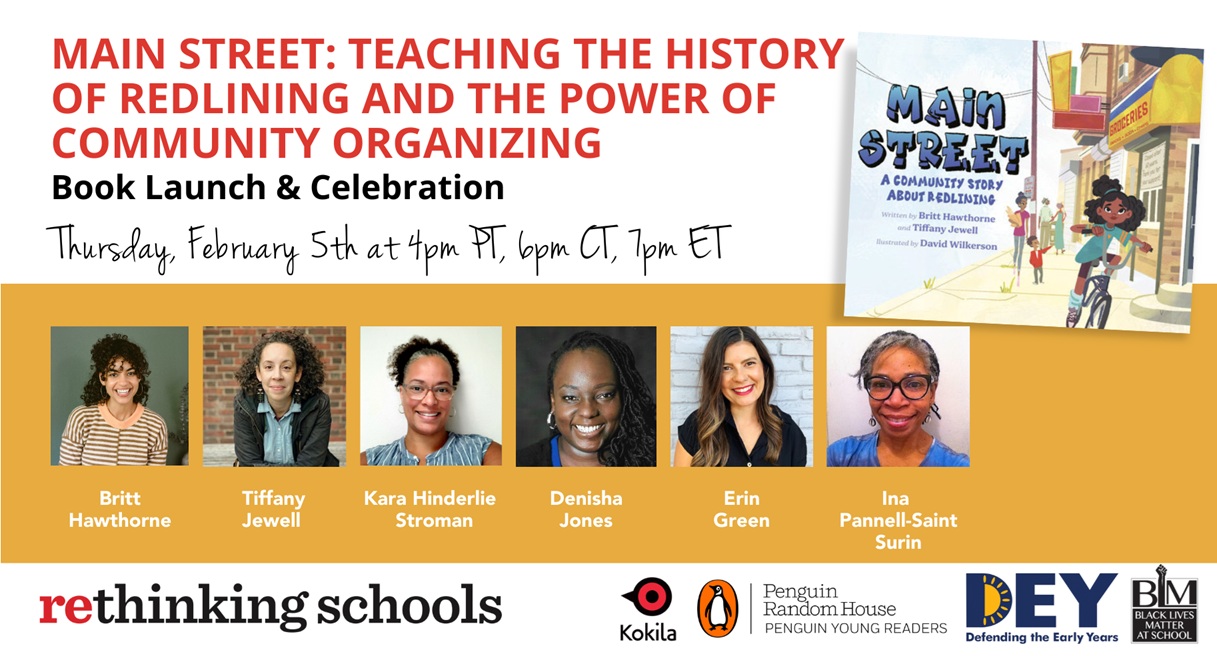
Join a virtual launch and celebration of Main Street: A Community Story About Redlining by Britt Hawthorne and Tiffany Jewell. The webinar, on February 5 at 7pm ET, features a conversation with the authors, followed by a panel of early childhood and elementary educators discussing how to teach young learners about the history of redlining and the power of community organizing. Hosted by Rethinking Schools and more.
On Monday, February 23, at 7pm ET, Jesse Hagopian will facilitate a curriculum workshop on “Legalize Black Education,” a Zinn Education Project lesson that explores examples of laws that suppress Black education in the wake of major victories for the Black Freedom Struggle, highlighting the historical context and motivations behind these legislative efforts. There will be time to meet other social justice educators in small groups to brainstorm ways to adapt the lesson for your classroom.
The annualNative Knowledge 360° Teach-In, hosted by the Smithsonian’s National Museum of the American Indian in collaboration with Teaching for Change on March 14, is an online opportunity for educators to access classroom resources from NMAI’s Native Knowledge 360° education portal, the Zinn Education Project, and more.
This is one of the best professional developments I have ever been to, hands-down. I am so grateful. This series gives me hope in this difficult time.
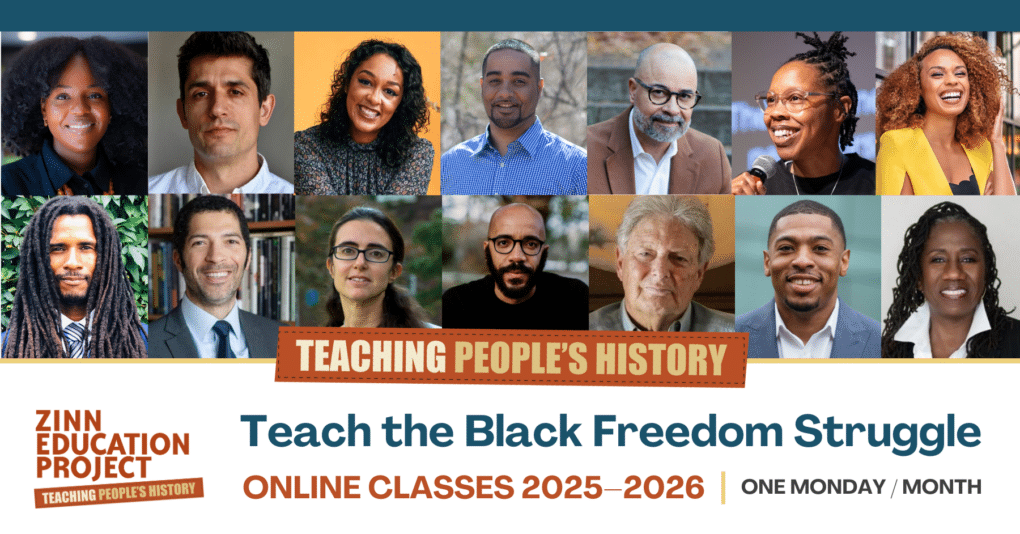
We have classes in March through May on the bombing of the MOVE organization in Philadelphia, African Americans and the Vietnam War, and how people escaped from slavery by sea.
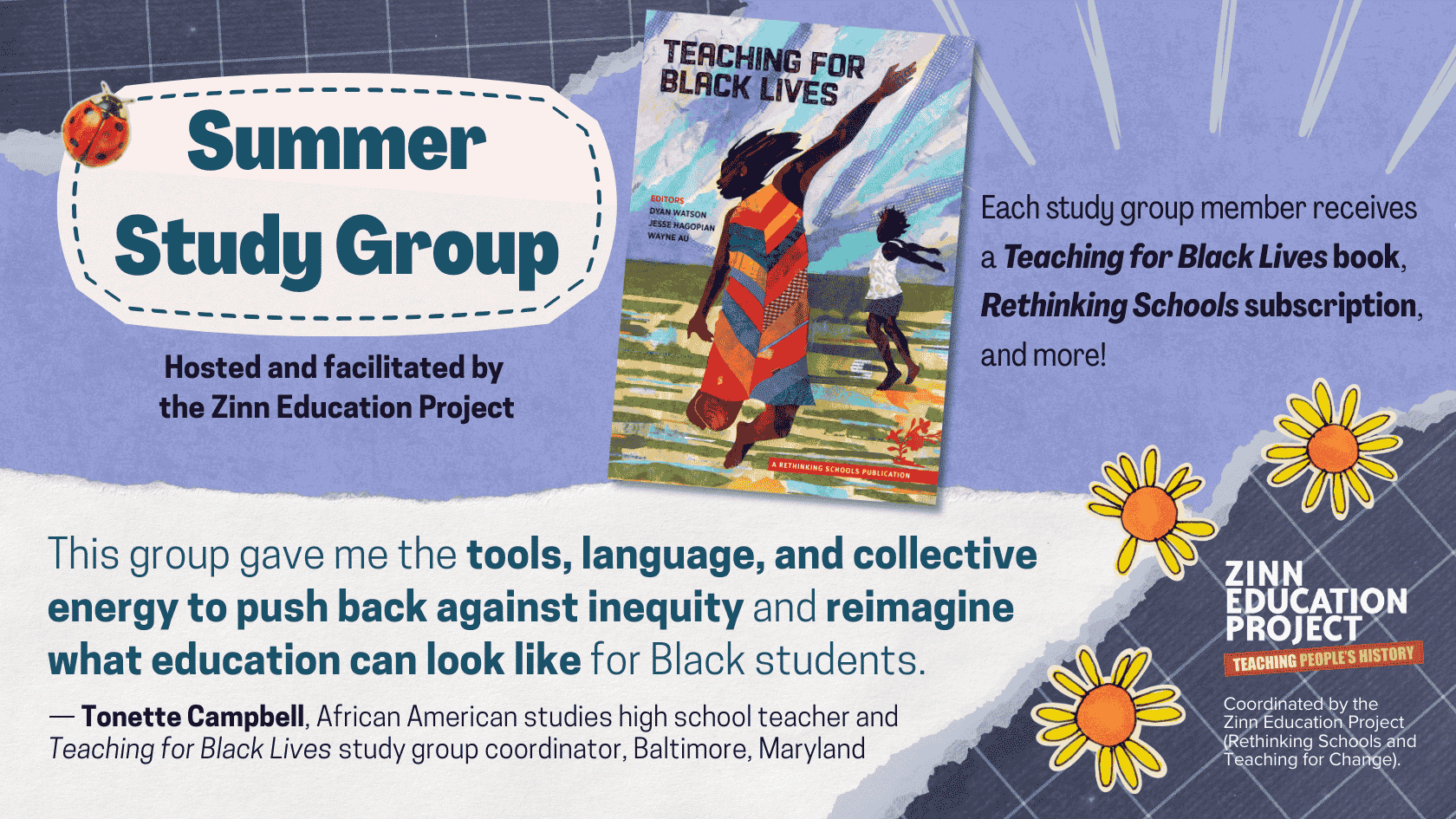
Join us this summer for a virtual Teaching for Black Lives study group. Each participant will receive a copy of the Teaching for Black Lives bookand a one-year subscription to Rethinking Schools magazine.
Pre-K–12 educators across the country will explore how to teach about racism, resistance, and joy. We will meet at 4 pm PT/ 7 pm ET on Tuesdays: June 23, June 30, July 14, and July 21.
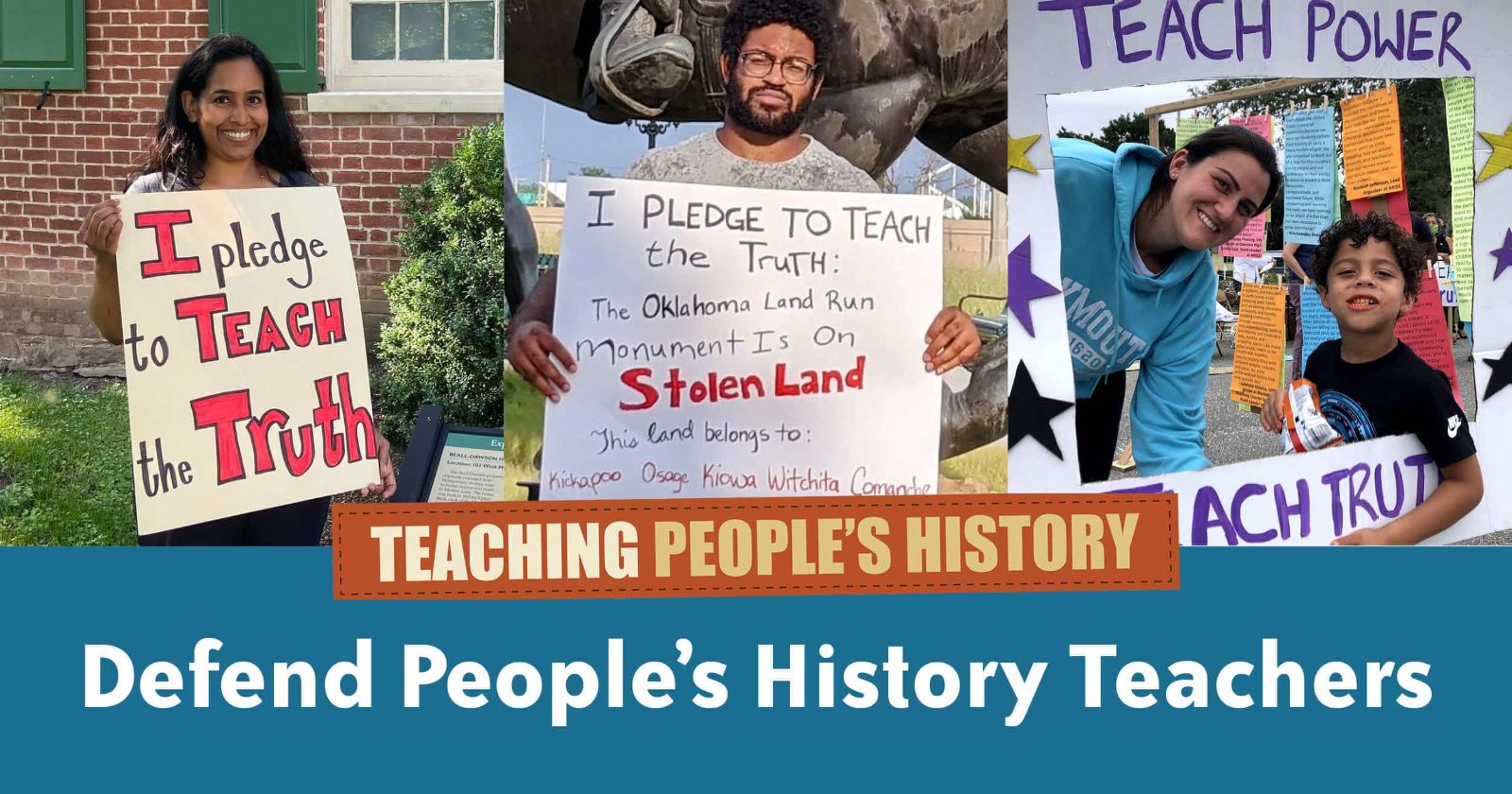
Teachers are under attack for teaching truthfully about U.S. history. Please donate so we can continue to offer free people’s history lessons and resources, and defend teachers’ right to use them.