Isn’t it unfair to judge the American Revolution and the founders by today’s moral standards?
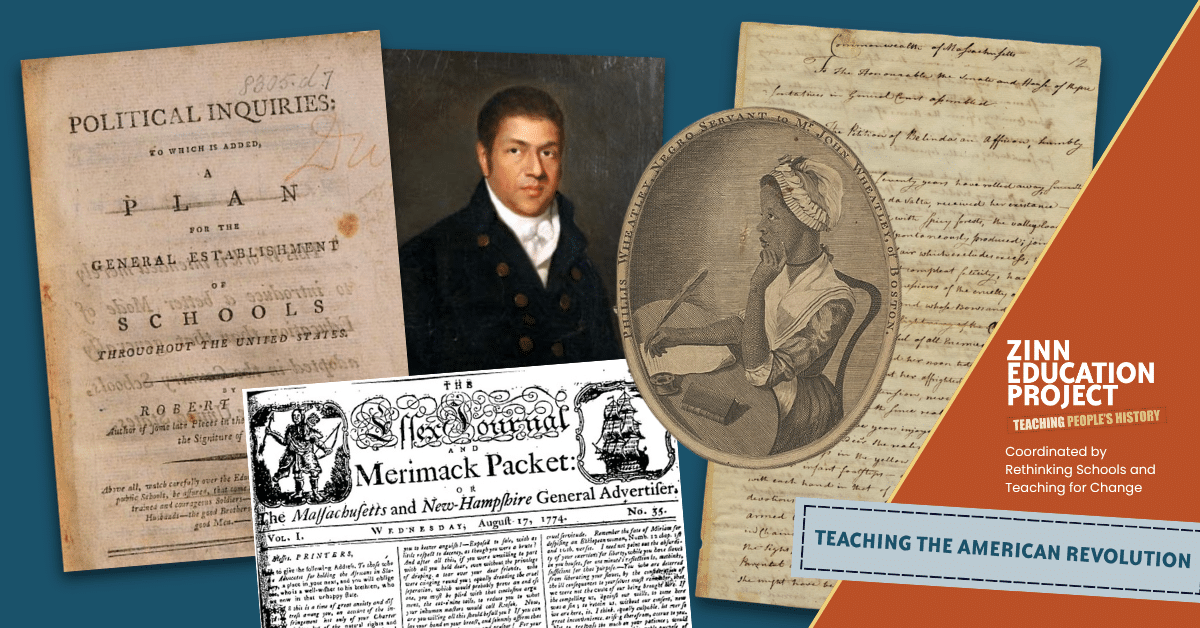
Answer: No.Critiques of slavery and inequality were well known at the time of the Revolution, and evaluating past decisions is essential to learning from history . . .
Isn’t teaching students to question the American Revolution unpatriotic?
Answer:Teaching students to question and investigate the contradictions of the American Revolution is a core democratic practice that equips young people to understand history, assess power, and participate in creating a more just society . . .
Let’s make visible the fact that educators everywhere are teaching truthfully about the American Revolution.
We add quills to mark the cities where teachers are participating. Help us fill the map with participation from every state and territory. (Your name stays private.) Plus, access free lessons, reflection questions, and more.
Usethis lessonto challenge the traditional curriculum on the American Revolution and to engage students in a deeper exploration of the meanings and making of freedom and justice in the United States.
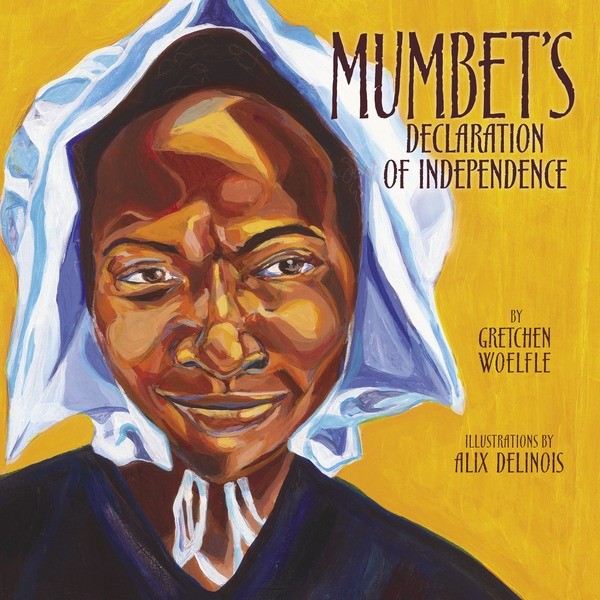
This picture book introduces young readers to the true story of a woman who challenged slavery by filing a freedom suit during the American Revolution.
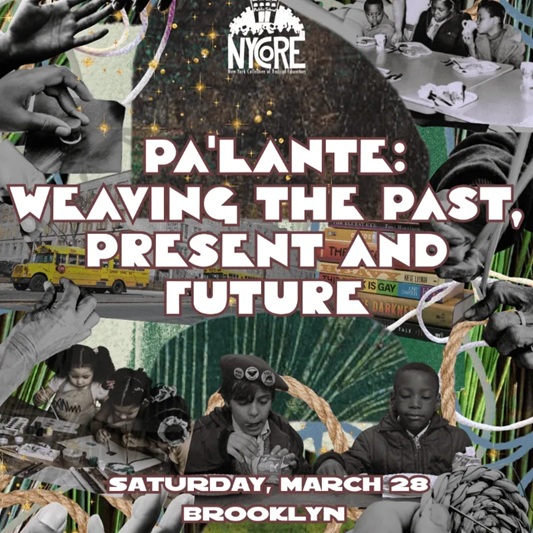
Add these events, hosted by the Zinn Education Project and our colleagues, to your calendar. Online unless noted otherwise.
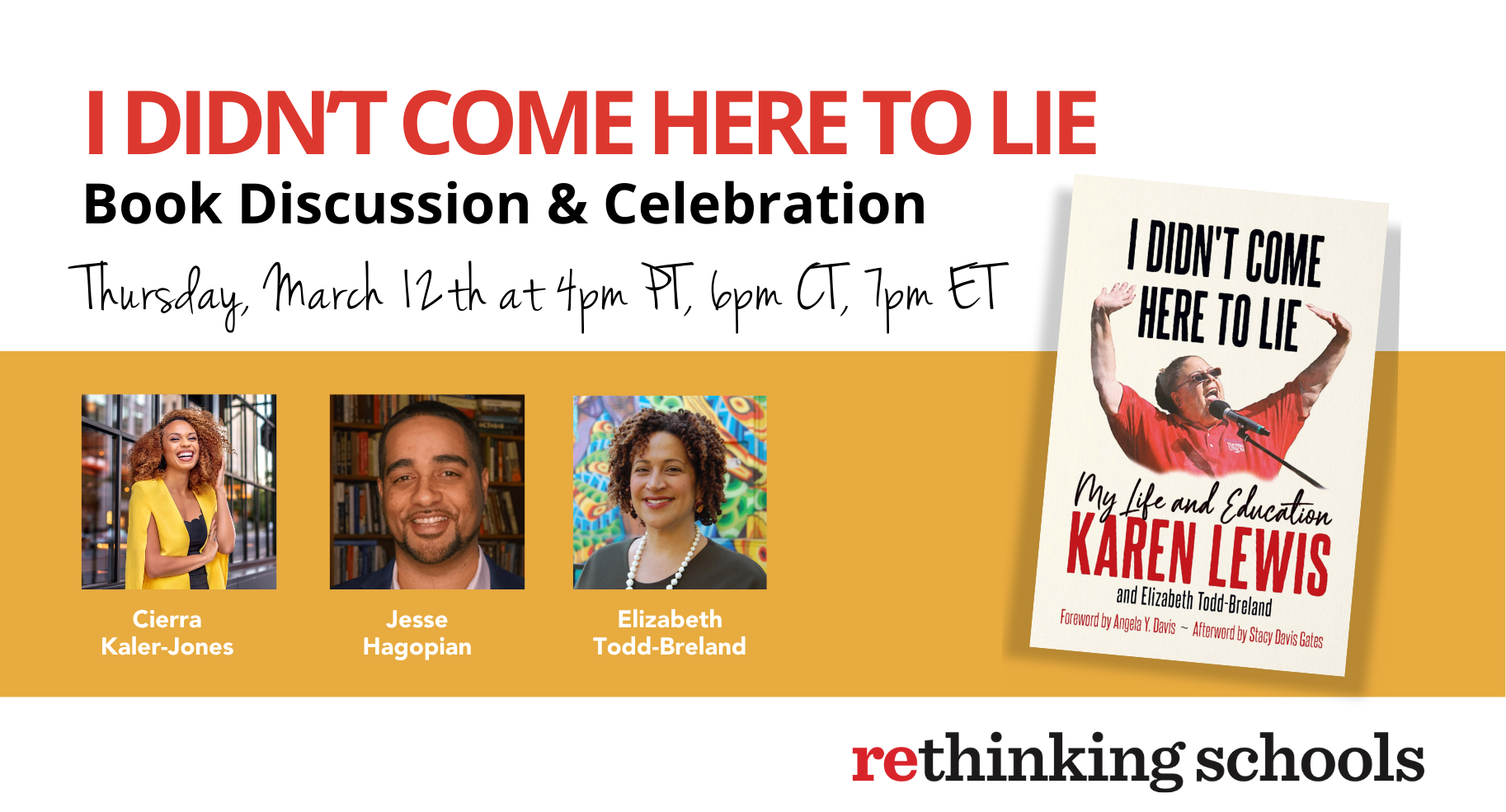
Join Rethinking Schools on March 12 at 7pm ET for a discussion and celebration of I Didn’t Come Here to Lie: My Life and Education, the memoir of Karen Lewis, the brilliant former president of the Chicago Teachers Union. The webinar will feature Rethinking Schools’ executive director Cierra Kaler-Jones and editor Jesse Hagopian in conversation with historian Elizabeth Todd-Breland. The conversation will also explore the power of teacher unions in fighting fascism.
The annualNative Knowledge 360° Teach-In, hosted by the Smithsonian’s National Museum of the American Indian in collaboration with Teaching for Change on March 14, is an online opportunity for educators to access classroom resources from NMAI’s Native Knowledge 360° education portal, the Zinn Education Project, and more.
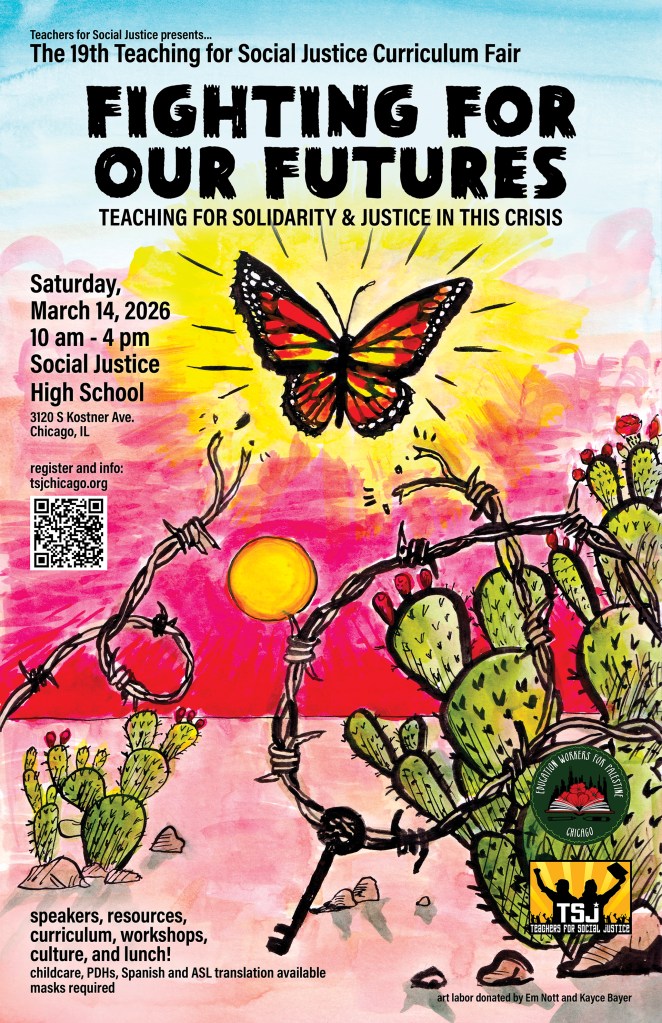
The curriculum fair is a day-long popular education and organizing space with social justice curriculum exhibits, workshops, resources and books, and a keynote.
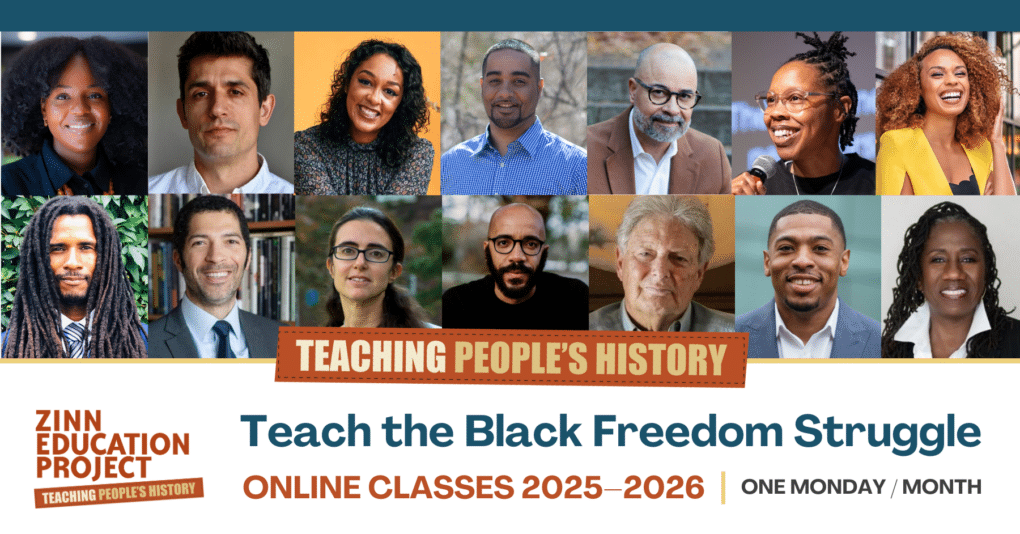
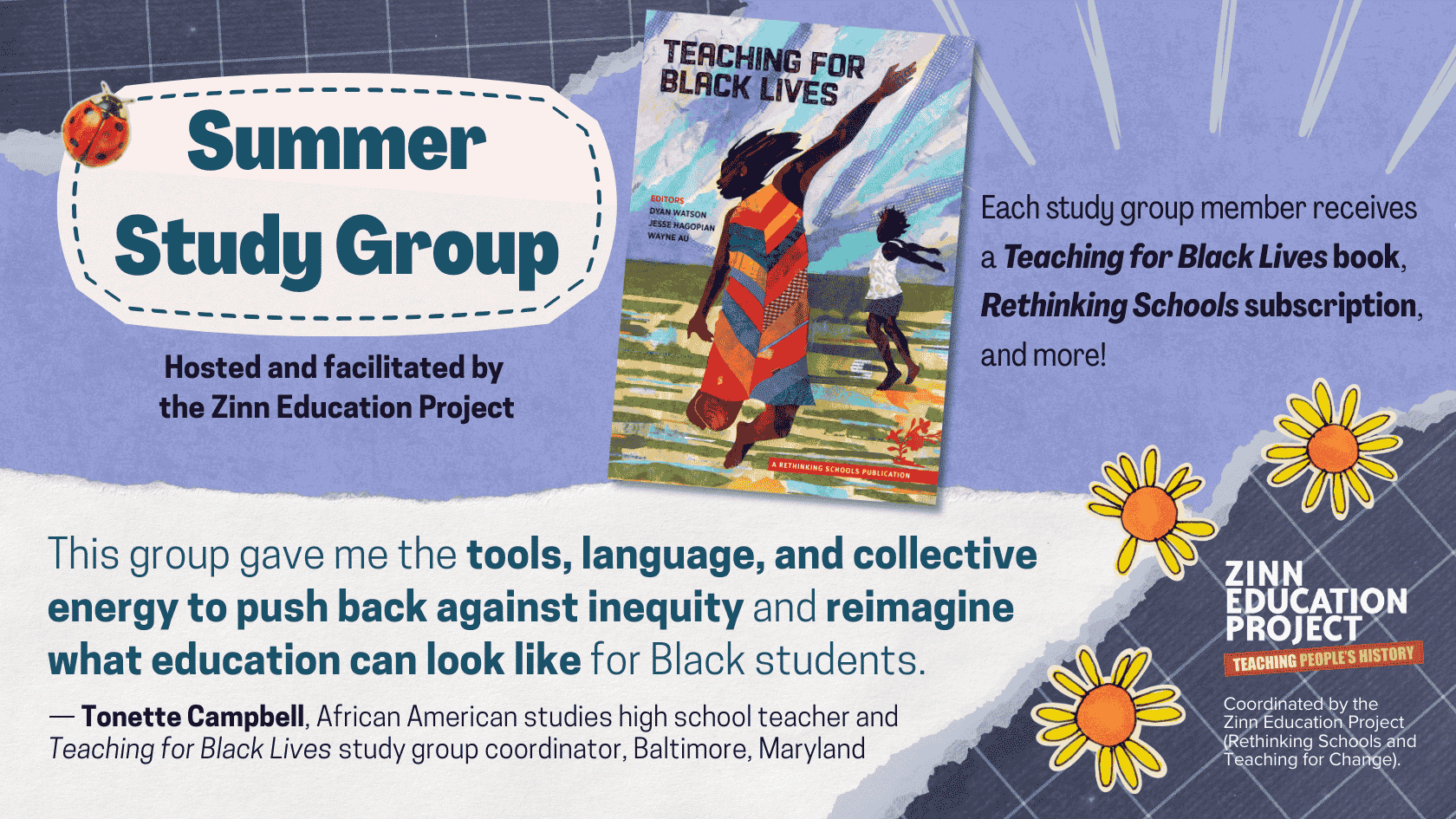
Join us this summer for a virtual Teaching for Black Lives study group. Each participant will receive a Teaching for Black Lives book and a one-year subscription to Rethinking Schools magazine.
Pre-K–12 educators will explore how to teach about racism, resistance, and joy. We will meet at 4 pm PT/ 7 pm ET on Tuesdays: June 23, June 30, July 14, and July 21.
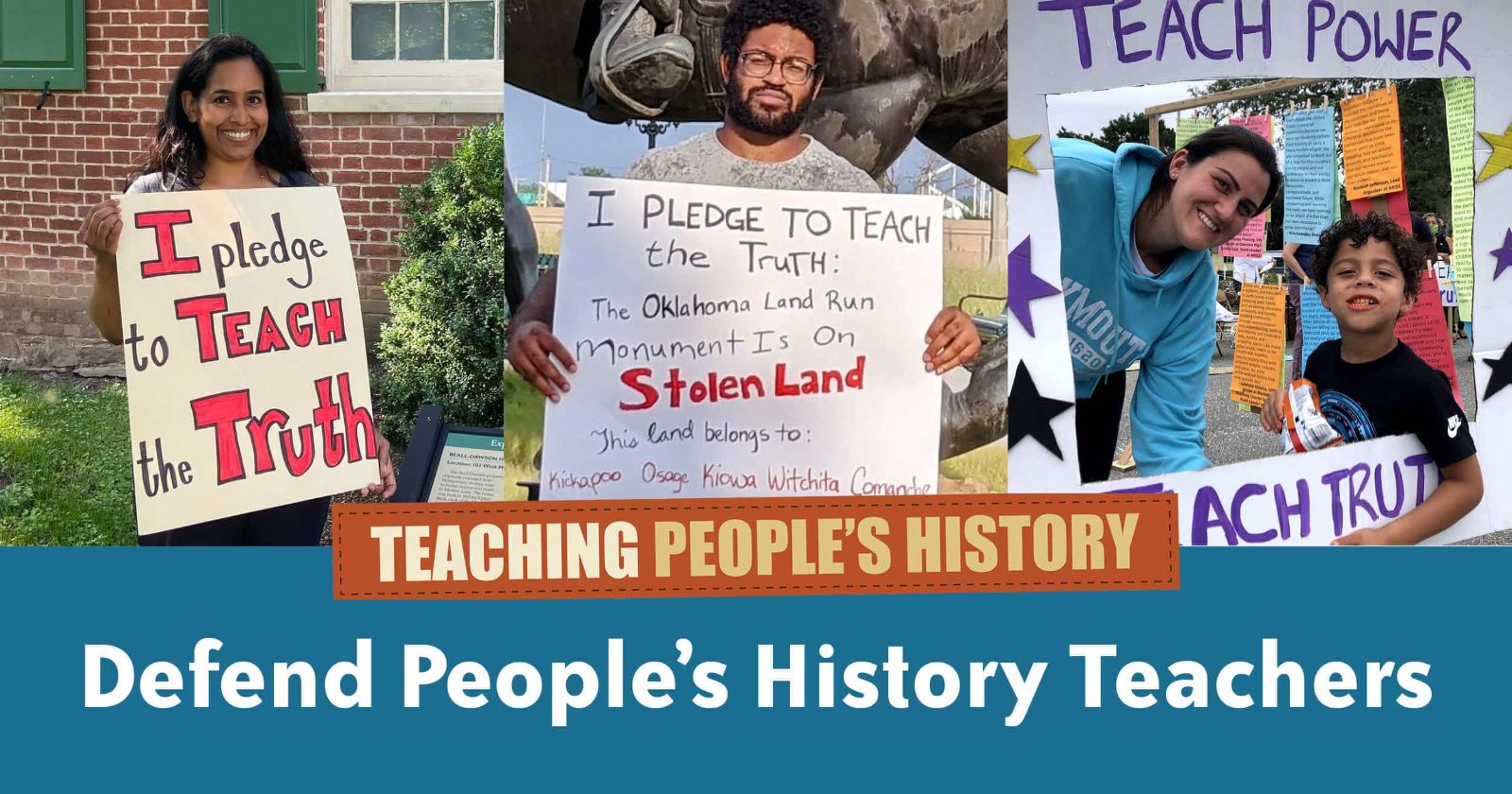
Teachers are under attack for teaching truthfully about U.S. history. Please donate so we can continue to offer free people’s history lessons and resources, and defend teachers’ right to use them.