Free Resources, This Day in People's History, Events, and More
If you're having trouble viewing this email, you cansee it online.
Coordinated by Rethinking Schools and Teaching for Change.
Women’s History Month
For International Women’s Day and Women’s History Month, we offer a collection of resources, beginning with women in labor history. These women are often missing from textbooks and the media despite the diverse roles women have played to organize, unionize, rally, document, and inspire workers to fight for justice.
Don't miss the upcoming events, including a Native Women Leading the Way: From Revolution to the Future workshop at the Native Knowledge 360° Teach-In.
Recording: Lessons in Liberation
“We think about all the many tactics that Black women have accessed and mobilized, from liberating themselves to all of the other approaches that I just laid out. That’s why I say if you look at that history, you have a blueprint for how to resistand how to continue to press and to keep moving forward.” — Kali Nicole Gross
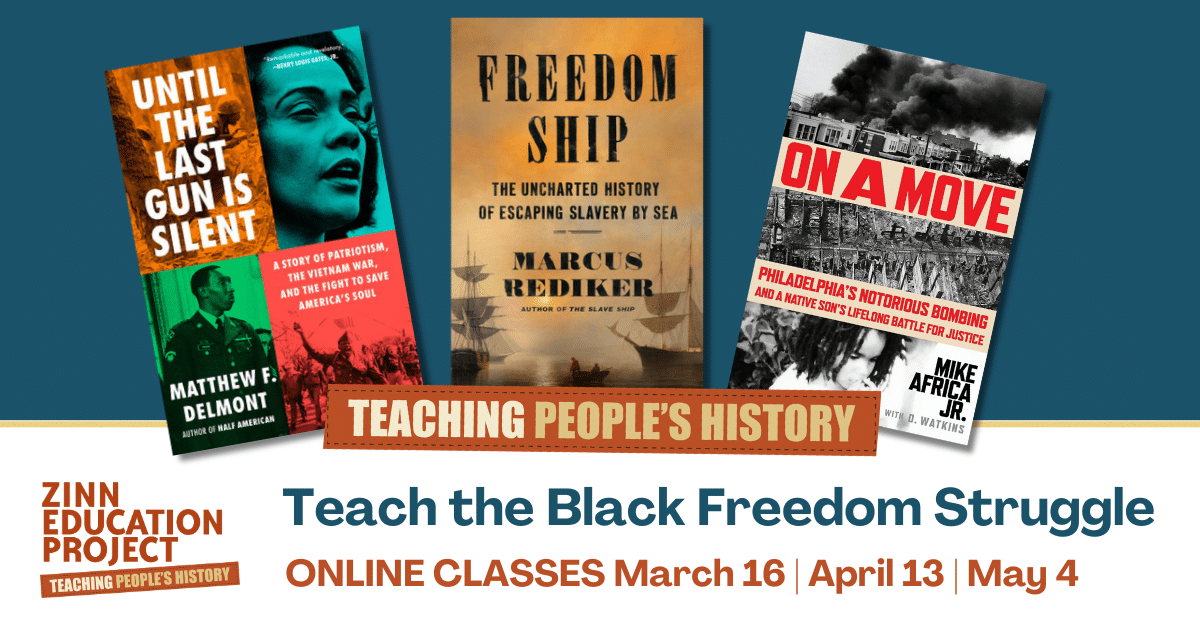
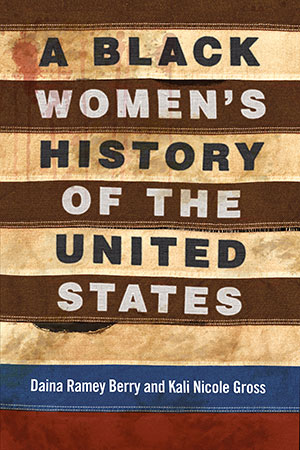
Listen to our Teach the Black Freedom Struggle class with Daina Ramey Berry and Kali Nicole Gross, authors of A Black Women’s History of the United States.
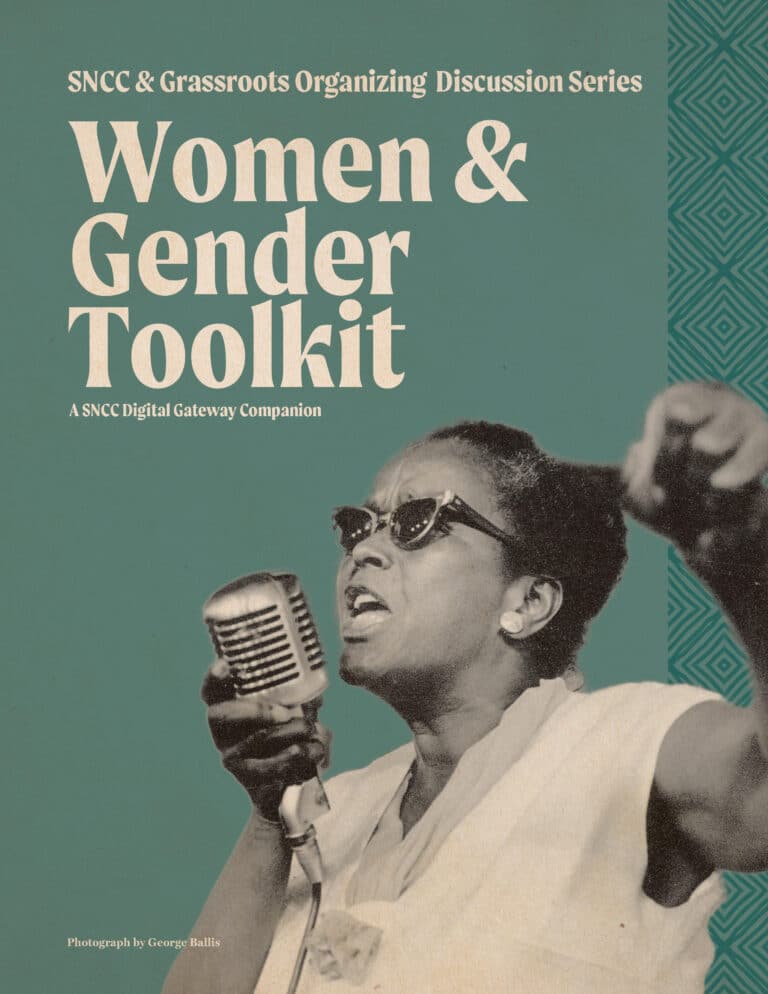
Women & Gender Toolkit
As people look for strategies to challenge fascism today, we can learn from the work of the youth-led Student Nonviolent Coordinating Committee (SNCC) in the 1960s.
The SNCC Legacy Project offers six free toolkits, including one on women & gender. Each toolkit includes primary documents, narrative history, photos, and discussion questions.
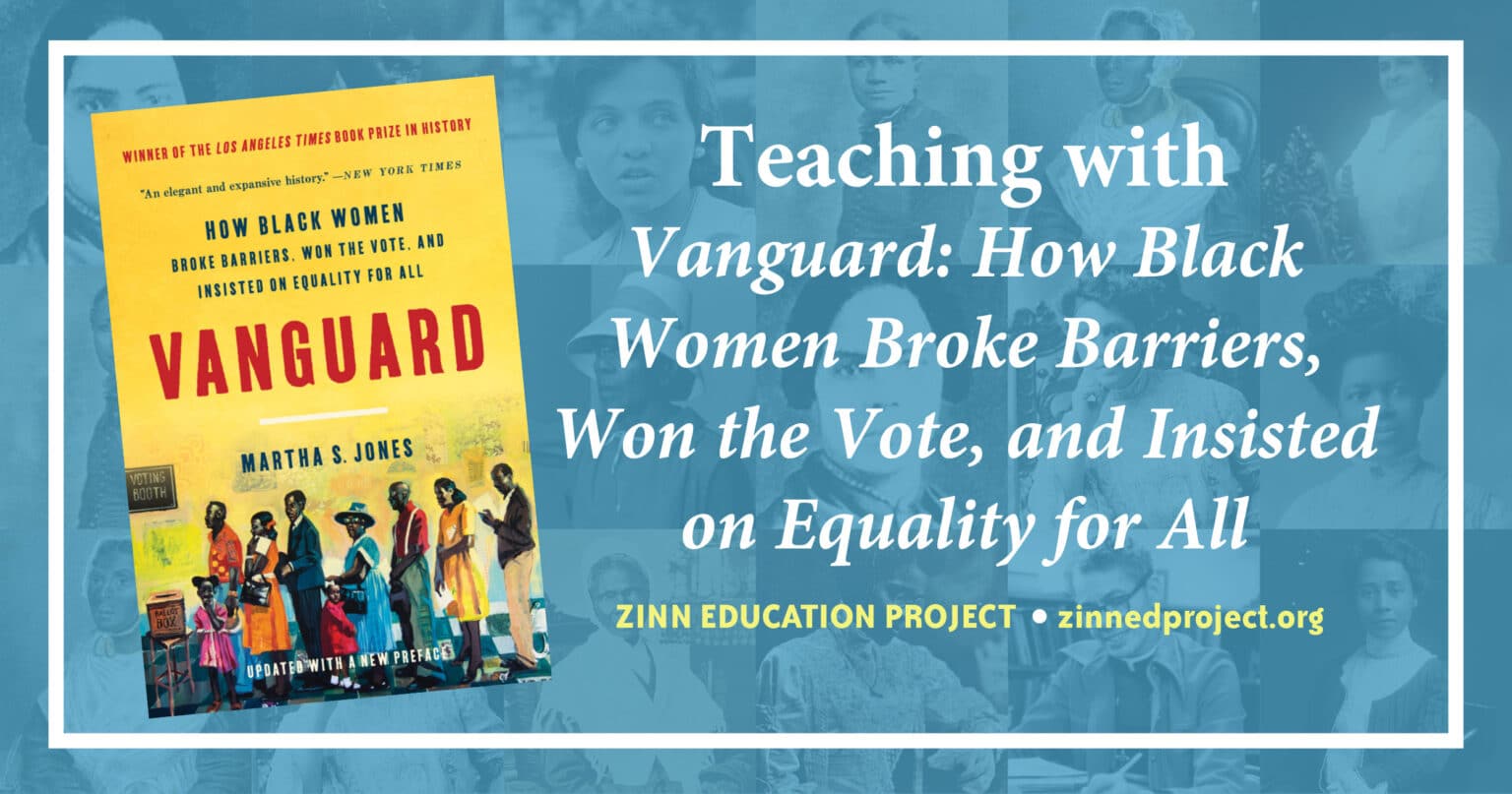
In this lesson by Ursula Wolfe-Rocca, students read excerpts from Jones’ book to learn about these and other women, and analyze Jones’ provocative title: In what sense were these women a “vanguard” and why?
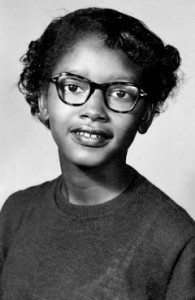
March 2, 1955 Claudette Colvin, a 15-year-old inspired by her Black History Month school lessons, refused to give up her seat to a white woman while riding the bus in Montgomery, Alabama.
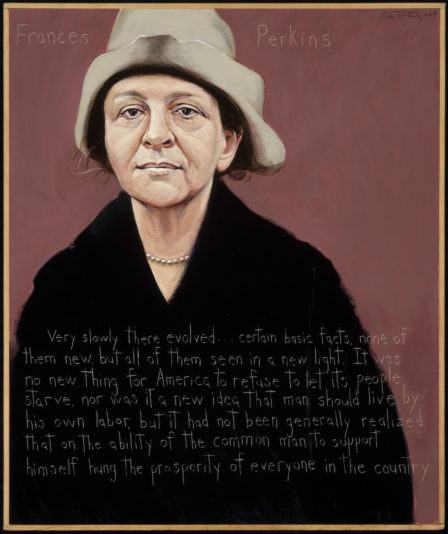
March 4, 1933 Frances Perkins was the first woman to hold a cabinet position in the United States. She became Secretary of Labor in 1933 and served through the Great Depression and WWII.
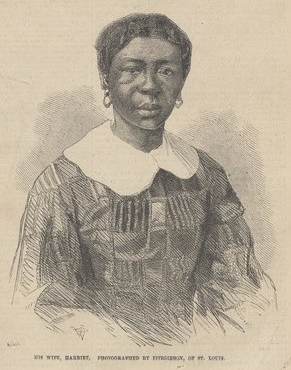
March 6, 1857 The U.S. Supreme Court delivered the infamous Dred Scott v. Sandford decision. Harriet Scott, Dred’s wife, filed her own petition for freedom at the same time as her husband.
March 8, 1975 The United Nations observed March 8, 1975, as the first official International Women’s Day as a celebration of women’s achievements, as well as a time to reflect on the exploitation and discrimination women experience.
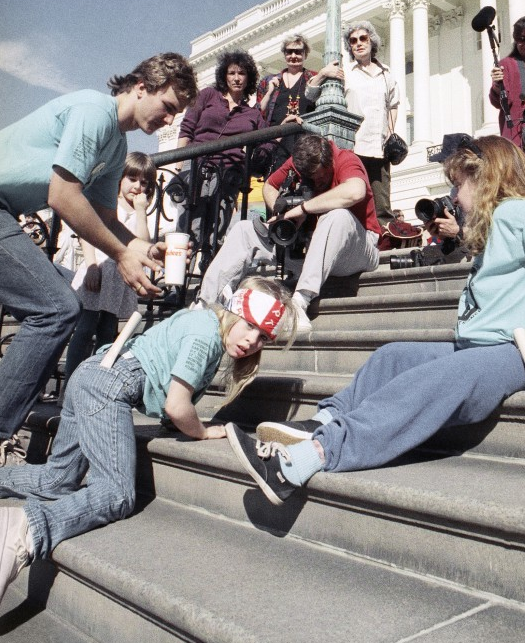
March 12, 1990 Disability rights activists made the “Capitol Crawl,” and Jennifer Keelan, a young girl, became the face of their protest to organize for the Americans with Disabilities Act in 1990.
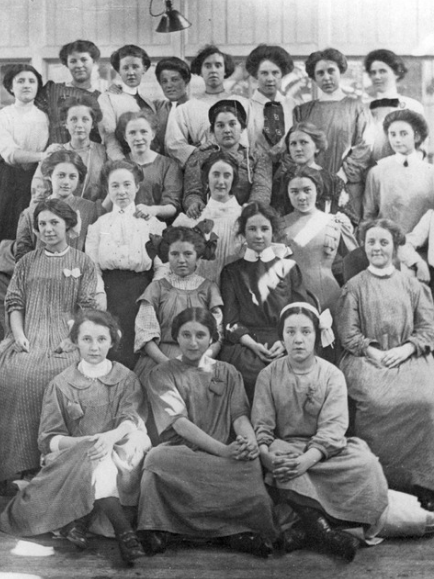
March 12, 1912 Textile workers, many of them women, claimed victory at the end of the massive Bread and Roses strike in Lawrence, Massachusetts, when they pressured factories to meet their demands.
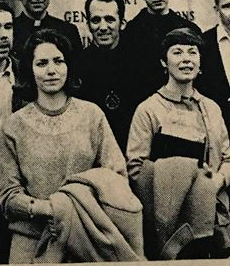
March 22, 1969 Sister Joann Malone and Catherine Melville were members of a group of Catholic anti-war activists arrested for destruction of a Dow Chemical office in D.C. to protest Dow’s production of napalm and nerve gas.
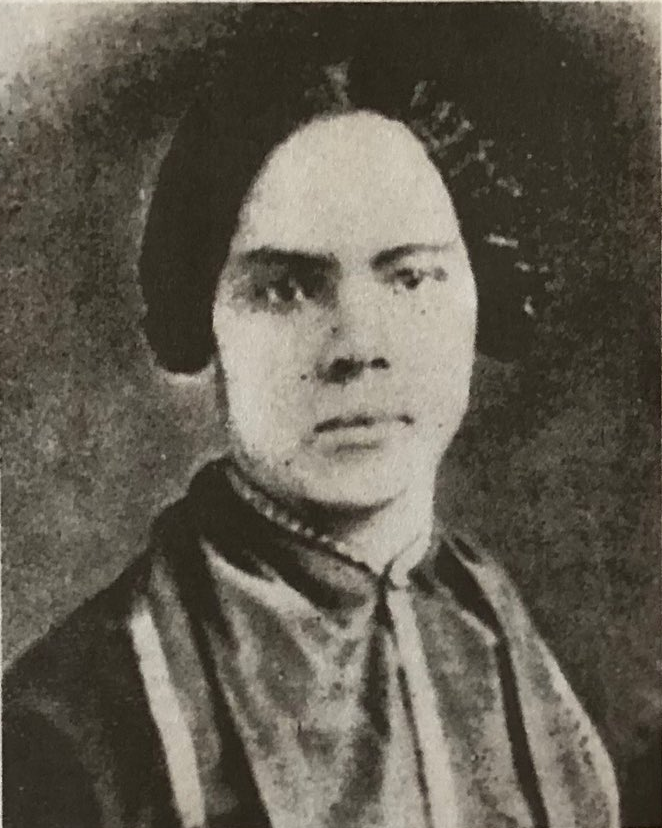
March 24, 1853 Mary Ann Shadd Cary, abolitionist and suffragist, published the first edition of The Provincial Freeman, Canada's first anti-slavery paper, making her the first Black woman in North America to edit and publish a newspaper.
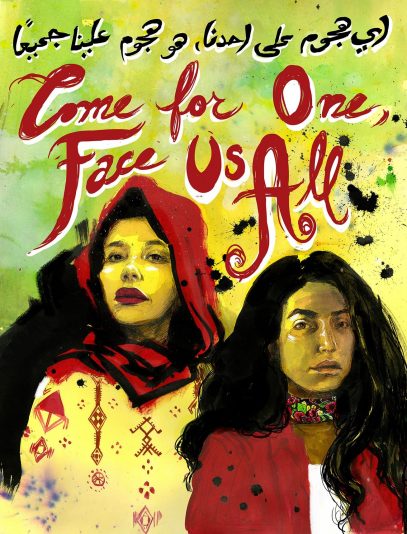
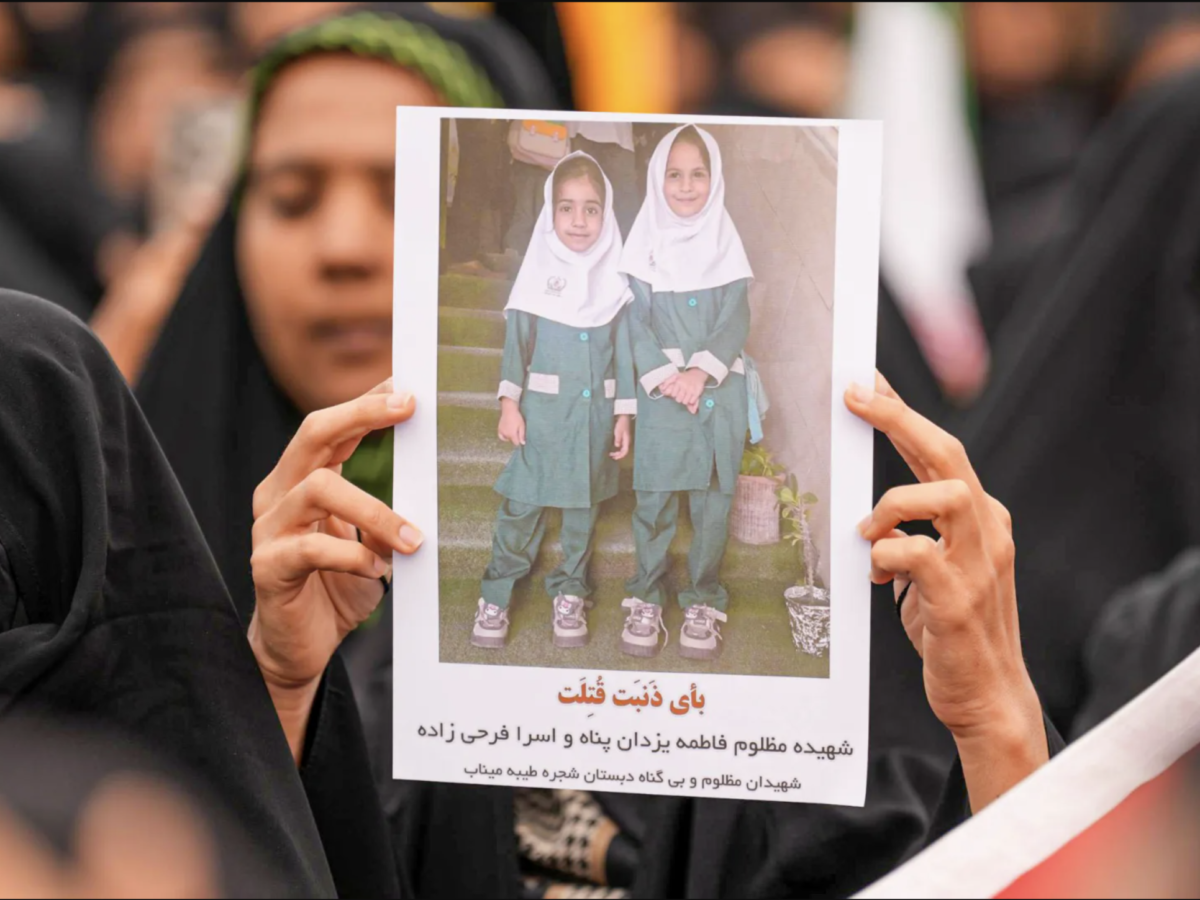
Our hearts go out to the schoolchildren, teachers, families, and all those whose lives are being torn apart by the illegal and immoral war launched by the United States and Israel against the people of Iran.
To help young people understand this history in context, teach about the 1953 U.S.- and Britain-orchestrated coup d’etatthat toppled Iran’s democratically elected government. The Shah then took power and signed over 40 percent of Iran’s oil fields to U.S. companies.
History teaches that the U.S. government cares nothing about democracy and human rights in the Middle East.
Events
Add these events, hosted by the Zinn Education Project and our colleagues, to your calendar. Online unless noted otherwise.
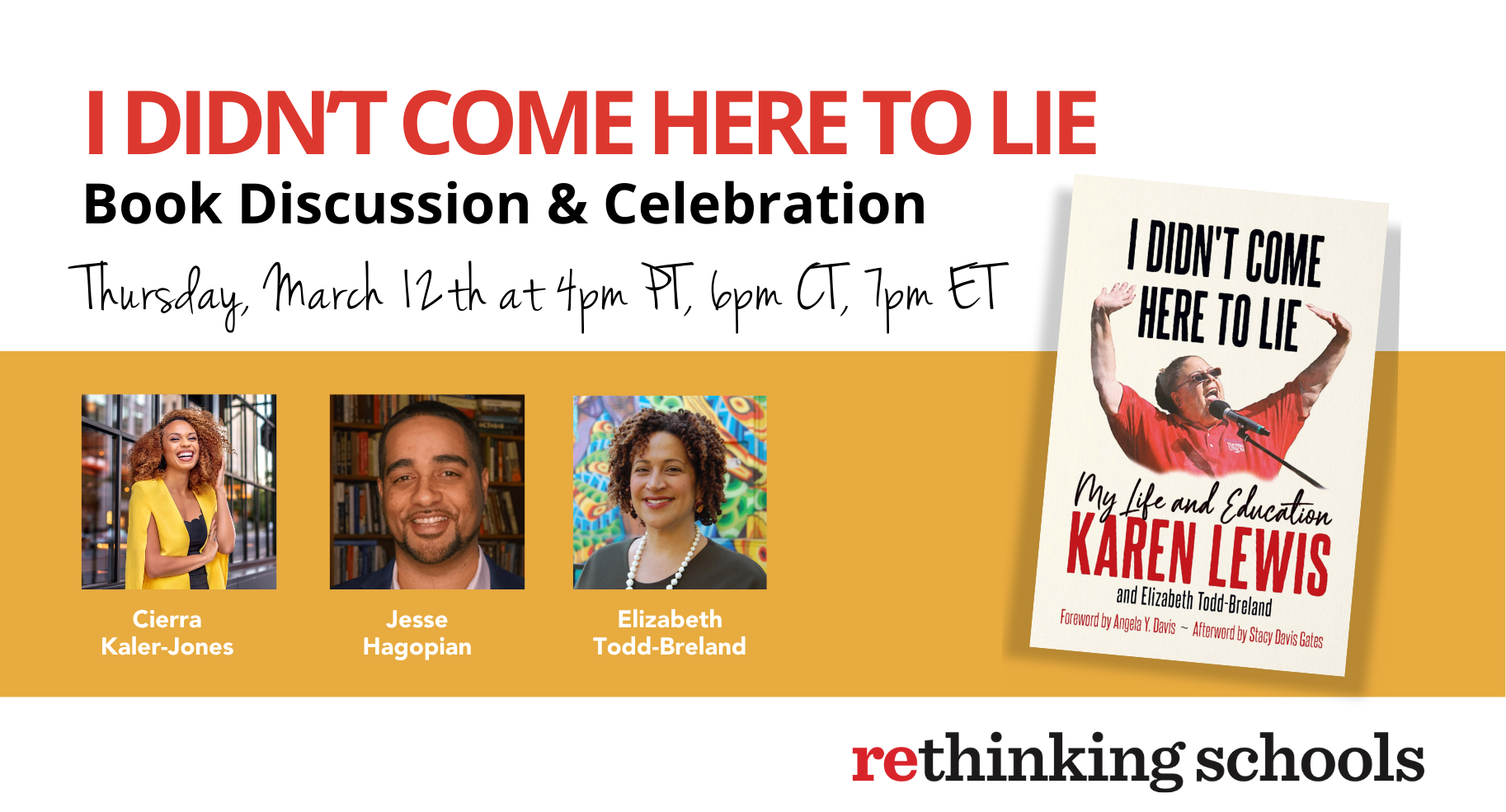
Join Rethinking Schools on March 12 at 7pm ET for a discussion and celebration of I Didn’t Come Here to Lie: My Life and Education, the memoir of Karen Lewis, the brilliant former president of the Chicago Teachers Union. The webinar will feature Rethinking Schools’ executive director Cierra Kaler-Jones and editor Jesse Hagopian in conversation with historian Elizabeth Todd-Breland. The conversation will also explore the power of teacher unions in fighting fascism.
The annualNative Knowledge 360° Teach-In, hosted by the Smithsonian’s National Museum of the American Indian in collaboration with Teaching for Change on March 14, is an online opportunity for educators to access classroom resources from NMAI’s Native Knowledge 360° education portal, the Zinn Education Project, and more.
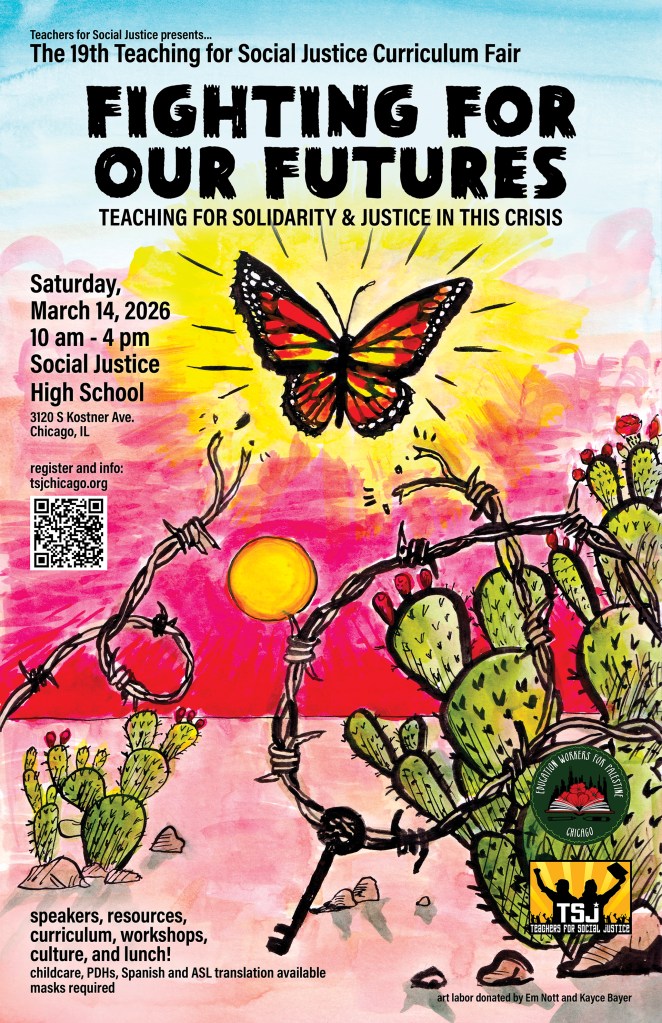
The curriculum fair is a day-long popular education and organizing space with teachers’ social justice curriculum exhibits, workshops, resources, and books. The keynote speaker is Dima Khalidi, founder and director of Palestine Legal, an organization dedicated to protecting the constitutional and civil rights of people who speak out for Palestinian freedom. Lunch and childcare are provided.
Join us this summer for a virtual Teaching for Black Lives study group. Each participant will receive a Teaching for Black Lives book and a one-year subscription to Rethinking Schools magazine.
Pre-K–12 educators will explore how to teach about racism, resistance, and joy. We will meet at 4 pm PT/ 7 pm ET on Tuesdays: June 23, June 30, July 14, and July 21.
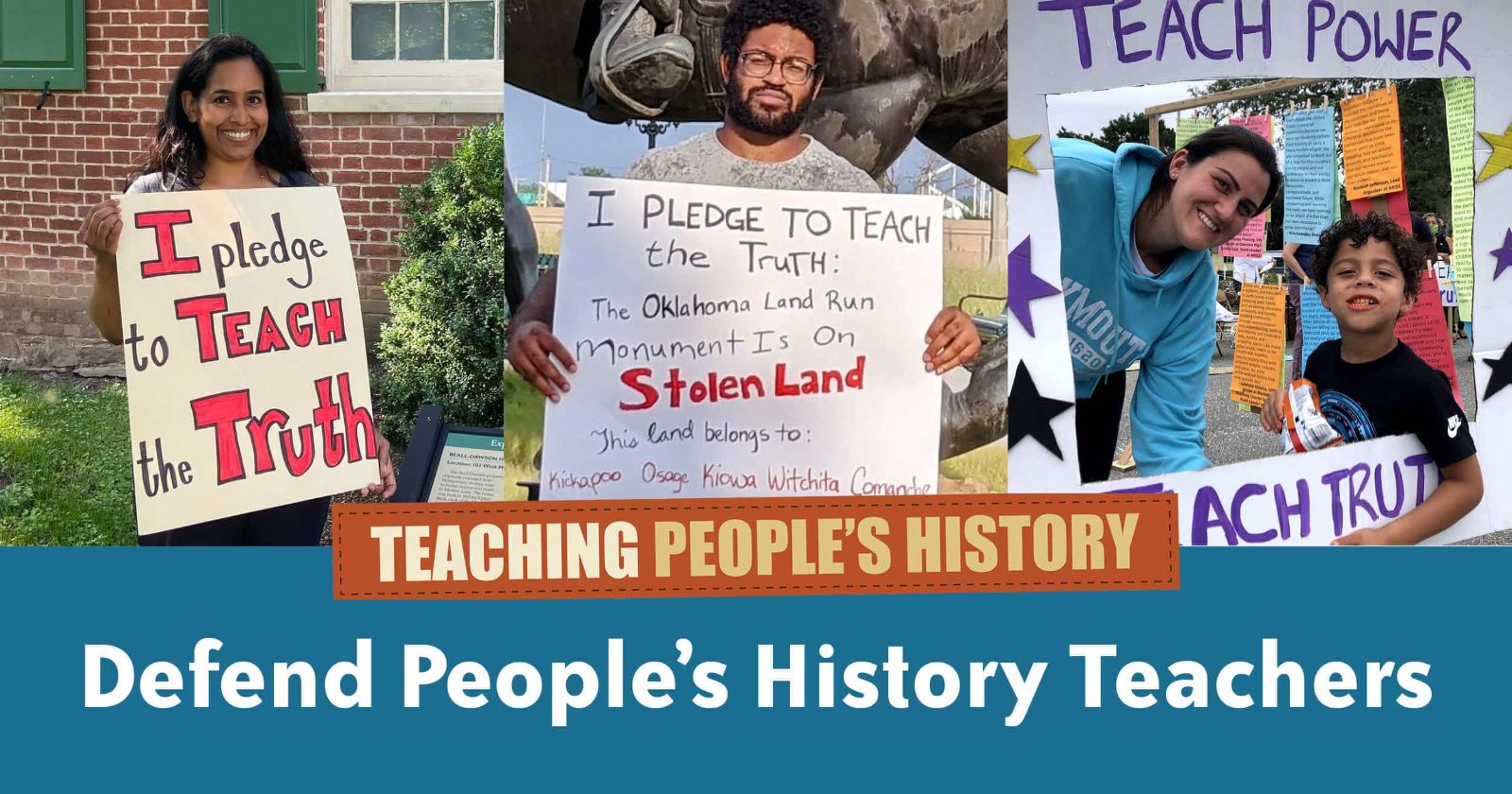
Teachers are under attack for teaching truthfully about U.S. history. Please donate so we can continue to offer free people’s history lessons and resources, and defend teachers’ right to use them.





(1).png)