Lessons and stories on the Irish famine, MOVE, rural education, and the American Revolution.
If you're having trouble viewing this email, you cansee it online.
Coordinated by Rethinking Schools and Teaching for Change.
Hidden histories shape how we understand the present. This week we highlight resources on Ireland’s Great Famine and the story of the MOVE organization in Philadelphia — two histories that challenge the simplified narratives often underrepresented in textbooks.
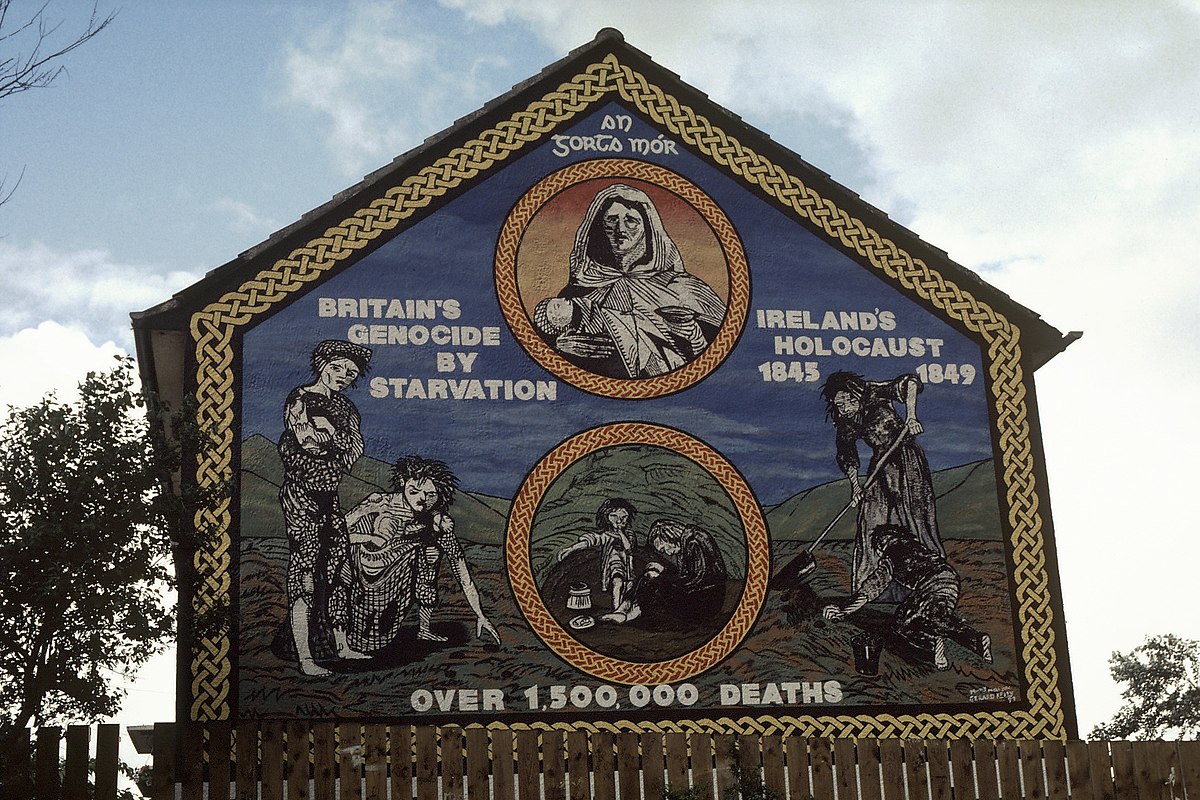
The Real Irish American Story Not Taught in Schools
“Wear green on St. Patrick’s Day or get pinched.” That pretty much sums up the Irish American “curriculum” that I learned when I was in school. Yes, I recall a nod to the so-called Potato Famine, but it was mentioned only in passing.
Sadly, today’s high school textbooks continue to largely ignore the famine, despite the fact that it was responsible for unimaginable suffering and the deaths of more than a million Irish peasants, and that it triggered the greatest wave of Irish immigration in U.S. history.
Throughout the Irish famine, there was an abundance of food produced in Ireland, yet the landlords exported it to markets abroad.
The capitalist market ruled, and profit trumped need.
The school curriculum could and should ask students to reflect on the contradiction of starvation amidst plenty, on the ethics of food exports amidst famine. And it should ask why these patterns persist into our own time.
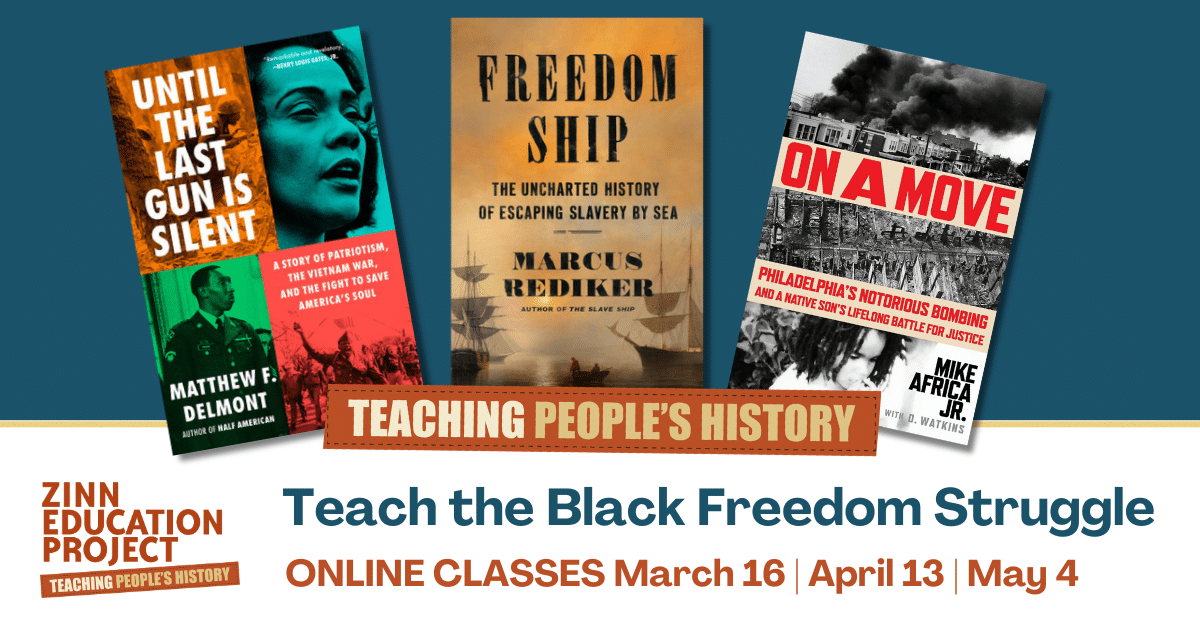
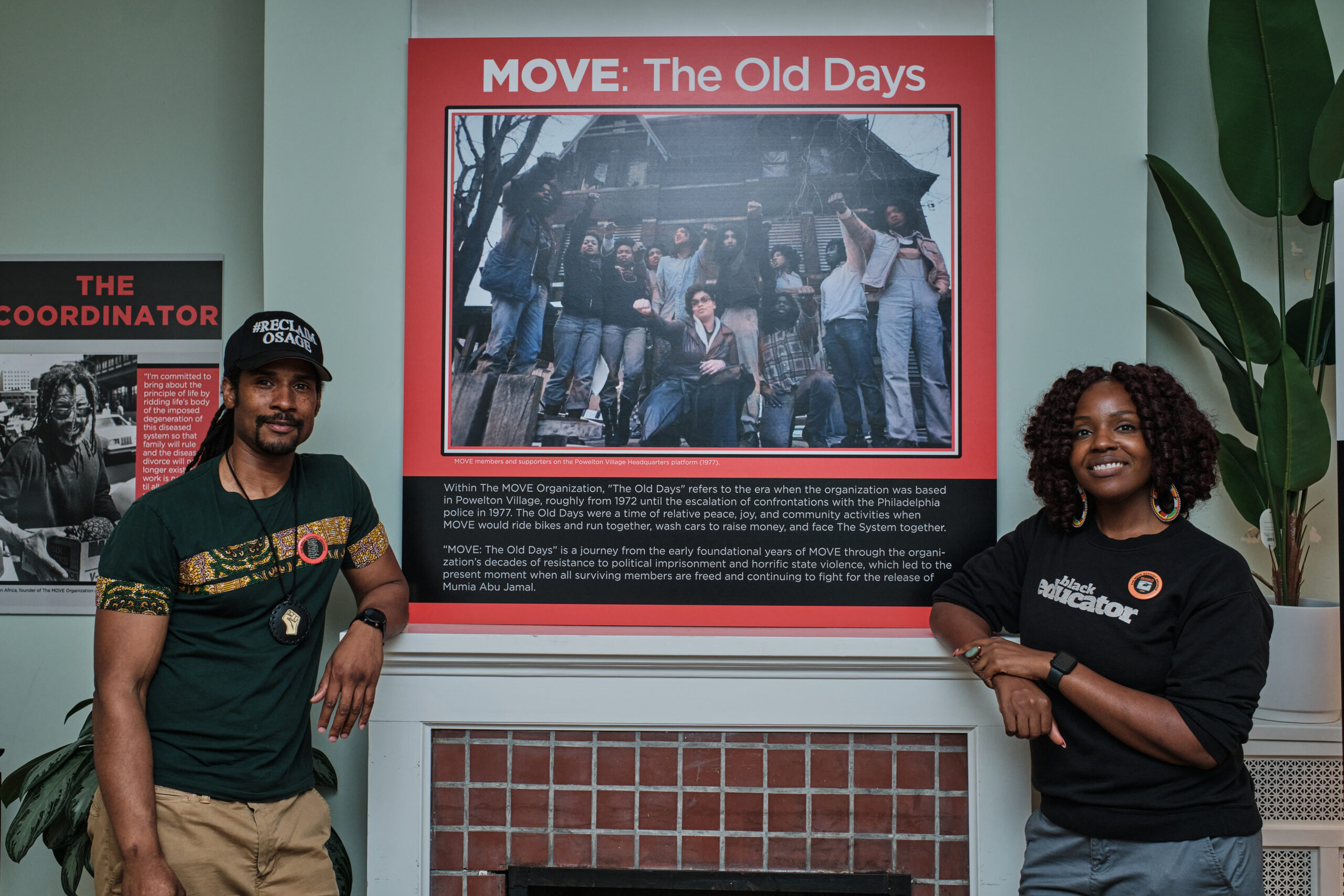
On Monday, March 16 at 7pm ET, join activist Mike Africa Jr. and scholar Krystal Strong with Rethinking Schools editor Jesse Hagopian to discuss the story of the MOVE organization, repairing histories of state violence, and the “On a MOVE” curriculum project in Philadelphia.
On May 13, 1985, the Philadelphia Police Department — with the help of the U.S. federal government — dropped a military-grade bomb on the home of The MOVE Organization, a collective of Black naturalist revolutionaries. Eleven children and adults of MOVE were murdered and the homes of 61 working-class Black families were destroyed.
Explore how the government’s willingness to bomb schoolchildren, whether in Iran today or in the Philadelphia neighborhood of MOVE decades ago, reveals patterns of state violence. Learn about the history of the MOVE bombing and a local history curriculum project.
This class is part of the Teach the Black Freedom Struggleonline series hosted by the Zinn Education Project. Professional development certificates and ASL interpretation are provided.
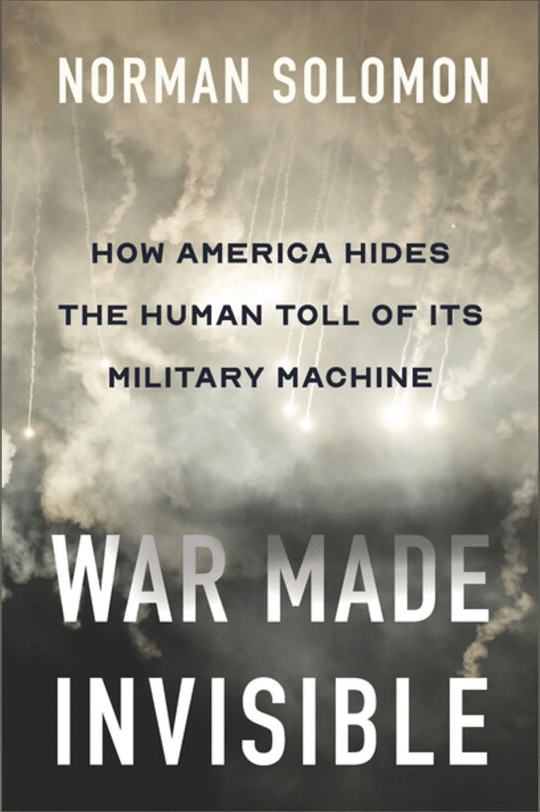
This administration treats the U.S.-Israeli war against Iran like a video game, with no regard for the lives of people in the Middle East nor U.S. soldiers and their families. The corporate media parrots the government propaganda. To counter this disinformation, we recommend War Made Invisible: How America Hides the Human Toll of Its Military Machine by Norman Solomon.
A Rethinking Schools editorial notes:
War Made Invisible opens with an epigraph from Aldous Huxley, written in 1936: “The propagandist’s purpose is to make one set of people forget that certain other sets of people are human.”
In contrast, our job as educators is to equip students with the skills to recognize, critique, and actively oppose the propaganda of militarism, colonialism, and white supremacy.
This kind of education will look different in kindergarten from how it does in middle school humanities or high school chemistry, but this work belongs to all of us.
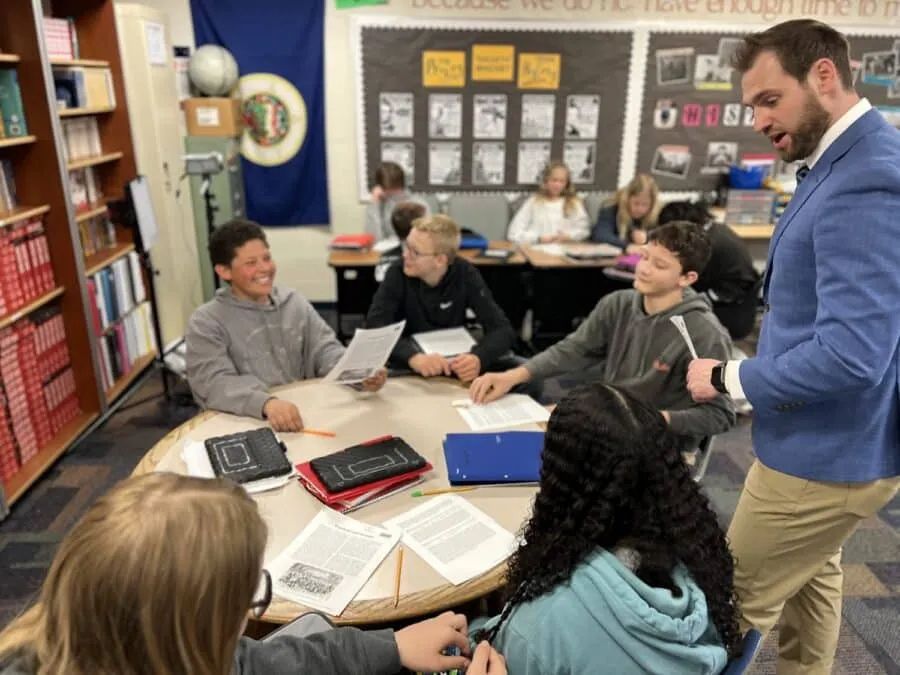
Our colleague greg wickenkamp writes inBarn Raiserabout rural educators who, despite censorship campaigns and laws, “take pains to present history in all its complexity, encouraging students to develop their own informed stances through critical thinking.”
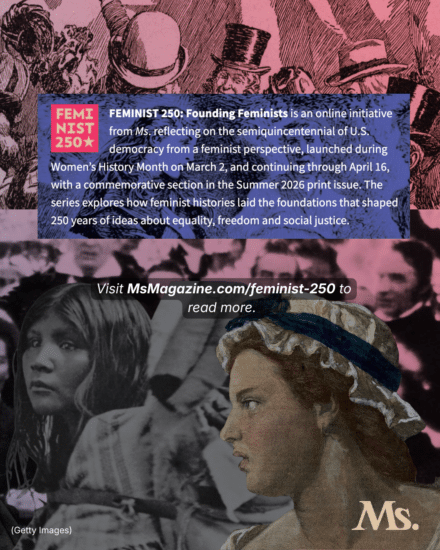
There are new resources from our collaborators on the American Revolution, including Ms. Magazine: Feminist 250 (guest-edited by Janell Hobson) and Kinfolk Ourchives: A People’s History of America’s 250th.
Find links to these along with our free lessons, questions for reflection, and K–12 books and films at Teaching the American Revolution.
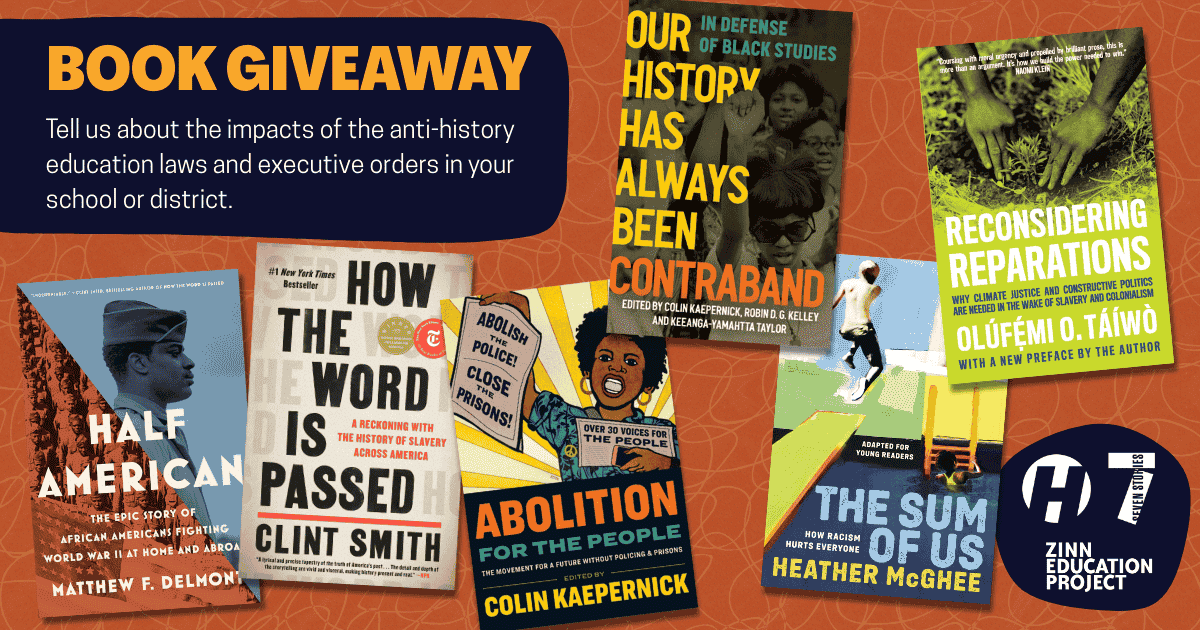
Please share stories about the impact of anti-history education laws, executive orders, the chilling effect in your school or school district, and whether or how educators and communities are resisting this censorship. This will help the wider public understand how education is being censored and how some school districts are responding by defending the freedom to learn. We will send you a book in appreciation.
Add these events, hosted by the Zinn Education Project and our colleagues, to your calendar. Online unless noted otherwise.
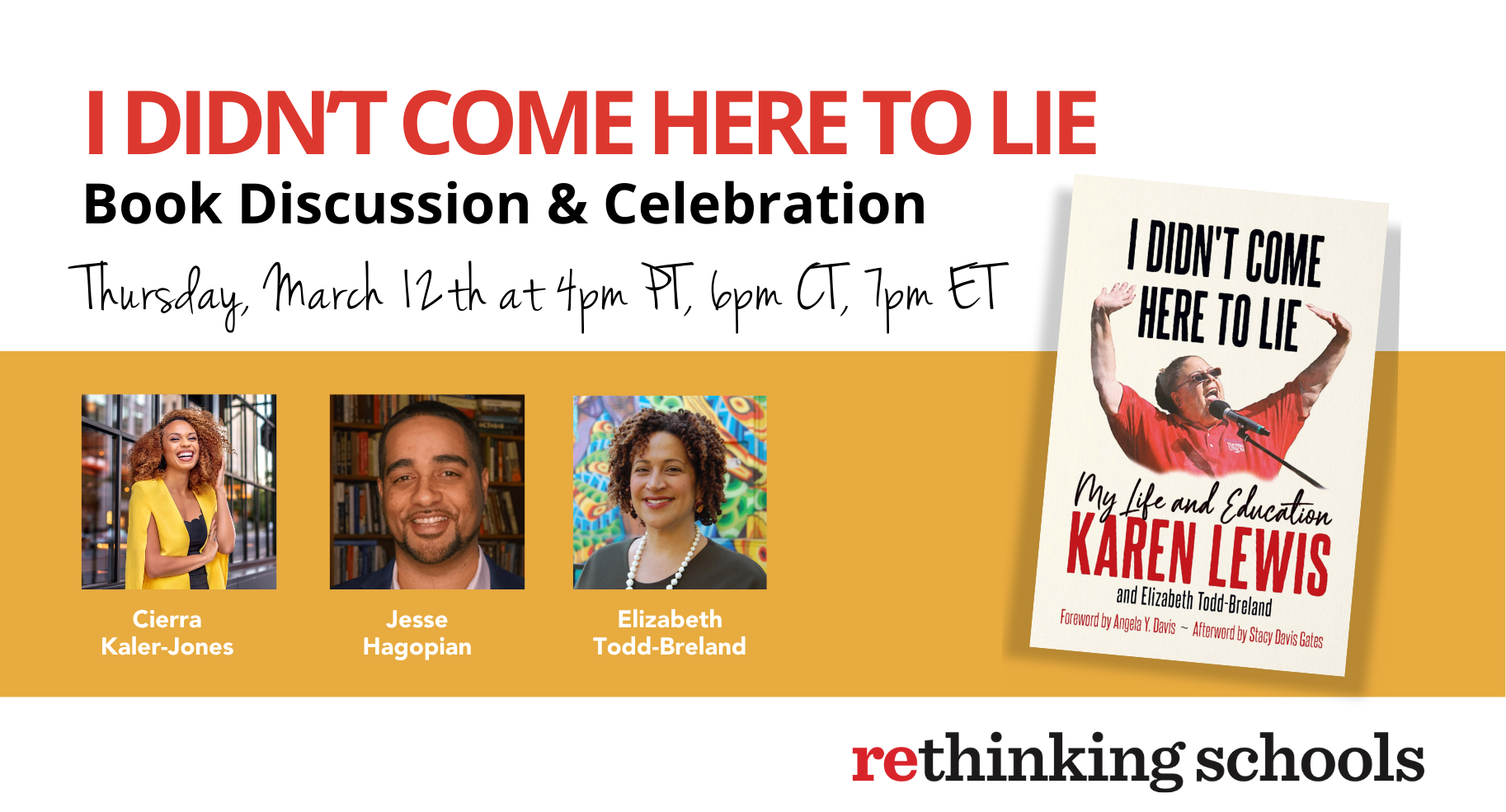
Join Rethinking Schools on March 12 at 7pm ET for a discussion and celebration of I Didn’t Come Here to Lie: My Life and Education, the memoir of Karen Lewis, the brilliant former president of the Chicago Teachers Union. The webinar will feature Rethinking Schools’ executive director Cierra Kaler-Jones and editor Jesse Hagopian in conversation with historian Elizabeth Todd-Breland. The conversation will also explore the power of teacher unions in fighting fascism.
The annualNative Knowledge 360° Teach-In, hosted by the Smithsonian’s National Museum of the American Indian in collaboration with Teaching for Change on Saturday, March 14, is an online opportunity for educators to access classroom resources from NMAI’s Native Knowledge 360° education portal, the Zinn Education Project, and more.
The workshop selection includes:
Native Women Leading the Way: From Revolution to the Future
Necessity: Oil, Water, and Climate Resistance
Teaching Indigenous Central America
Beyond Loyalists and Patriots: Black and Native Americans Fight for Their Freedom in the U.S. War of Independence
Identifying Indigenous Narratives in Children’s Books
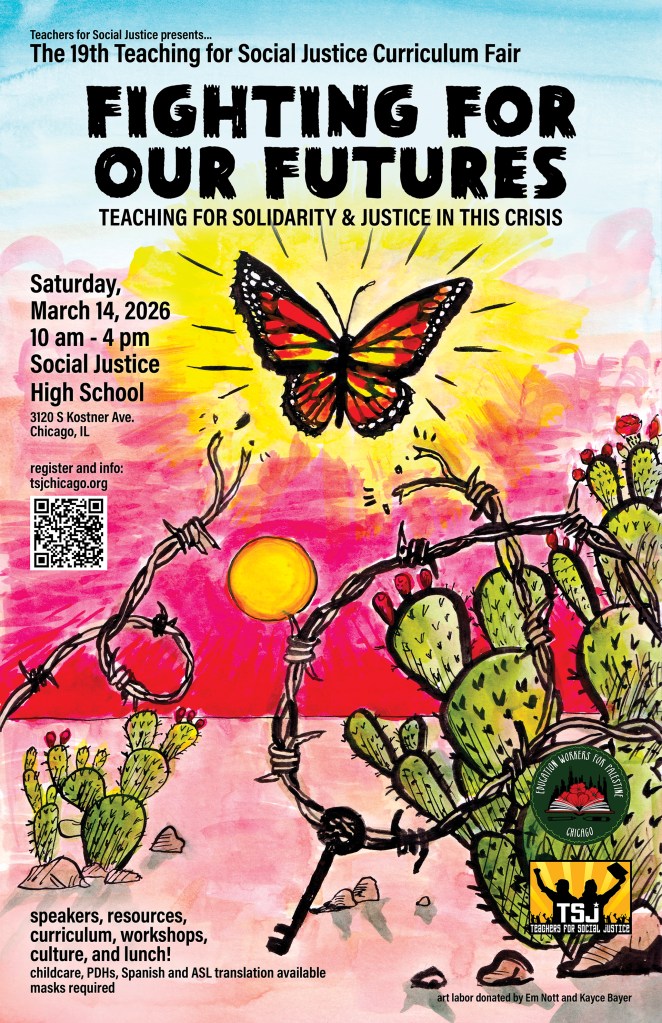
The curriculum fair is a day-long popular education and organizing space with teachers’ social justice curriculum exhibits, workshops, resources, and books. Rethinking Schools will table with books and magazines.
The keynote speaker is Dima Khalidi, founder and director of Palestine Legal. Lunch and childcare are provided.
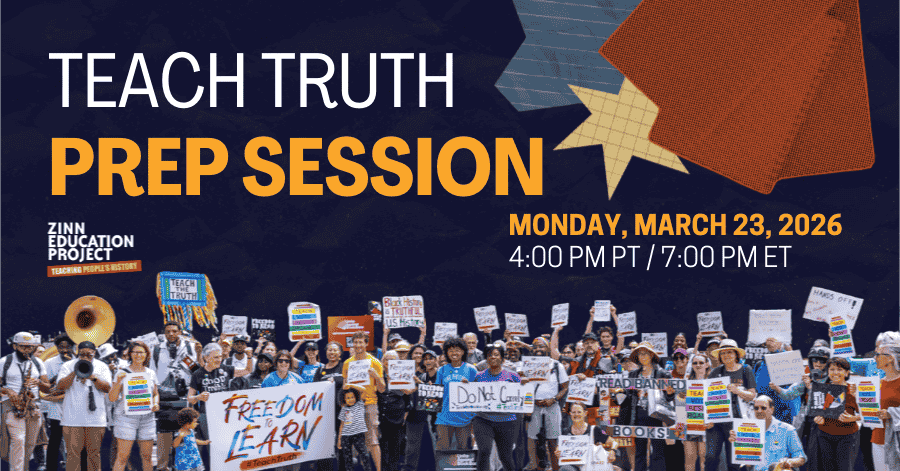
Join us for an online Teach Truth Prep Session on Monday, March 23.
We will hear from people who have hosted successful Teach Truth actions in the past and share strategies and messaging for this year, with a focus on the 250th anniversary of the Declaration ofIndependence. Attendees will gain ideas and resources to defend the freedom to learn.
Friends in the Washington, D.C. area, don′t miss the people′s history trivia night on Wednesday, March 25. A fun-filled and educational evening, with prizes for all. The event is hosted by Teaching for Change and Busboys and Poets as part of the Beyond Heroes and Holidays series. RSVP.
Join our monthly Zinn Education Project Teach the Black Freedom Struggle series to learn directly from leading historians and to meet peers from across the country.
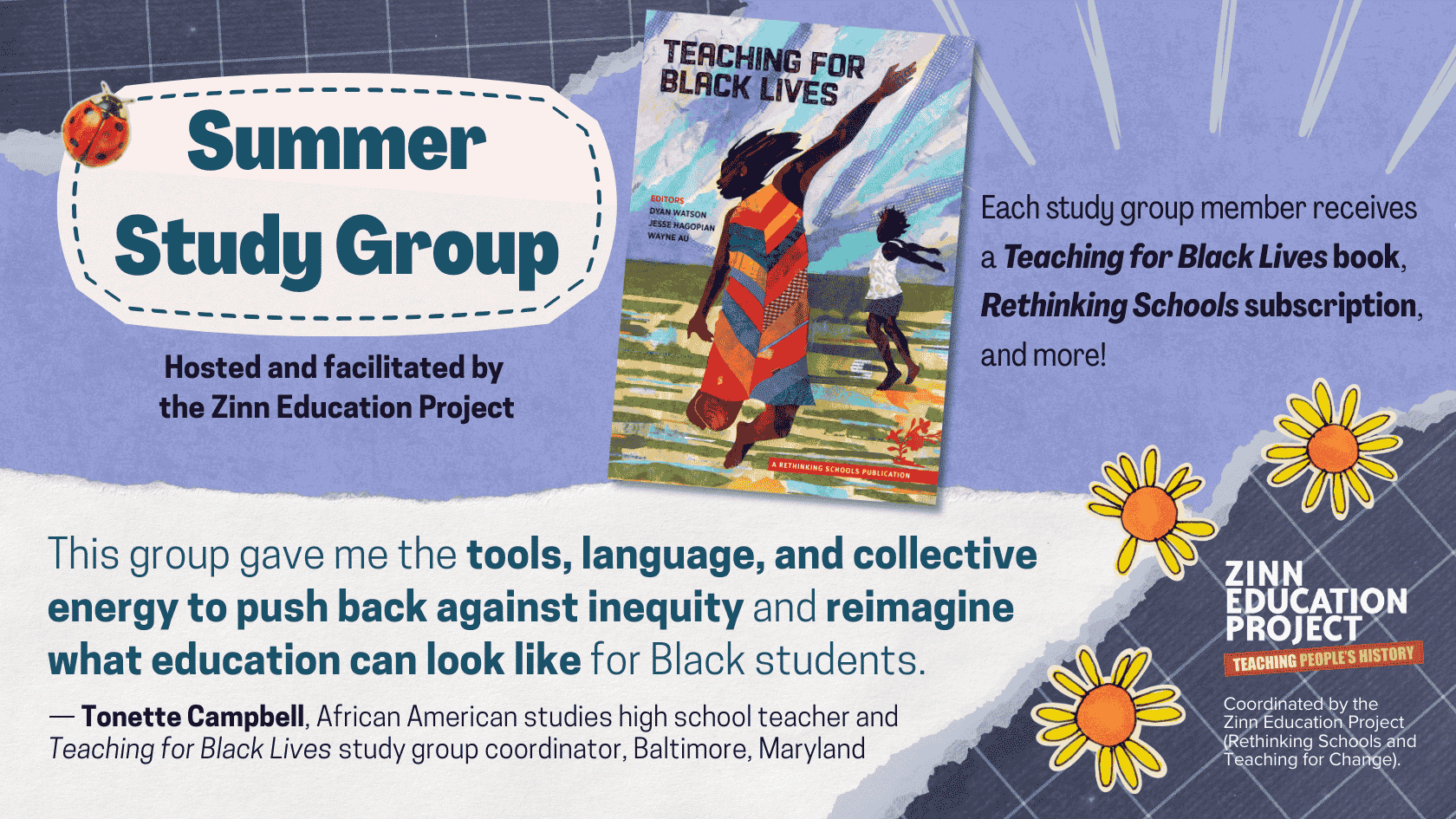
Join us this summer for a virtual Teaching for Black Lives study group. Each participant receives a Teaching for Black Lives book and a one-year subscription to Rethinking Schools magazine.
Pre-K–12 educators will explore how to teach about racism, resistance, and joy. We will meet at 4 pm PT/ 7 pm ET on Tuesdays: June 23, June 30, July 14, and July 21.
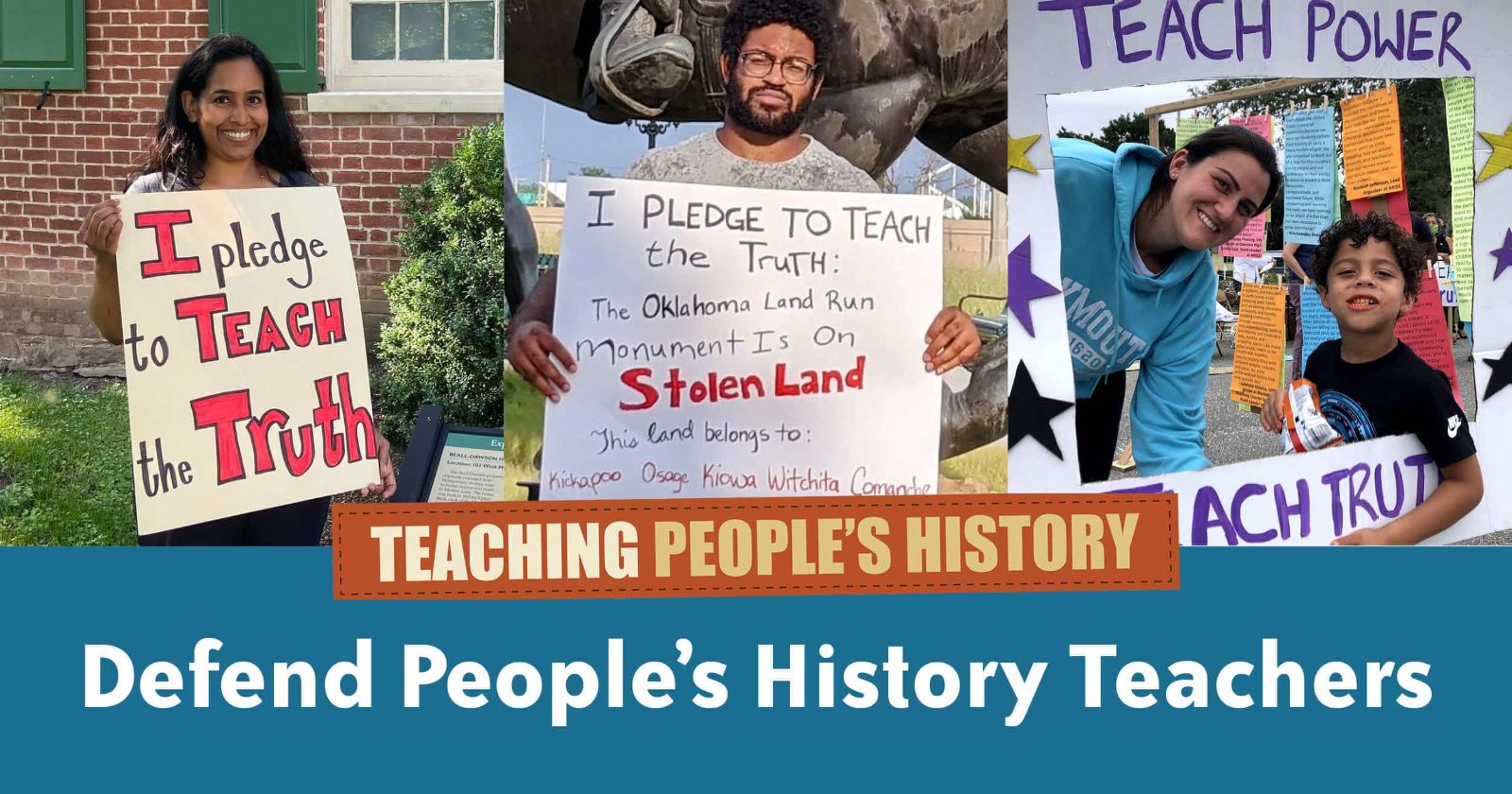
Teachers are under attack for teaching truthfully about U.S. history. Please donate so we can continue to offer free people’s history lessons and resources, and defend teachers’ right to use them.



(1).png)